1. Specifications Comparison
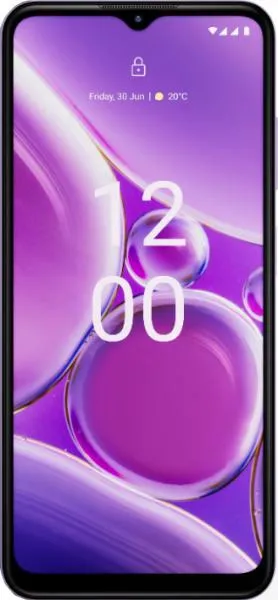
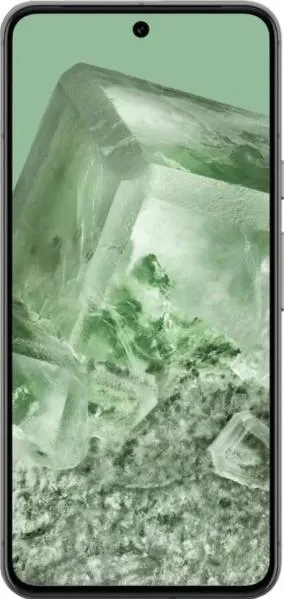
| Feature | Nokia G42 | Google Pixel 8 | Practical Impact |
|---|---|---|---|
| Design | |||
| Dimensions (mm) | 165 x 75.8 x 8.6 | 150.5 x 70.8 x 8.9 | Pixel 8 is noticeably smaller and more pocketable. |
| Weight (g) | 193.8 | 187 | Pixel 8 is slightly lighter, enhancing one-handed use. |
| Build Material | Missing | Missing | Cannot compare build quality and durability. |
| Display | |||
| Display Type | IPS LCD | OLED | Pixel 8's OLED offers deeper blacks, higher contrast, and potentially better power efficiency. |
| Display Size (inches) | 6.56 | 6.2 | G42 offers a larger screen for media consumption; Pixel 8 prioritizes portability. |
| Resolution | 720 x 1612 | 1080 x 2400 | Pixel 8 has a significantly sharper display with higher pixel density (428 vs 269 ppi), resulting in crisper text and images. |
| Refresh Rate (Hz) | 90 | 120 | Pixel 8 offers smoother scrolling and animations due to its higher refresh rate. |
| Peak Brightness (nits) | 560 (peak) | 2000 (peak) | Pixel 8's much higher peak brightness ensures better visibility in direct sunlight. |
| Performance | |||
| Chipset | Snapdragon 480+ 5G | Google Tensor G3 | Tensor G3 offers significantly higher performance in demanding tasks and gaming. |
| CPU | Octa-core (2x2.2 GHz Kryo 460 & 6x1.8 GHz Kryo 460) | Nona-core (1x3.0 GHz Cortex-X3 & 4x2.45 GHz Cortex-A715 & 4x2.15 GHz Cortex-A510) | Pixel 8's more powerful CPU architecture and higher clock speeds result in a more responsive user experience. |
| RAM | 4GB/6GB/8GB | 8GB | More RAM in Pixel 8 enables better multitasking and smoother performance with multiple apps. |
| OS | Android 13 | Android 14 | Pixel 8 comes with the latest Android version and will receive longer software updates, ensuring security and new features. |
| Camera | |||
| Main Camera (MP) | 50 | 50 | Megapixel count alone doesn't determine image quality. Pixel's computational photography likely outperforms G42. |
| Video Recording | 1080p@30fps | Up to 4K@60fps with HDR, OIS, EIS | Pixel 8 offers superior video recording capabilities with higher resolution, frame rates, and stabilization. |
| Battery | |||
| Capacity (mAh) | 5000 | 4575 | G42 has a larger battery capacity, potentially offering longer battery life. However, real-world usage depends on various factors. |
2. Key Differences Analysis
Nokia G42 Advantages:
- Larger Battery: Potentially longer battery life.
- Larger Display: More immersive media consumption.
- Lower Price: More budget-friendly option (based on "medium price" designation, specific prices weren't compared due to fluctuation).
Google Pixel 8 Advantages:
- Significantly Higher Performance: Smoother multitasking, better gaming, faster app loading.
- Superior Display: Sharper, brighter, and more vibrant with higher refresh rate.
- Advanced Camera Features: Expected to deliver better image quality, especially in low light, and superior video recording.
- Longer Software Support: Guaranteed updates for a longer period, ensuring security and new features.
- More Premium Feel: Smaller, lighter, more pocketable design.
3. User Profiles & Recommendations
Nokia G42: Ideal for budget-conscious users who prioritize basic smartphone functionality, long battery life, and a large screen for media consumption. Suitable for casual users who primarily use their phones for calling, texting, browsing, and light gaming.
Google Pixel 8: Ideal for users who demand high performance, a premium user experience, the latest software features, and a top-tier camera. Suitable for power users, gamers, photographers, and those who value software updates and a refined user experience.
4. Decision Framework
Key Questions for Buyers:
- What is your budget? The G42 is likely more affordable.
- What are your primary smartphone needs? Basic tasks vs. demanding applications and gaming.
- How important are camera quality and software updates? Pixel 8 excels in these areas.
Scenario-Based Recommendations:
- Limited Budget, Basic Needs: Nokia G42
- Prioritize Performance and Camera: Google Pixel 8
- Value Long-Term Software Support: Google Pixel 8
My Choice: Google Pixel 8
While the Nokia G42 offers a larger battery and display, the Pixel 8's superior performance, significantly better display, advanced camera features, and guaranteed long-term software updates make it the clear winner for me. I prioritize a smooth and responsive user experience, a high-quality camera, and the assurance of timely software updates. The Pixel 8's smaller and lighter form factor is also more appealing to me. While battery life is important, the performance and feature gap is too significant to overlook. The slightly higher price of the Pixel 8 is justified by the significant advantages it offers in terms of overall user experience and long-term value.
