1. Specifications Comparison
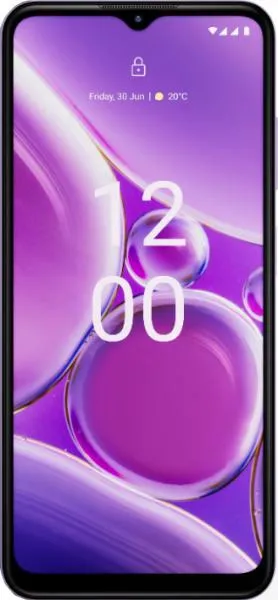
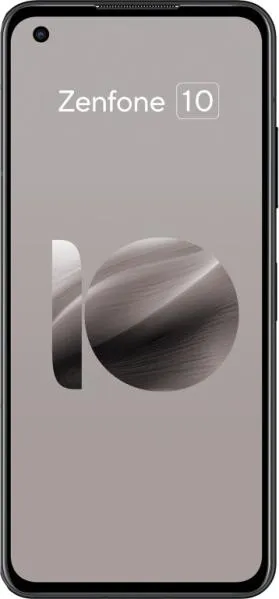
| Feature | Nokia G42 | Asus Zenfone 10 | Practical Impact |
|---|---|---|---|
| Design | |||
| Dimensions (mm) | 165 x 75.8 x 8.6 | 146.5 x 68.1 x 9.4 | Zenfone 10 is significantly smaller and more pocketable. |
| Weight (g) | 193.8 | 172 | Zenfone 10 is noticeably lighter for more comfortable one-handed use. |
| Display | |||
| Display Type | IPS LCD | Super AMOLED | AMOLED offers richer colors, deeper blacks, and better power efficiency in dark mode. |
| Display Size (inches) | 6.56 | 5.92 | G42 offers a larger screen for media consumption; Zenfone 10 is better for one-handed use. |
| Resolution | 720 x 1612 | 1080 x 2400 | Zenfone 10 has a much sharper and more detailed display. |
| Refresh Rate (Hz) | 90 | 144 | Zenfone 10 provides a smoother and more responsive user experience, especially in gaming and scrolling. |
| Peak Brightness (nits) | 560 | 1100 | Zenfone 10's display will be much more visible in direct sunlight. |
| Performance | |||
| Chipset | Snapdragon 480+ 5G | Snapdragon 8 Gen 2 | Zenfone 10 offers vastly superior processing power for demanding tasks and gaming. |
| CPU | Octa-core (2x2.2 GHz & 6x1.8 GHz) | Octa-core (1x3.2 GHz & ...) | Zenfone 10 will handle multitasking and complex applications much faster. |
| GPU | Adreno 619 | Adreno 740 | Zenfone 10 provides significantly better gaming and graphics performance. |
| RAM (GB) | 4/6/8 | 8/16 | More RAM in some Zenfone 10 configurations enables smoother multitasking. |
| Camera | |||
| Main Camera (MP) | 50 | 50 | While both have 50MP, the Zenfone 10 uses a superior Sony IMX766 sensor with larger pixel size and OIS for better low-light performance and sharper images. |
| Video Recording | 1080p@30fps | Up to 8K@24fps | Zenfone 10 offers significantly higher resolution video recording capabilities and gimbal stabilization for smoother footage. |
| Battery | |||
| Capacity (mAh) | 5000 | 4300 | G42 has a larger battery capacity, potentially offering longer battery life despite the less efficient display. Real-world usage will vary. |
2. Key Differences Analysis
Nokia G42 Advantages:
- Larger Display: Better for media consumption.
- Potentially Longer Battery Life: Larger battery, but real-world usage depends on many factors.
- Lower Price: More budget-friendly option.
Asus Zenfone 10 Advantages:
- Significantly More Powerful: Much faster processor, GPU, and more RAM for demanding tasks and gaming.
- Superior Display: AMOLED with higher resolution, refresh rate, and peak brightness for a better viewing experience.
- Higher Quality Camera: Better sensor, OIS, and significantly better video recording capabilities.
- More Compact and Lighter: Easier to handle and carry.
Trade-offs:
- Zenfone 10: Smaller battery capacity, significantly higher price.
- G42: Less powerful, lower quality display, basic camera features.
3. User Profiles & Recommendations
Nokia G42: Ideal for budget-conscious users who prioritize basic communication, web browsing, and casual media consumption. Good for users who want a large display and long battery life.
Asus Zenfone 10: Ideal for power users, mobile gamers, and photography enthusiasts who demand top-tier performance, a premium display, and advanced camera features. Good for users who value a compact and powerful device.
4. Decision Framework
Key Questions for Buyers:
- What is your budget? The G42 is a budget phone, while the Zenfone 10 is a premium mid-ranger.
- What are your primary smartphone usage patterns? Basic tasks vs. demanding games and multitasking.
- What features are most important to you? Battery life, display quality, camera performance, or overall performance?
Scenario-Based Recommendations:
- Limited Budget, Basic Usage: Nokia G42
- Demanding User, High Budget: Asus Zenfone 10
- Balanced Needs, Moderate Budget: Consider other options in the mid-range segment that might offer a better balance of features and price.
My Choice: Asus Zenfone 10
While the Nokia G42 offers a larger battery and lower price, the Asus Zenfone 10 is the superior device overall. The significantly faster performance, vastly improved display, and higher quality camera system make it a much more compelling option for my needs. I prioritize a smooth and responsive user experience, excellent camera capabilities, and a compact form factor. While the price is higher, the long-term value proposition of the Zenfone 10, with its powerful hardware and future-proof features, outweighs the price difference for me. The smaller battery is a minor trade-off considering the overall performance gains.
