1. Specifications Comparison
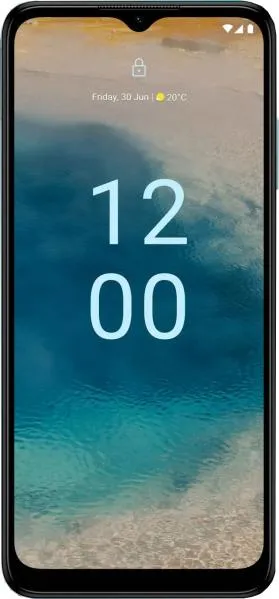
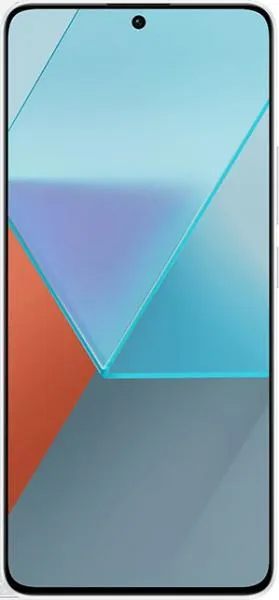
| Feature | Nokia G22 | Xiaomi Redmi Note 13 Pro | Practical Impact |
|---|---|---|---|
| Design | |||
| Dimensions (mm) | 165 x 76.2 x 8.5 | 161.2 x 74.2 x 8 | Redmi Note 13 Pro is slightly smaller and thinner. |
| Weight (g) | 196.2 | 187 | Redmi Note 13 Pro is noticeably lighter. |
| Build Material | Not specified | Not specified | Cannot compare build quality without material information. |
| Display | |||
| Display Type | IPS LCD | AMOLED | Redmi Note 13 Pro offers richer colors, deeper blacks, and better power efficiency. |
| Display Size (inches) | 6.5 | 6.67 | Redmi Note 13 Pro has a slightly larger screen. |
| Resolution (pixels) | 720 x 1600 | 1220 x 2712 | Redmi Note 13 Pro offers significantly sharper visuals. |
| Refresh Rate (Hz) | 90 | 120 | Redmi Note 13 Pro provides smoother scrolling and animations. |
| Peak Brightness (nits) | 500 (typ) | 1800 (peak) | Redmi Note 13 Pro is far more visible in direct sunlight. |
| Performance | |||
| Chipset | Unisoc T606 (12 nm) | Snapdragon 7s Gen 2 (4 nm) | Redmi Note 13 Pro offers significantly faster processing and better efficiency. |
| CPU | Octa-core (2x1.6 GHz A75 & 6x1.6 GHz A55) | Octa-core (4x2.4 GHz A78 & 4x1.95 GHz A55) | Redmi Note 13 Pro boasts higher clock speeds and more powerful cores, resulting in much better performance. |
| GPU | Mali-G57 MP1 | Adreno 710 | Redmi Note 13 Pro delivers substantially better graphics performance for gaming and demanding tasks. |
| RAM (GB) | 4 | 8/12/16 | Redmi Note 13 Pro provides more memory for multitasking and smoother operation. |
| Camera | |||
| Main Camera (MP) | 50 | 200 | Redmi Note 13 Pro offers a much higher resolution sensor, potentially capturing more detail. |
| Front Camera (MP) | 8 | 16 | Redmi Note 13 Pro has a higher resolution front camera for better selfies. |
| Video Recording | 1080p@30fps | 4K@30fps, 1080p@120fps | Redmi Note 13 Pro allows for higher resolution and slow-motion video recording. |
| Battery | |||
| Capacity (mAh) | 5050 | 5100 | Similar battery capacities, though real-world battery life depends on usage and efficiency. |
| Fast Charging (W) | 20 | 67 | Redmi Note 13 Pro charges significantly faster. |
2. Key Differences Analysis
Nokia G22 Advantages:
- Potentially Lower Price: Belonging to the "low price" range, it likely costs considerably less. This is a significant advantage for budget-conscious buyers.
Xiaomi Redmi Note 13 Pro Advantages:
- Superior Performance: The Snapdragon 7s Gen 2, higher RAM, and better GPU translate to a much smoother user experience, especially for gaming and multitasking.
- Higher Quality Display: The AMOLED display with higher resolution, refresh rate, and peak brightness delivers a dramatically better visual experience.
- Faster Charging: 67W fast charging allows for significantly quicker charging times compared to the G22's 20W.
- More Versatile Camera System: The 200MP main sensor, higher resolution front camera, and 4K video recording capability provide greater flexibility and potentially better image quality.
Trade-offs:
- Price: The superior features of the Redmi Note 13 Pro come at a higher price.
3. User Profiles & Recommendations
Nokia G22: Ideal for users on a tight budget who primarily use their phone for basic tasks like calling, texting, web browsing, and social media. Not recommended for demanding users or mobile gamers.
Xiaomi Redmi Note 13 Pro: Suitable for users who prioritize performance, a high-quality display, fast charging, and a versatile camera. Excellent for mobile gaming, content consumption, and photography enthusiasts.
4. Decision Framework
Key Questions for Buyers:
- What is your budget? The G22 is a budget option, while the Redmi Note 13 Pro is a mid-range device.
- What are your primary phone usage patterns? Basic tasks vs. demanding applications and gaming.
- How important are display quality, camera capabilities, and charging speed?
My Choice: Xiaomi Redmi Note 13 Pro
While the Nokia G22 offers an entry-level option for budget-conscious buyers, the Xiaomi Redmi Note 13 Pro provides a significantly superior overall experience. The performance difference between the Unisoc T606 and the Snapdragon 7s Gen 2 is substantial. The AMOLED display, faster charging, and versatile camera system further solidify the Redmi Note 13 Pro as the better choice for most users. The price difference is justified by the substantial upgrades in performance, display, and camera technology. Even if the Redmi Note 13 Pro is twice the price, the vastly improved user experience makes it a worthwhile investment for long-term satisfaction.
