Nokia G100 vs. Motorola Razr 50 Ultra: A Tale of Two Tech Titans
Hello, fellow tech explorers! Alex Griffin here, your friendly neighborhood smartphone analyst, ready to dissect the Nokia G100 and the Motorola Razr 50 Ultra. These two phones occupy distinct spaces in the mobile landscape, catering to different needs and budgets. Let's dive into the nitty-gritty and see what makes them tick.
1. Specifications Breakdown
| Feature | Nokia G100 | Motorola Razr 50 Ultra | Real-World Implications |
|---|---|---|---|
| Design | |||
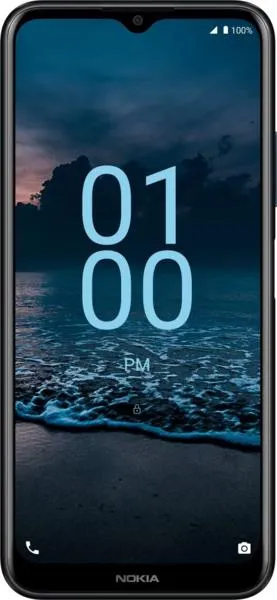
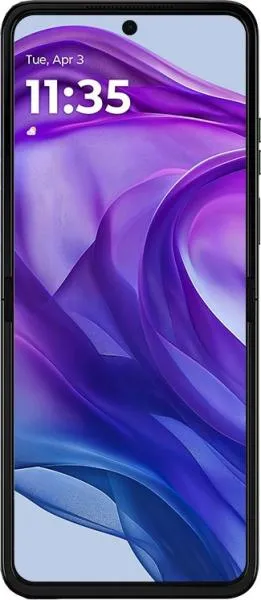
| Dimensions (mm) | 166.6 x 76.7 x 8.9 | 171.4 x 74 x 7.1 | Razr 50 Ultra is significantly more compact when folded, but thicker when unfolded. G100 prioritizes a larger battery in its classic candybar design. |
| Weight (g) | 195.1 | 189 | Razr 50 Ultra is slightly lighter despite its complex folding mechanism. |
| Foldable | No | Yes | Razr's foldable design offers portability and a unique form factor, while the G100 is a traditional smartphone. |
| Display | |||
| Display Type | 6.52" IPS LCD | 6.9" Foldable LTPO AMOLED | Razr boasts a vibrant, high-refresh-rate AMOLED with HDR support, ideal for media consumption. G100's LCD is more basic. |
| Resolution | 720 x 1600 | 1080 x 2640 | Razr offers significantly sharper visuals. |
| Refresh Rate (Hz) | - | 165 | Razr's higher refresh rate results in smoother animations and scrolling. |
| Performance | |||
| Chipset | Snapdragon 662 | Snapdragon 8s Gen 3 | Razr's flagship-level processor delivers significantly faster performance for demanding tasks and gaming. |
| RAM (GB) | 3/4 | 12 | Razr provides ample memory for multitasking and smooth operation. G100 may experience limitations with demanding applications. |
| OS | Android 12 | Android 14 | Razr comes with a newer OS version, offering potential feature and security advantages. |
| Camera | |||
| Main Camera (MP) | 13 | 50 | Razr's higher resolution main camera with a larger sensor promises better image quality, especially in low light. |
| Front Camera (MP) | 8 | 32 | Razr's higher resolution front camera is geared towards high-quality selfies and video calls. |
| Battery Life | |||
| Battery Capacity (mAh) | 5000 | 4000 | G100's larger battery likely provides longer battery life, while Razr's smaller battery is a compromise for its slim foldable design and powerful processor. |
2. Key Insights
Performance Powerhouse vs. Budget-Friendly Basic: The Razr 50 Ultra is a flagship device with a cutting-edge processor, ample RAM, and a stunning foldable display. The G100, on the other hand, focuses on affordability and essentials, prioritizing battery life over raw performance.
The Foldable Factor: The Razr's foldable design is its defining feature, making it incredibly compact when pocketed. However, this comes at the cost of battery capacity and potential durability concerns. The G100's traditional design is less exciting but potentially more robust.
Display Delight vs. Practicality: The Razr's high-refresh-rate AMOLED display is a visual treat, offering vibrant colors and smooth scrolling. The G100's LCD is functional but lacks the same visual punch.
3. User Profiles and Recommendations
Nokia G100: Ideal for budget-conscious users who prioritize battery life and basic functionality. It's a reliable device for calling, texting, web browsing, and light media consumption. Students, seniors, or anyone looking for a simple, long-lasting phone would appreciate the G100.
Motorola Razr 50 Ultra: Designed for tech enthusiasts and early adopters who crave cutting-edge technology and a unique form factor. Users who value a premium display, top-tier performance, and portability will find the Razr appealing, especially if they are willing to pay a premium.
4. Buying Decision Framework
- What is your budget? The G100 is significantly more affordable.
- Do you prioritize performance or battery life? The Razr excels in performance; the G100 in battery life.
- Is a foldable design important to you? The Razr's unique form factor comes with trade-offs.
My Choice: While the Razr 50 Ultra is undeniably impressive, I would choose the Nokia G100. As a tech journalist who values practicality and reliability, the G100's long battery life and robust design appeal to my daily needs. I'm often on the go, covering events and conducting interviews, and the last thing I need is a phone that dies on me. While I appreciate the Razr's innovation, the G100's simplicity and affordability better align with my personal priorities. For my usage, the foldable screen and extra performance don't outweigh the benefits of significantly longer battery life and lower price.
