Nokia G100 vs. Motorola Razr 40: A Practical Comparison
The smartphone market offers a dizzying array of choices, and navigating this landscape requires a discerning eye. Today, we'll dissect two seemingly disparate devices: the budget-friendly Nokia G100 and the innovative Motorola Razr 40 foldable. This comparison goes beyond mere specs, focusing on how these technical differences translate to real-world user experiences.
1. Specifications Breakdown
| Feature | Nokia G100 | Motorola Razr 40 | Real-World Implications |
|---|---|---|---|
| Design | |||
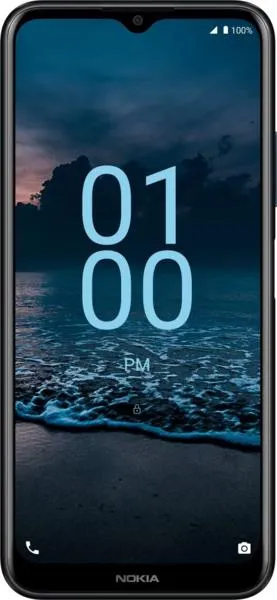
| Dimensions (mm) | 166.6 x 76.7 x 8.9 | 170.8 x 74 x 7.4 (folded) | Razr 40 significantly more compact when folded, enhancing portability; G100 offers a larger grip. |
| Weight (g) | 195.1 | 188.6 | G100 slightly heavier, noticeable in extended use. |
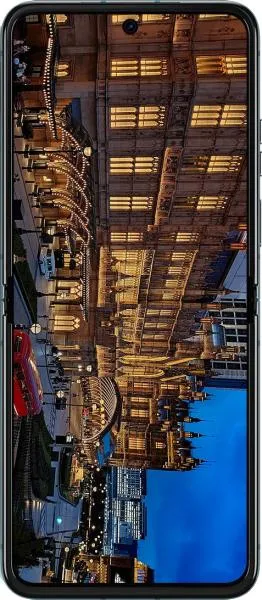
| Foldable | No | Yes | Razr 40's foldable design offers unique portability and a smaller footprint. |
| Display | |||
| Size (inches) | 6.52 | 6.9 | Razr 40 boasts a larger, more immersive display. |
| Resolution (px) | 720 x 1600 | 1080 x 2640 | Razr 40 offers significantly sharper visuals and more screen real estate. |
| Type | IPS LCD | Foldable LTPO AMOLED | Razr 40's AMOLED delivers richer colors, deeper blacks, and superior contrast. |
| Refresh Rate (Hz) | - | 144 | Razr 40 ensures smoother scrolling and animations. |
| Performance | |||
| Chipset | Snapdragon 662 | Snapdragon 7 Gen 1 | Razr 40 provides significantly faster processing speeds and smoother multitasking. |
| RAM (GB) | 4 | 8 | Razr 40 allows for more demanding apps and smoother multitasking. |
| OS | Android 12 | Android 13 | Razr 40 benefits from newer OS features and potentially longer software support. |
| Camera | |||
| Main Camera (MP) | 13 | 64 | Razr 40's higher resolution main camera captures significantly more detail. |
| Selfie Camera (MP) | 8 | 32 | Razr 40 offers a much higher resolution selfie camera. |
| Battery Life | |||
| Capacity (mAh) | 5000 | 4200 | G100's larger battery likely offers longer battery life, but Razr 40's LTPO display may offset this. |
2. Key Insights
The Nokia G100 prioritizes affordability and long battery life. Its large battery should easily last a full day, even with heavy use. However, its performance is modest, suitable for basic tasks but not demanding applications or gaming. The display, while large, lacks the vibrancy and sharpness of higher-end panels.
The Motorola Razr 40, on the other hand, is a statement piece. Its foldable design is undeniably cool, offering both a large screen when unfolded and exceptional portability when closed. The powerful processor, ample RAM, and high refresh rate display deliver a premium user experience. The trade-off is a smaller battery and a higher price tag.
3. User Profiles and Recommendations
Nokia G100: Ideal for budget-conscious users who prioritize battery life and reliability for essential communication and web browsing. Students, seniors, or anyone seeking a simple, functional smartphone would find it suitable.
Motorola Razr 40: Perfect for trendsetters and tech enthusiasts who value cutting-edge design and a premium user experience. Its compact folded size is a boon for those constantly on the go. Content creators, social media users, and mobile gamers would appreciate its capabilities.
4. Buying Decision Framework
Questions to Ask Yourself:
- What's your budget? The G100 is significantly more affordable.
- What are your performance needs? For basic tasks, the G100 suffices. For demanding apps and gaming, the Razr 40 is essential.
- How important is portability and design? The Razr 40's foldable design is unmatched in portability and style.
Scenario-Based Recommendations:
- Limited Budget, Basic Needs: Nokia G100
- Style Conscious, Moderate User: Motorola Razr 40
- Power User, Demands Performance: Motorola Razr 40
My Choice: The Motorola Razr 40
While the Nokia G100 offers excellent value for its price, I would choose the Motorola Razr 40. As a tech journalist, I'm drawn to innovation, and the Razr 40's foldable design is genuinely exciting. The superior performance, stunning display, and compact form factor align perfectly with my needs. I'm willing to compromise slightly on battery life for the significant gains in user experience and portability. The Razr 40 isn't just a phone; it's a statement about embracing the future of mobile technology. Its unique design offers a fresh perspective on how we interact with our devices, and as someone who thrives on exploring new possibilities, that's incredibly appealing.
