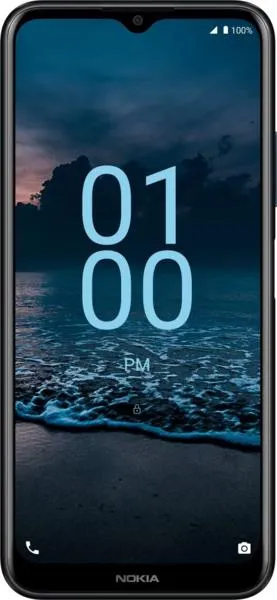
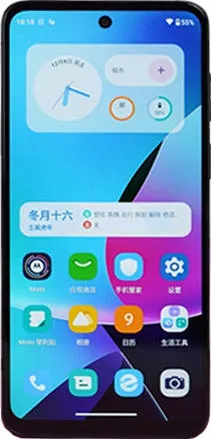
Nokia G100 vs. Motorola Moto G53: A Practical Comparison
Let's dive into a head-to-head comparison of the Nokia G100 and the Motorola Moto G53, dissecting their specs and uncovering what they truly offer in terms of real-world performance.
1. Specifications Breakdown
| Feature | Nokia G100 | Motorola Moto G53 | Real-World Implications |
|---|---|---|---|
| Design | |||
| Dimensions (mm) | 166.6 x 76.7 x 8.9 | 162.7 x 74.7 x 8.2 | Moto G53 is slightly smaller and thinner, potentially more pocketable. |
| Weight (g) | 195.1 | 183 | G100 feels more substantial, potentially more durable but less comfortable for extended use. |
| Display | |||
| Size (inches) | 6.52 | 6.5 | Virtually identical screen real estate. |
| Resolution | 720 x 1600 | 720 x 1600 | Same resolution, but sharpness might vary slightly due to size difference. Expect decent clarity, but not as sharp as higher-resolution displays. |
| Refresh Rate (Hz) | Unspecified (likely 60) | 120 | Moto G53's 120Hz offers smoother scrolling and animations, a noticeable advantage for responsiveness and gaming. |
| Display Type | IPS LCD | IPS LCD | Both offer good color reproduction and viewing angles, typical of IPS LCD technology. |
| Performance | |||
| Chipset | Snapdragon 662 | Snapdragon 480+ 5G | While the 662 might have slightly better single-core performance, the 480+ 5G offers 5G connectivity, a more modern GPU (Adreno 619 vs. 610), and better power efficiency due to the 8nm manufacturing process. |
| CPU | Octa-core (4x2.0 GHz & 4x1.8 GHz) | Octa-core (2x2.2 GHz & 6x1.8 GHz) | Both are capable for everyday tasks, but the 480+ 5G might edge out in sustained performance thanks to its more efficient architecture. |
| RAM | 3GB/4GB | 4GB/6GB/8GB | Moto G53 offers more RAM options, beneficial for multitasking and demanding applications. |
| OS | Android 12 | Android 13 | Moto G53 comes with a newer Android version, offering potential features and security updates. |
| Camera | |||
| Main Camera | 13MP | 50MP | Moto G53 boasts significantly higher resolution, potentially capturing more detail. However, megapixels aren't everything; image quality depends on sensor size and processing. |
| Front Camera | 8MP | 8MP | Similar front camera resolution. |
| Battery Life | |||
| Capacity | 5000 mAh | 5000 mAh | Similar battery capacity, but actual battery life depends on usage and optimization. Moto G53's more efficient processor might give it an edge. |
2. Key Insights
Performance: While the Nokia G100 might offer slightly better single-core performance for quick tasks, the Moto G53's Snapdragon 480+ 5G, coupled with more RAM options, delivers superior overall performance, better gaming capabilities, and improved power efficiency. The inclusion of 5G connectivity is a significant advantage for future-proofing.
Display: The Moto G53's 120Hz refresh rate is a clear winner, providing a noticeably smoother and more responsive user experience compared to the G100's standard 60Hz (assumed).
Camera: The Moto G53's 50MP main camera promises higher resolution and potentially more detailed photos. However, real-world image quality needs further examination.
Software: The Moto G53 ships with Android 13, ensuring a more up-to-date software experience with potential access to newer features and longer-term security updates. The Nokia G100 on Android 12 feels dated.
3. User Profiles and Recommendations
Nokia G100: Best suited for budget-conscious users who prioritize basic communication and simple tasks. Its larger form factor might appeal to those who prefer a substantial feel.
Motorola Moto G53: Ideal for users seeking a more well-rounded experience with smooth performance, 5G connectivity, a modern OS, and a potentially superior camera. Its better suited for light gaming, media consumption, and multitasking.
4. Buying Decision Framework
- Is 5G connectivity essential for you? If yes, the Moto G53 is the only option.
- How important is a smooth and responsive display? The Moto G53's 120Hz refresh rate significantly enhances daily use.
- What's your budget? While both are mid-range, the Moto G53 may come at a slightly higher price but offers better value overall.
My Choice: I would choose the Motorola Moto G53. The 5G connectivity, 120Hz refresh rate, more powerful and efficient processor (Snapdragon 480+ 5G), coupled with the newer Android OS (Android 13) makes it a significantly better device for long-term use. While the Nokia G100 offers a lower price point, the Moto G53's advantages in performance, display, and future-proofing outweigh the cost difference for me. It's a more compelling overall package.
