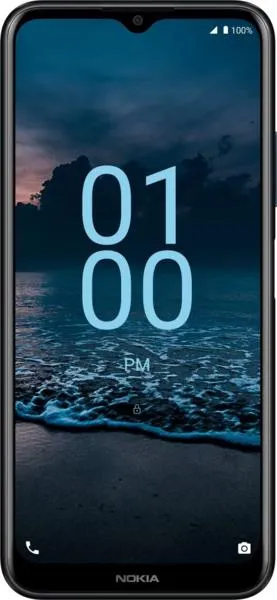
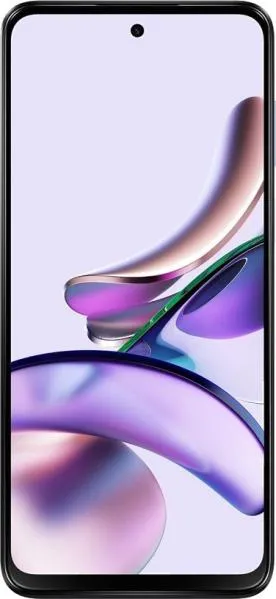
Nokia G100 vs. Motorola Moto G23: A Practical Comparison
Let's dive into a head-to-head comparison of the Nokia G100 and Motorola Moto G23, dissecting their specs and uncovering what they truly offer the everyday user.
1. Specifications Breakdown
| Feature | Nokia G100 | Motorola Moto G23 | Real-World Implications | |||||
|---|---|---|---|---|---|---|---|---|
| Design | ||||||||
| Dimensions (mm) | 166.6 x 76.7 x 8.9 | 162.7 x 74.7 x 8.2 | Moto G23 is slightly more compact and thinner, potentially more comfortable to hold. | |||||
| Weight (g) | 195.1 | 184.3 | Moto G23 is noticeably lighter, reducing hand fatigue during extended use. | |||||
| Display | ||||||||
| Size (inches) | 6.52 | 6.5 | Negligible difference in screen real estate. | |||||
| Resolution | 720 x 1600 | 720 x 1600 | Identical resolution; expect similar sharpness. | |||||
| Refresh Rate (Hz) | - | 90 | Moto G23's 90Hz offers smoother scrolling and animations, a tangible user experience boost. | |||||
| Display Type | IPS LCD | IPS LCD | Similar display technology; expect comparable color accuracy and viewing angles. | Performance | ||||
| Chipset | Snapdragon 662 | Helio G85 | Both offer decent performance for everyday tasks, but Helio G85 might have a slight edge in gaming due to its slightly faster clock speed on 2 cores, although the overall performance is similar. | |||||
| CPU | Octa-core | Octa-core | Similar CPU configurations; expect comparable multitasking capabilities. | |||||
| RAM (GB) | 3/4 | 4/8 | Moto G23 offers more RAM in some variants, enabling smoother multitasking and app switching. | |||||
| OS | Android 12 | Android 13 | Moto G23 comes with a newer Android version, offering potential feature and security advantages. | |||||
| Camera | ||||||||
| Main Camera (MP) | 13 | 50 | Moto G23 boasts a significantly higher resolution main camera, promising better detail and low-light performance. | |||||
| Selfie Camera (MP) | 8 | 16 | Moto G23's higher resolution selfie camera should deliver sharper self-portraits. | |||||
| Battery Life | ||||||||
| Capacity (mAh) | 5000 | 5000 | Identical battery capacity; expected battery life depends heavily on usage patterns. | |||||
| Other | ||||||||
| NFC | No | Yes | Moto G23 supports contactless payments and data transfer via NFC. |
2. Key Insights
- Performance: While both phones utilize mid-range processors, the Moto G23's Helio G85 coupled with higher RAM options might offer a slight performance advantage, especially for gaming. The Nokia G100 is no slouch for everyday tasks, however.
- Display: The Moto G23's 90Hz refresh rate is a clear differentiator, providing a noticeably smoother and more responsive user experience compared to the standard 60Hz of the Nokia G100.
- Camera: The Moto G23's 50MP main camera significantly outmuscles the Nokia G100's 13MP offering on paper. This translates to potentially much better image quality, detail, and low-light performance. The improved selfie camera on the G23 is another plus.
- Software: The Moto G23 ships with Android 13, giving it a head start in terms of software updates and features compared to the Nokia G100's Android 12.
- NFC: The inclusion of NFC in the Moto G23 adds convenient functionalities like contactless payments and quick pairing, which the Nokia G100 lacks.
3. User Profiles and Recommendations
- Nokia G100: Best suited for budget-conscious users who prioritize basic smartphone functionality – calling, texting, web browsing, and light social media usage. Its large battery should provide long-lasting battery life.
- Motorola Moto G23: A good choice for users who want a more well-rounded experience with a smoother display, better camera, newer software, and NFC functionality. It caters to those who engage in more demanding tasks like gaming, mobile photography, and utilize contactless payments.
4. Buying Decision Framework
- What's your budget? The Nokia G100 is generally more affordable.
- Is a smooth display important to you? If yes, the Moto G23's 90Hz display is a significant advantage.
- Do you frequently use your phone for photography? The Moto G23's superior camera system is a compelling reason to choose it.
My Choice: Motorola Moto G23
If I were choosing between these two, I'd go with the Motorola Moto G23. The 90Hz display alone significantly elevates the daily user experience. The vastly improved camera system, newer Android version, NFC functionality, and the potential performance edge make it a more compelling overall package, even with the likely price difference. While the Nokia G100 provides excellent value for its price, the Moto G23 offers a more future-proof and enjoyable smartphone experience. The smoother display, coupled with the better camera, makes it a more versatile device for a wider range of users.
