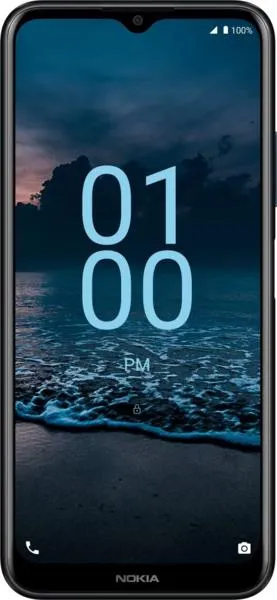

Nokia G100 vs. Motorola Moto G (2023): A Practical Comparison
Let's dive into a head-to-head comparison of the Nokia G100 and the Motorola Moto G (2023), dissecting their specs and uncovering what they truly offer in terms of real-world performance.
1. Specifications Breakdown
| Feature | Nokia G100 | Motorola Moto G (2023) | Real-World Implications |
|---|---|---|---|
| Design | |||
| Dimensions (mm) | 166.6 x 76.7 x 8.9 | 164 x 75 x 8.4 | Moto G is slightly more compact |
| Weight (g) | 195.1 | 189 | Moto G feels lighter in hand |
| Display | |||
| Size (inches) | 6.52 | 6.5 | Negligible difference in size |
| Resolution | 720 x 1600 | 720 x 1600 | Same sharpness; both are HD+ |
| Refresh Rate (Hz) | - | 120 | Moto G offers smoother scrolling and animations |
| Display Type | IPS LCD | IPS LCD | Similar color accuracy and viewing angles |
| Performance | |||
| Chipset | Snapdragon 662 | Snapdragon 480+ 5G | Moto G has a slightly more efficient and 5G-capable chip |
| CPU | Octa-core (4x2.0 GHz & 4x1.8 GHz) | Octa-core (2x2.2 GHz & 6x1.8 GHz) | Moto G likely has a slight edge in performance |
| RAM | 3GB/4GB | 4GB | Moto G's 4GB RAM enables better multitasking |
| OS | Android 12 | Android 13 | Moto G benefits from newer features and security updates |
| Camera | |||
| Rear Camera | 13MP Main, 5MP Wide, 2MP Depth | 48MP Main, 2MP Macro | Moto G boasts higher resolution main camera |
| Front Camera | 8MP | 8MP | Similar selfie camera performance |
| Battery Life | |||
| Capacity (mAh) | 5000 | 5000 | Similar battery capacity, but real-world usage will vary due to chip efficiency |
2. Key Insights
- Performance: While both phones offer entry-level performance, the Moto G (2023) with its Snapdragon 480+ 5G chip, 4GB RAM, and Android 13 likely delivers a smoother overall experience. The Nokia G100's Snapdragon 662 might show some lag with demanding tasks or heavy multitasking.
- Display: The standout feature of the Moto G (2023) is its 120Hz refresh rate display. This translates to noticeably smoother scrolling, animations, and gaming compared to the standard 60Hz (assumed) display on the Nokia G100.
- Camera: The Moto G (2023) features a 48MP main camera sensor, significantly higher resolution than the Nokia G100's 13MP. While megapixels don't tell the whole story, this suggests the Moto G is capable of capturing more detailed photos.
- 5G Connectivity: A crucial advantage of the Moto G (2023) is its 5G capability, offering faster download and upload speeds in areas with 5G coverage. The Nokia G100 is limited to 4G LTE.
3. User Profiles and Recommendations
- Nokia G100: Best suited for budget-conscious users who prioritize basic smartphone functionality: calling, texting, web browsing, and light social media usage. Its large battery is a plus for those needing long lasting power.
- Motorola Moto G (2023): Ideal for users who want a more responsive and future-proof device with 5G connectivity, a smoother display, and a potentially better camera. It strikes a good balance between affordability and modern features.
4. Buying Decision Framework
- Is 5G connectivity important to you? If yes, the Moto G (2023) is the clear winner.
- How much do you value display smoothness? If a fluid user interface is a priority, the Moto G (2023)'s 120Hz display will be a significant upgrade.
- What's your budget? Both phones are in the medium price range, but the Moto G might be slightly more expensive. Consider if the extra features justify the potential price difference.
My Choice: I would choose the Motorola Moto G (2023). While the Nokia G100 offers excellent battery life, the Moto G's advantages in performance (thanks to a newer processor, more RAM, and Android 13), the significantly smoother 120Hz display, and 5G connectivity are compelling. These features significantly enhance the daily user experience, making the Moto G a more future-proof and enjoyable device to use in the long run. I find the slightly higher potential price to be a worthwhile investment for the noticeable performance and usability gains.
