Nokia G100 vs. Motorola Edge 40 Pro: A Deep Dive for the Discerning User
Let's cut through the marketing jargon and delve into the real-world implications of choosing between the Nokia G100 and the Motorola Edge 40 Pro. These phones occupy distinct tiers in the smartphone landscape, catering to vastly different needs and budgets. This detailed comparison will equip you with the knowledge to decide which device best aligns with your priorities.
1. Specifications Breakdown
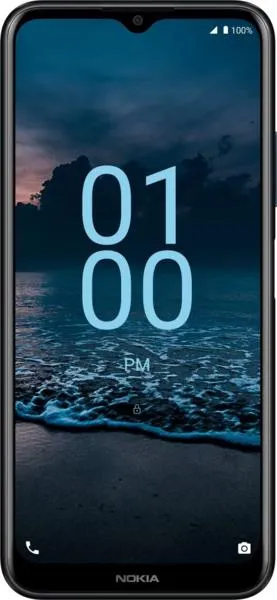
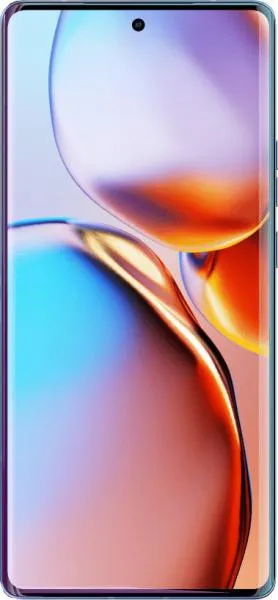
| Feature | Nokia G100 | Motorola Edge 40 Pro | Real-World Implications |
|---|---|---|---|
| Design | |||
| Dimensions (mm) | 166.6 x 76.7 x 8.9 | 161.2 x 74 x 8.6 | Edge 40 Pro is slightly more compact and pocketable. |
| Weight (g) | 195.1 | 199 | Negligible weight difference in hand. |
| Build Materials | Plastic | Glass/Aluminum | Edge 40 Pro offers a more premium feel and potentially better durability. |
| Display | |||
| Type | IPS LCD | OLED | Edge 40 Pro delivers vibrant colors, deeper blacks, and better power efficiency. |
| Size | 6.52" | 6.67" | Edge 40 Pro provides a slightly larger viewing area. |
| Resolution | 720 x 1600 | 1080 x 2400 | Edge 40 Pro boasts significantly sharper visuals (394 ppi vs. 269 ppi), impacting clarity and detail. |
| Refresh Rate | Standard | 165Hz | Edge 40 Pro ensures incredibly smooth scrolling and animations, enhancing responsiveness and gaming. |
| Performance | |||
| Chipset | Snapdragon 662 | Snapdragon 8 Gen 2 | Edge 40 Pro offers a massive leap in processing power, enabling seamless multitasking and demanding gaming. |
| CPU | Octa-core (2.0 GHz) | Octa-core (3.2 GHz) | Edge 40 Pro handles complex tasks with significantly greater speed and efficiency. |
| RAM | 3GB/4GB | 12GB | Edge 40 Pro's abundant RAM ensures smooth performance even with numerous apps open. |
| Storage | 32GB/128GB | 256GB/512GB | Edge 40 Pro provides significantly more storage for apps, media, and files. |
| Camera | |||
| Main Camera | 13MP | 50MP | Edge 40 Pro captures significantly more detailed and higher-resolution photos. |
| Ultrawide | 5MP | 50MP | Edge 40 Pro's ultrawide matches the main camera in resolution, offering exceptional wide-angle shots. |
| Video | 1080p@30fps | 8K@30fps | Edge 40 Pro supports significantly higher video resolution and frame rates. |
| Battery Life | |||
| Capacity | 5000mAh | 4600mAh | While the G100 has a larger battery, the Edge 40 Pro's OLED display and efficient processor may balance this out. |
2. Key Insights
The Nokia G100 is a budget-friendly device prioritizing essentials. Its large battery promises extended usage, making it ideal for basic communication and light tasks. However, its modest processor and display limit its capabilities for demanding applications and multimedia consumption.
The Motorola Edge 40 Pro is a flagship contender, excelling in performance, display, and camera technology. It delivers a premium user experience with blazing-fast speeds, stunning visuals, and versatile photography capabilities. The trade-off is a higher price point and potentially shorter battery life compared to the G100.
3. User Profiles and Recommendations
Nokia G100: Best suited for budget-conscious users prioritizing battery life and basic functionality. Ideal for calling, texting, web browsing, and light social media usage.
Motorola Edge 40 Pro: Ideal for power users, gamers, photography enthusiasts, and those seeking a premium smartphone experience. Perfect for demanding tasks, multimedia consumption, content creation, and immersive gaming.
4. Buying Decision Framework
- What is your budget? The G100 is significantly more affordable.
- What are your primary smartphone uses? Basic communication vs. demanding tasks and multimedia.
- How important are premium features like display quality and camera performance? The Edge 40 Pro excels in these areas.
My Choice: Motorola Edge 40 Pro
While the Nokia G100 offers excellent value for its price, I would choose the Motorola Edge 40 Pro. As a tech journalist, I demand top-tier performance, a brilliant display, and a versatile camera for capturing high-quality photos and videos. The Edge 40 Pro's powerful Snapdragon 8 Gen 2 processor, coupled with its stunning 165Hz OLED display, ensures a fluid and responsive user experience that is crucial for my workflow. Although the battery capacity is slightly smaller than the G100, the Edge 40 Pro's power efficiency mitigates this difference. The significant upgrade in camera technology, processing power, and overall user experience justifies the higher price for my needs. The G100 is a solid budget option, but the Edge 40 Pro is a true powerhouse that aligns perfectly with my demanding usage patterns and appreciation for cutting-edge technology.
