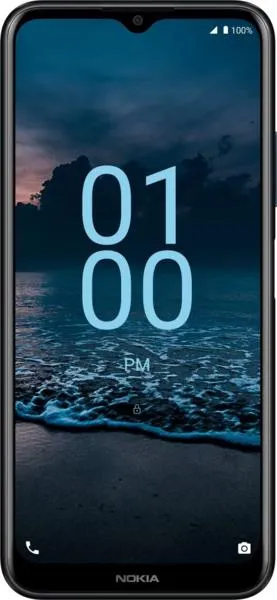
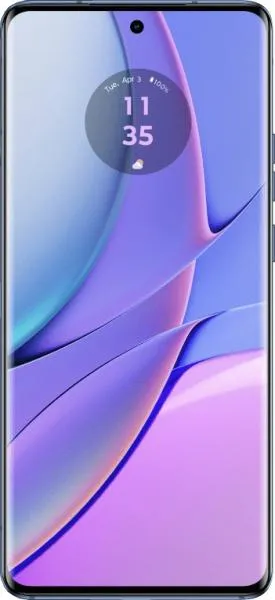
Nokia G100 vs. Motorola Edge 40: A Deep Dive for the Discerning Smartphone Buyer
Let's cut through the marketing fluff and get down to brass tacks. The Nokia G100 and Motorola Edge 40 both occupy the "medium price" segment, but their underlying technology tells very different stories. This in-depth comparison will empower you to choose the device that truly aligns with your needs.
1. Specifications Breakdown
| Feature | Nokia G100 | Motorola Edge 40 | Real-World Implications |
|---|---|---|---|
| Design | |||
| Dimensions (mm) | 166.6 x 76.7 x 8.9 | 158.4 x 72 x 7.6 | Edge 40 is significantly slimmer and more pocketable. |
| Weight (g) | 195.1 | 167 | G100 feels noticeably heavier, potentially impacting one-handed use. |
| Build Materials | Plastic | [Missing Data] | Durability and premium feel may differ. |
| Display | |||
| Type | IPS LCD | P-OLED | Edge 40 offers deeper blacks, vibrant colors, and superior contrast. |
| Size (inches) | 6.52 | 6.55 | Negligible difference in screen real estate. |
| Resolution | 720 x 1600 | 1080 x 2400 | Edge 40 boasts much sharper visuals and text clarity. |
| Refresh Rate (Hz) | [Missing Data] | 144 | Edge 40 delivers smoother scrolling and animations, crucial for gaming and media consumption. |
| Performance | |||
| Chipset | Snapdragon 662 | Dimensity 8020 | Edge 40 provides significantly faster processing speeds and smoother multitasking. |
| CPU | Octa-core | Octa-core | While both have eight cores, the architecture differs, giving Edge 40 a performance edge. |
| GPU | Adreno 610 | Mali-G77 MC9 | Edge 40 offers superior graphics performance for demanding games and applications. |
| RAM (GB) | 3/4 | 8 | Edge 40's larger RAM enables seamless multitasking and app switching. |
| Storage (GB) | 32/128 | 256 | Edge 40 provides ample storage for apps, photos, and videos. |
| Camera | |||
| Main Camera (MP) | 13 | 50 | Edge 40's higher resolution sensor potentially captures more detailed photos. |
| Features | Basic | OIS, 4K Video | Edge 40 offers advanced features like Optical Image Stabilization and 4K video recording. |
| Battery Life | |||
| Capacity (mAh) | 5000 | 4400 | G100 likely offers longer battery life due to its larger capacity and less demanding display. |
2. Key Insights
The Nokia G100 prioritizes affordability and potentially longer battery life. However, its lower-resolution display, less powerful processor, and basic camera system reflect its budget-oriented nature.
The Motorola Edge 40, while slightly more expensive, delivers a significant upgrade in performance, display quality, and camera capabilities. Its slimmer design and faster refresh rate contribute to a more premium user experience.
3. User Profiles and Recommendations
Nokia G100: Ideal for budget-conscious users who prioritize basic communication, light web browsing, and long battery life. It's a reliable workhorse for calls, texts, and essential apps.
Motorola Edge 40: Best suited for users who demand a smooth, responsive experience for gaming, media consumption, multitasking, and mobile photography. It caters to those who value a modern, feature-rich smartphone.
4. Buying Decision Framework
- What is your budget? The G100 wins if absolute affordability is paramount.
- What are your primary smartphone uses? For basic tasks, the G100 suffices. For demanding applications and multimedia, the Edge 40 excels.
- Do you prioritize performance and features or battery life? The G100 likely offers longer battery endurance, while the Edge 40 delivers superior performance and a richer feature set.
My Choice: Motorola Edge 40
While the Nokia G100 offers impressive battery life, the Motorola Edge 40's overall package is far more compelling to me. As a tech journalist, I demand a device that can keep pace with my workflow – smooth multitasking, fast app loading, and a vibrant display for reviewing media. The Edge 40's superior performance, stunning P-OLED screen with a 144Hz refresh rate, and advanced camera features make it the clear winner. The slightly smaller battery is a trade-off I'm willing to make for the significant gains in user experience.
