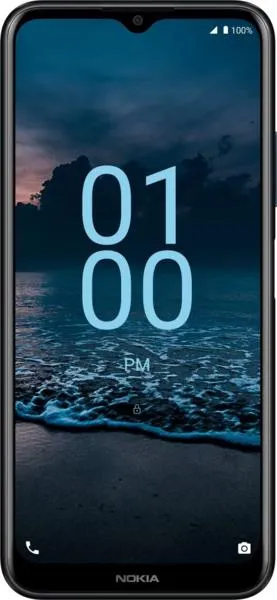
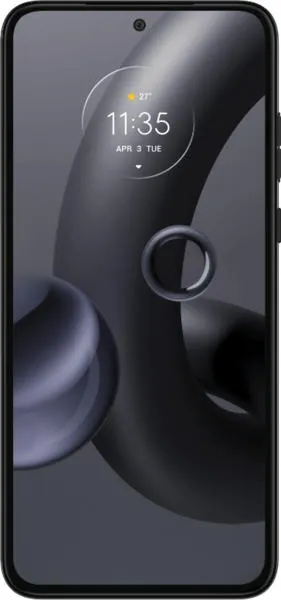
Nokia G100 vs. Motorola Edge 30 Neo: A Deep Dive for the Discerning Smartphone User
Let's cut through the marketing fluff and get down to brass tacks. We're pitting the Nokia G100 against the Motorola Edge 30 Neo, two mid-range contenders vying for your attention. I've spent time analyzing their specs, and I'm here to translate those numbers into real-world experiences so you can choose the phone that truly fits your needs.
1. Specifications Breakdown
| Feature | Nokia G100 | Motorola Edge 30 Neo | Real-World Implications |
|---|---|---|---|
| Design | |||
| Dimensions (mm) | 166.6 x 76.7 x 8.9 | 152.9 x 71.2 x 7.8 | Edge 30 Neo is significantly more compact and pocketable. |
| Weight (g) | 195.1 | 155 | G100 feels noticeably heavier; Edge 30 Neo offers a more comfortable one-handed experience. |
| Display | |||
| Display Type | IPS LCD | P-OLED, 120Hz | Edge 30 Neo boasts richer colors, deeper blacks, and smoother scrolling thanks to OLED and the high refresh rate. G100's LCD is more basic. |
| Size (inches) | 6.52 | 6.28 | Negligible difference in screen real estate. |
| Resolution | 720 x 1600 | 1080 x 2400 | Edge 30 Neo offers significantly sharper visuals. G100's display will appear pixelated in comparison. |
| Performance | |||
| Chipset | Snapdragon 662 | Snapdragon 695 5G | Edge 30 Neo provides noticeably faster performance and 5G connectivity. G100 may struggle with demanding tasks. |
| CPU | Octa-core (2.0 GHz) | Octa-core (2.2 GHz) | Edge 30 Neo's more powerful CPU handles multitasking and apps with greater speed. |
| RAM | 3GB/4GB (Variant Dependent) | 8GB | Edge 30 Neo offers smoother multitasking and app switching due to significantly more RAM. G100's 3GB RAM can lead to performance bottlenecks. |
| Camera | |||
| Rear Camera | 13MP + 5MP + 2MP | 64MP + 13MP | Edge 30 Neo's higher resolution main sensor captures more detail, especially in low light. |
| Front Camera | 8MP | 32MP | Edge 30 Neo offers much higher resolution selfies. |
| Battery Life | |||
| Capacity (mAh) | 5000 | 4020 | G100 likely has longer battery life due to larger capacity, but real-world usage can vary. Edge 30 Neo's higher refresh rate could drain the battery faster. |
| Other Features | |||
| NFC | No | Yes | Edge 30 Neo supports contactless payments and data transfer. |
| USB | USB Type-C 2.0 | USB Type-C 3.1 | Edge 30 Neo offers faster data transfer speeds. |
2. Key Insights
The Motorola Edge 30 Neo is the clear winner in terms of overall performance, display quality, and features. Its OLED display with a 120Hz refresh rate, powerful Snapdragon 695 5G chipset, 8GB of RAM, and higher-resolution cameras deliver a significantly more premium experience. The inclusion of NFC for contactless payments adds to its versatility.
The Nokia G100's primary advantage lies in its potentially longer battery life due to the larger 5000mAh battery. However, its lower-resolution display, less powerful processor, and lack of NFC make it feel dated compared to the Edge 30 Neo.
3. User Profiles and Recommendations
Nokia G100: Best suited for users on a tight budget who prioritize basic communication and long battery life above all else. Think of someone who primarily uses their phone for calls, texting, and light web browsing.
Motorola Edge 30 Neo: Ideal for users who want a more well-rounded smartphone experience with a vibrant display, smooth performance, capable cameras, and modern features like 5G and NFC. This phone is suitable for social media enthusiasts, mobile gamers (to a certain extent), and those who consume multimedia content on their phones.
4. Buying Decision Framework
- What is your budget? The Nokia G100 is significantly cheaper.
- What are your primary phone usage patterns? For basic tasks, the G100 might suffice. For a richer multimedia experience and better performance, the Edge 30 Neo is superior.
- Which features are non-negotiable? If 5G, NFC, or a high-quality display are must-haves, the Edge 30 Neo is the only option.
My Choice: Motorola Edge 30 Neo
While the Nokia G100 offers a larger battery, the Motorola Edge 30 Neo's superior display, performance, camera system, 5G connectivity, and NFC functionality make it the clear winner for me. I value a smooth and responsive user experience, and the Edge 30 Neo delivers that in spades. The price difference is justifiable considering the significant leap in overall quality and features. I'd happily sacrifice a bit of battery life for the enhanced experience the Edge 30 Neo provides. It's a more future-proof device that will better handle evolving app demands and connectivity standards.
