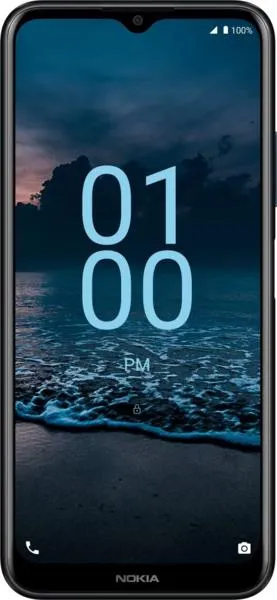
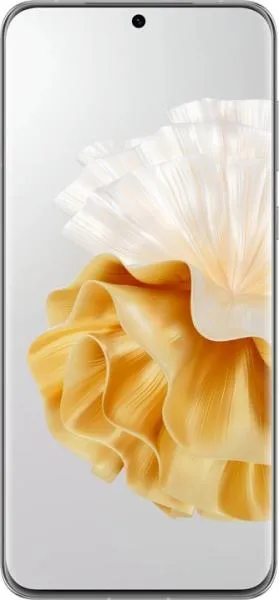
Let's dive into a comparative analysis of the Nokia G100 and the Huawei P60 Pro. These two smartphones occupy distinct segments of the market, catering to different needs and budgets.
1. Specifications Breakdown
| Feature | Nokia G100 | Huawei P60 Pro | Real-World Implications |
|---|---|---|---|
| Design | |||
| Dimensions (mm) | 166.6 x 76.7 x 8.9 | 161 x 74.5 x 8.3 | P60 Pro is slightly more compact and pocketable. |
| Weight (g) | 195.1 | 200 | Negligible difference in weight; both feel substantial in hand. |
| Build Materials | Plastic | Glass & Metal | P60 Pro offers a more premium feel and potentially better durability. |
| Display | |||
| Size (inches) | 6.52 | 6.67 | P60 Pro boasts a larger screen for more immersive content consumption. |
| Resolution | 720 x 1600 | 1220 x 2700 | Significantly sharper and more detailed visuals on the P60 Pro; G100's display is noticeably less crisp. |
| Panel Type | IPS LCD | LTPO OLED | P60 Pro's OLED delivers richer colors, deeper blacks, and potentially better power efficiency due to individual pixel lighting. |
| Refresh Rate | - | 120Hz | Smoother scrolling and animations on the P60 Pro, enhancing the user experience. G100 likely has a standard 60Hz refresh rate |
| Performance | |||
| Chipset | Snapdragon 662 | Snapdragon 8+ Gen 1 | P60 Pro significantly outperforms the G100 in processing power, enabling demanding tasks and gaming. |
| CPU | Octa-core (4x2.0 GHz & 4x1.8 GHz) | Octa-core (1x3.19 GHz & 3x2.75 GHz & 4x2.0 GHz) | P60 Pro handles multitasking and complex applications with ease; G100 is suited for basic tasks. |
| RAM | 3GB/4GB | 8GB/12GB | More RAM in the P60 Pro allows for seamless app switching and smoother performance. |
| Camera | |||
| Main Camera | 13MP | 48MP | Higher resolution and advanced sensor on the P60 Pro translate to significantly better image quality. |
| Other Cameras | 5MP Wide, 2MP Depth | 13MP Wide, 48MP Telephoto | P60 Pro offers versatile photography options with a dedicated telephoto lens for optical zoom. |
| Battery Life | |||
| Capacity | 5000 mAh | 4815 mAh | Similar battery capacities; real-world battery life will depend on usage patterns and software optimization. |
2. Key Insights
- Performance: The P60 Pro is a flagship device with a powerful processor and ample RAM, delivering a smooth and responsive user experience. The G100 is a budget-friendly option with modest performance suitable for basic tasks.
- Display: The P60 Pro's LTPO OLED display with a 120Hz refresh rate provides a superior visual experience compared to the G100's IPS LCD.
- Camera: The P60 Pro's camera system is significantly more advanced, offering higher resolution, a versatile lens setup, and superior image quality.
- Price: The Nokia G100 is a budget-friendly phone, while the Huawei P60 Pro is a premium flagship device.
3. User Profiles and Recommendations
- Nokia G100: Suitable for users on a tight budget who prioritize basic communication, web browsing, and light app usage. It's a reliable option for those who need a simple, functional smartphone without the bells and whistles.
- Huawei P60 Pro: Ideal for users who demand top-tier performance, a stunning display, a cutting-edge camera system, and a premium design. This phone is for power users, photographers, and anyone who wants the best possible mobile experience.
4. Buying Decision Framework
- What is your budget? The G100 is significantly more affordable than the P60 Pro.
- What are your primary smartphone needs? If you need a phone for basic tasks, the G100 will suffice. If you require high performance and advanced features, choose the P60 Pro.
- How important is camera quality? The P60 Pro offers a substantially better camera experience.
My Choice: If I were choosing between these two, I'd opt for the Huawei P60 Pro. While significantly more expensive, the P60 Pro's superior performance, stunning display, versatile camera system, and premium design align with my preference for a high-end, feature-rich smartphone experience. I value smooth multitasking, immersive content consumption, and high-quality photography, all of which the P60 Pro delivers exceptionally well. The price difference is substantial, but the long-term benefits in terms of user experience and longevity would make it a worthwhile investment for me.
