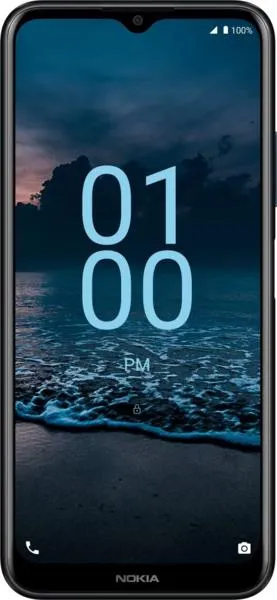
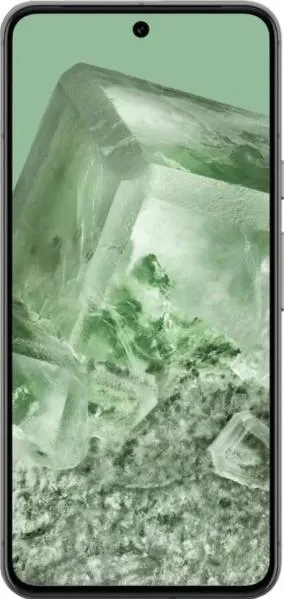
Nokia G100 vs. Google Pixel 8: A Deep Dive for the Discerning Smartphone User
Let's cut through the marketing fluff and get down to brass tacks. We're comparing the Nokia G100, a budget-friendly contender, with the Google Pixel 8, a powerhouse packing cutting-edge technology. My goal is to equip you with the knowledge to decide which phone truly fits your needs.
1. Specifications Breakdown
| Feature | Nokia G100 | Google Pixel 8 | Real-World Implications |
|---|---|---|---|
| Design | |||
| Dimensions (mm) | 166.6 x 76.7 x 8.9 | 150.5 x 70.8 x 8.9 | Pixel 8 is noticeably more compact and potentially easier to handle one-handed. |
| Weight (g) | 195.1 | 187 | G100 feels more substantial, but the Pixel 8's lighter weight enhances portability. |
| Display | |||
| Display Type | IPS LCD | OLED | Pixel 8 offers deeper blacks, more vibrant colors, and superior contrast thanks to OLED technology. |
| Size (inches) | 6.52 | 6.2 | Negligible size difference in practical use. |
| Resolution | 720 x 1600 | 1080 x 2400 | Pixel 8 boasts significantly sharper visuals due to higher pixel density (428 ppi vs 269 ppi). Text, images, and videos will appear crisper and more detailed. |
| Refresh Rate | Unspecified | 120Hz | Pixel 8 provides smoother scrolling and animations, resulting in a more fluid user interface. |
| Performance | |||
| Chipset | Snapdragon 662 | Google Tensor G3 | Tensor G3 delivers substantially faster processing speeds, enabling seamless multitasking and demanding gaming. G100 is suitable for basic tasks but might struggle with complex applications. |
| CPU | Octa-core (4x2.0 GHz & 4x1.8 GHz) | Nona-core (up to 3.0 GHz) | Pixel 8's more powerful CPU architecture, coupled with higher clock speeds, ensures snappy performance even under heavy load. |
| RAM | 3GB /4GB | 8GB | More RAM on the Pixel 8 allows for more apps to run in the background without performance degradation. |
| OS | Android 12 | Android 14 | Pixel 8 benefits from the latest Android features, security updates, and performance optimizations. G100 may not receive future OS updates. |
| Camera | |||
| Main Camera | 13MP | 50MP | Pixel 8's higher resolution main camera captures more detail and offers greater flexibility for cropping and editing. Google's computational photography prowess further enhances image quality. |
| Video Recording | 1080p@30fps | Up to 4K@60fps | Pixel 8 provides superior video recording capabilities with higher resolution and frame rates, resulting in smoother and more detailed videos. |
| Battery Life | |||
| Capacity | 5000 mAh | 4575 mAh | While the G100 has a larger battery, the Pixel 8's more power-efficient OLED display and optimized Tensor G3 chip could result in comparable real-world battery life. |
2. Key Insights
The Google Pixel 8 is a clear winner in terms of overall performance, camera capabilities, and display quality. Its Tensor G3 chip, coupled with 8GB of RAM, ensures a smooth and responsive user experience. The advanced camera system, powered by Google's computational photography algorithms, promises stunning photos and videos.
The Nokia G100, while offering a larger battery and a more affordable price point, lags significantly in processing power, display resolution, and camera technology. It's designed for users who prioritize basic functionality and long battery life over cutting-edge performance.
3. User Profiles and Recommendations
Nokia G100: Ideal for budget-conscious users who primarily use their phones for calling, texting, web browsing, and light social media. Its long battery life makes it suitable for users who need a phone that can last all day on a single charge.
Google Pixel 8: Perfect for power users, photographers, and videographers who demand top-tier performance, a brilliant display, and an exceptional camera system. Its smooth performance handles multitasking and demanding applications with ease.
4. Buying Decision Framework
- What is your budget? The G100 is significantly cheaper.
- What are your primary phone usage patterns? Basic tasks vs. demanding applications and multimedia consumption.
- How important are camera quality and display sharpness to you? The Pixel 8 excels in both areas.
My Choice: I would choose the Google Pixel 8. While the Nokia G100 offers excellent value for its price, the Pixel 8's superior performance, stunning camera, vibrant display, and the promise of long-term software updates make it a much more compelling device for my needs. As a tech journalist, I need a phone that can handle demanding tasks, capture high-quality photos and videos, and provide a smooth and enjoyable user experience. The Pixel 8 delivers on all fronts. The price difference is justified by the significant leap in capabilities.
