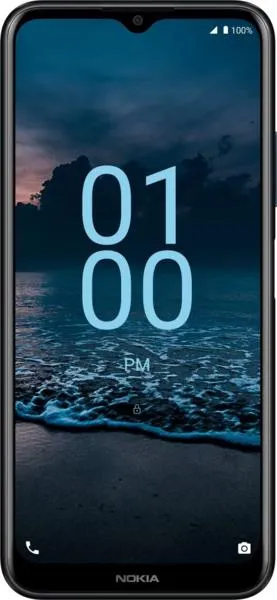
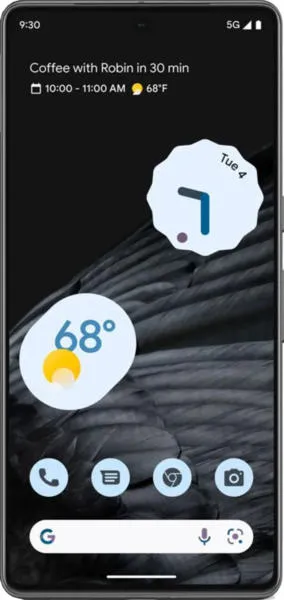
Nokia G100 vs. Google Pixel 7 Pro: A Deep Dive for the Discerning User
Let's cut through the marketing fluff and get down to brass tacks. We're comparing the Nokia G100 and the Google Pixel 7 Pro, two phones occupying different ends of the Android spectrum. I'll break down the specs, translate them into real-world experiences, and help you figure out which phone fits your needs.
1. Specifications Breakdown
| Feature | Nokia G100 | Google Pixel 7 Pro | Real-World Implications |
|---|---|---|---|
| Design | |||
| Dimensions (mm) | 166.6 x 76.7 x 8.9 | 162.9 x 76.6 x 8.9 | Pixel 7 Pro slightly more compact |
| Weight (g) | 195.1 | 212 | Noticeable difference in hand; G100 lighter, Pixel 7 Pro feels more substantial |
| Build Materials | Plastic | Aluminum & Glass | Pixel 7 Pro offers a more premium feel and potentially better durability |
| Display | |||
| Size (inches) | 6.52 | 6.7 | Pixel 7 Pro offers a larger screen for more immersive content |
| Resolution | 720 x 1600 | 1440 x 3120 | Pixel 7 Pro significantly sharper, better for detail-oriented tasks (e.g., photo editing) |
| Type | IPS LCD | LTPO AMOLED | Pixel 7 Pro boasts richer colors, deeper blacks, and smoother scrolling due to higher refresh rate |
| Refresh Rate (Hz) | - | 120 | Pixel 7 Pro offers smoother animations and scrolling |
| Performance | |||
| Chipset | Snapdragon 662 | Google Tensor G2 | Pixel 7 Pro significantly faster and more powerful, better for demanding apps and multitasking |
| RAM (GB) | 4 | 12 | Pixel 7 Pro enables seamless multitasking and faster app loading |
| Storage (GB) | 128 | 128/256/512 | Pixel 7 Pro offers more storage options for large files and apps |
| Camera | |||
| Main Camera (MP) | 13 | 50 | Pixel 7 Pro's camera captures significantly more detail and light |
| Ultrawide (MP) | 5 | 12 | Pixel 7 Pro's ultrawide offers higher resolution and better image quality |
| Telephoto (MP) | - | 48 | Pixel 7 Pro offers optical zoom for clear zoomed-in shots |
| Battery Life | |||
| Capacity (mAh) | 5000 | 5000 | Similar battery capacity, but real-world usage will vary due to different processors and displays |
2. Key Insights
The Pixel 7 Pro is a flagship phone, while the Nokia G100 is a budget-friendly option. The Pixel 7 Pro excels in display quality, performance, camera capabilities, and overall user experience. Its Tensor G2 chip, coupled with 12GB of RAM, delivers a smooth and responsive performance that the Nokia G100's Snapdragon 662 simply can't match. The camera system on the Pixel 7 Pro is also leagues ahead, offering superior image quality, versatility, and Google's renowned computational photography magic.
The Nokia G100's strength lies in its affordability and potentially longer battery life due to its less demanding hardware. It's a reliable device for basic tasks like calling, texting, and browsing.
3. User Profiles and Recommendations
Nokia G100: Best suited for budget-conscious users who prioritize basic functionality and long battery life. Ideal for those who primarily use their phones for calling, texting, and light web browsing.
Google Pixel 7 Pro: Ideal for power users, photographers, and anyone who demands a premium smartphone experience. Excellent for gaming, multitasking, content creation, and capturing stunning photos and videos.
4. Buying Decision Framework
- What's your budget? The Nokia G100 is significantly cheaper.
- What are your primary phone uses? Basic tasks vs. demanding applications and photography?
- How important is a premium feel and cutting-edge technology? The Pixel 7 Pro offers a more refined experience.
My Choice: Google Pixel 7 Pro
While the Nokia G100 offers great value for its price, I would choose the Google Pixel 7 Pro. As a tech journalist, I need a phone with top-tier performance, a brilliant display for showcasing content, and a camera that can capture high-quality images and videos. The Pixel 7 Pro's smooth user experience, powerful processor, and exceptional camera system are essential for my work. While the price is higher, the significant jump in capabilities justifies the investment for my needs. The fluidity of the 120Hz display, the speed of the Tensor G2 chip, and the quality of the camera make it a clear winner for me.
