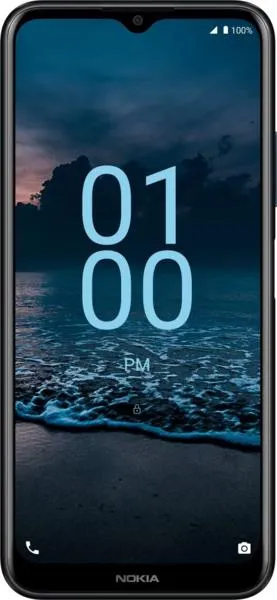
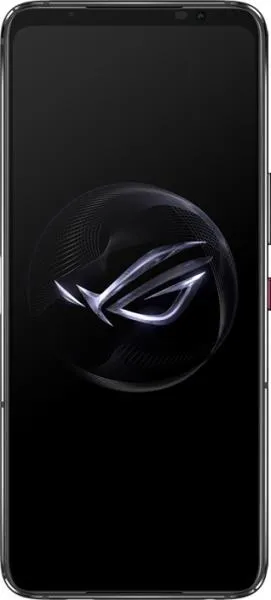
Let's dive into a comparative analysis of the Nokia G100 and the Asus ROG Phone 7, two smartphones targeting distinctly different user demographics.
1. Specifications Breakdown
| Feature | Nokia G100 | Asus ROG Phone 7 | Real-World Implications |
|---|---|---|---|
| Design | |||
| Dimensions (mm) | 166.6 x 76.7 x 8.9 | 173 x 77 x 10.3 | ROG Phone 7 is larger and heavier, impacting one-handed use. |
| Weight (g) | 195.1 | 239 | Nokia G100 is significantly lighter, more comfortable for extended use. |
| Build Material | Plastic | Glass, Aluminum | ROG Phone 7 offers a more premium feel and potentially better durability. |
| Display | |||
| Size (inches) | 6.52 | 6.78 | ROG Phone 7 provides a larger viewing area for media consumption and gaming. |
| Resolution | 720 x 1600 | 1080 x 2448 | ROG Phone 7 boasts much sharper visuals due to higher resolution and pixel density. |
| Panel Type | IPS LCD | AMOLED | ROG Phone 7's AMOLED delivers vibrant colors, deeper blacks, and potentially higher brightness. |
| Refresh Rate | - | 165Hz | ROG Phone 7's ultra-high refresh rate ensures incredibly smooth animations and gameplay. |
| Performance | |||
| Chipset | Snapdragon 662 | Snapdragon 8 Gen 2 | ROG Phone 7 offers flagship-level performance, significantly faster and more capable for demanding tasks. |
| CPU | Octa-core (2.0 GHz) | Octa-core (3.2 GHz) | ROG Phone 7's CPU delivers a substantial performance advantage in multitasking and demanding applications. |
| GPU | Adreno 610 | Adreno 740 | ROG Phone 7's GPU provides a massive leap in graphics performance, crucial for high-end gaming. |
| RAM | 3GB/4GB | 12GB/16GB | ROG Phone 7's vastly larger RAM enables seamless multitasking and smooth performance with numerous open apps. |
| Camera | |||
| Main Camera | 13MP | 50MP (Sony IMX766) | ROG Phone 7's main camera offers significantly higher resolution, potentially capturing more detail. |
| Video Recording | 1080p@30fps | 8K@24fps | ROG Phone 7 supports much higher video resolution. |
| Battery Life | |||
| Capacity | 5000 mAh | 6000 mAh | ROG Phone 7 has a larger battery, potentially lasting longer on a single charge. |
2. Key Insights
The Nokia G100 is a budget-friendly phone prioritizing affordability and essential functionality. Its strengths lie in its lightweight design, long battery life (thanks to the efficient processor and lower resolution display), and ease of use. However, its performance is limited, making it unsuitable for demanding tasks or gaming.
The Asus ROG Phone 7, on the other hand, is a premium gaming phone designed for peak performance. Its flagship Snapdragon processor, ample RAM, high refresh rate AMOLED display, and large battery cater to power users and mobile gamers. The advanced cooling system and gaming-centric features further solidify its position as a top-tier gaming device.
3. User Profiles and Recommendations
Nokia G100: Ideal for budget-conscious users who prioritize basic communication, web browsing, and light media consumption. Suitable for seniors or individuals seeking a simple, reliable device.
Asus ROG Phone 7: Perfect for mobile gamers, power users, and tech enthusiasts who demand top-of-the-line performance, a stunning display, and cutting-edge features. Content creators who shoot high-resolution video will also appreciate its capabilities.
4. Buying Decision Framework
- What is your budget? The Nokia G100 is significantly more affordable.
- What are your primary use cases? Basic tasks vs. demanding gaming and content creation.
- Do you prioritize performance or battery life? ROG Phone 7 excels in performance, while G100 focuses on efficiency.
My Choice: Asus ROG Phone 7
While the Nokia G100 offers excellent value for its price, I would choose the Asus ROG Phone 7. As a tech journalist and smartphone analyst, I need a device that can handle demanding tasks, run benchmarks smoothly, and showcase the latest mobile technology. The ROG Phone 7's powerful hardware, stunning display, and advanced features make it the clear winner for my needs. While the price is significantly higher, the investment is justified by the substantial performance gains and premium user experience. The ability to capture high-quality video content and experience the latest games at their full potential are critical for my work. Furthermore, the future-proofing provided by the top-tier specifications ensures the device will remain relevant and capable for years to come.
