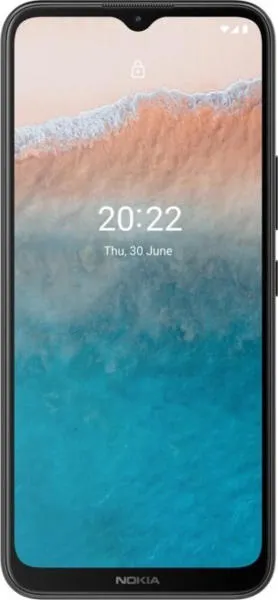
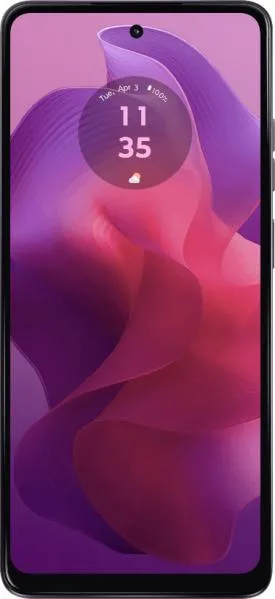
Alright, let's dive deep into the Nokia C21 Plus and the Motorola Moto G24. We'll look beyond the spec sheets and understand what these differences mean for everyday users.
1. Specifications Breakdown
| Feature | Nokia C21 Plus | Motorola Moto G24 | Real-World Implications |
|---|---|---|---|
| Design | |||
| Dimensions | 164.8 x 75.9 x 8.6 mm | 163.5 x 74.5 x 8 mm | Moto G24 is slightly smaller and thinner, might be more comfortable for one-handed use. |
| Weight | 178g | 181g | Essentially identical weights, both feel comfortable but not ultra-light. |
| Display | |||
| Size | 6.52" | 6.56" | Minimal size difference; both offer a good screen size for media consumption. |
| Resolution | 720x1600 | 720x1612 | Similar low-resolution panels; fine for casual use, but not ideal for high-res content or VR. |
| PPI | 269 | 269 | Identical pixel density, sharpness appears similar, suitable for everyday tasks. |
| Technology | IPS LCD | IPS LCD | Both use IPS LCD which offers decent viewing angles and color, but not the vibrancy of OLED. |
| Refresh Rate | 60Hz | 90Hz | Moto G24 provides a slightly smoother visual experience, making scrolling and animations appear more fluid. |
| Brightness | 0 nits | 500 nits | Moto G24 has superior outdoor visibility, significantly better experience under bright sunlight. C21 Plus is not usable outdoors. |
| Performance | |||
| Chipset | Unisoc SC9863A (28nm) | Mediatek Helio G85 (12nm) | Helio G85 is a noticeable upgrade; expect faster app loading, better multitasking and a smoother UI. |
| AnTuTu Score | 109,200 | 266,894 | Moto G24 offers dramatically better performance, suitable for light to medium gaming, better for heavy users. |
| GPU | IMG8322 (PowerVR GE8322) | Mali-G52 MC2 (Arm Mali-G52 MC2) | Moto G24 has a more capable GPU, providing better gaming and graphic performance. |
| Camera | |||
| Rear Camera | 13MP | 50MP (f/1.8) | Moto G24 offers much higher resolution and wider aperture leading to better detail and low-light performance. |
| Selfie Camera | 5MP (f/2.2) | 8MP (f/2.0) | Moto G24 provides better selfies with higher resolution and wider aperture for better low-light performance. |
| Wide Angle Lens | None | 2MP (f/2.4) | Moto G24 offers an ultra-wide angle perspective, more versatile. |
| Portrait Mode (Depth) | 2MP (f/2.4) | None | C21 Plus provides portrait shots with depth effect. |
| Macro Lens | None | 2MP (f/2.4) | Moto G24 allows for close-up shots, adding versatility. |
| Video | 1080p@30fps | 1080p@30fps | Both capable of decent 1080p videos for social media but Moto G24 also supports slow-motion at 120fps. |
| Battery Life | |||
| Capacity | 4000mAh | 5000mAh | Moto G24 offers longer battery life, beneficial for heavy users or days away from charging. |
| Charging | 10W | 15W | Moto G24 charges quicker, reducing time connected to the power adapter. |
| Software | |||
| OS | Android 11 | Android 14 | Moto G24 runs the latest Android version and features, more secure, and better optimization. |
| Connectivity | |||
| WiFi | 802.11b/g/n | 802.11a/b/g/n/ac | Moto G24 supports faster 5GHz WiFi standard for better connection speeds and stability. |
| Bluetooth | 4.2 LE | 5.0 LE | Moto G24's Bluetooth offers faster pairing and better range than C21 Plus. |
| GPS | GPS, A-GPS, GLONASS, Galileo, SUPL | GPS, A-GPS, GLONASS, Beidou, SUPL, Galileo | Moto G24 supports more satellite systems allowing more accurate and reliable positioning. |
| Storage | |||
| Internal | 32/64 GB | 128/256 GB | Moto G24 has significantly more internal storage space, offering ample room for apps, photos and videos. |
| RAM | 2/4 GB | 4/8 GB | Moto G24 allows for smoother multitasking with more RAM. |
| Expandable Storage | No | No | No expandable storage on both devices |
| Audio | |||
| Audio Quality | Basic Audio | Dolby Atmos, Stereo Speakers | Moto G24 offers superior audio with better sound separation, spatial effects and overall audio immersion. |
| Security | |||
| Security | Rear-mounted Fingerprint Sensor | Side-mounted Fingerprint Sensor | Moto G24 has more convenient and quicker fingerprint sensor |
| Sensors | |||
| Sensors | Accelerometer, Proximity | Accelerometer, Compass, Gyroscope, Fingerprint, Proximity | Moto G24 has more sensors, offering more functionality such as compass, enhanced gaming experiences (Gyroscope) and Fingerprint. |
2. Key Insights
Nokia C21 Plus
- Strengths: The Nokia C21 Plus is positioned as a basic, budget-friendly phone with a focus on essential functionalities. The main strength lies in its simplicity and reliability for everyday tasks.
- Competitive Advantages: It is positioned to offer a trusted brand and a basic user experience for the budget-conscious customer.
- Trade-offs: The most significant trade-offs are its weak performance, lower brightness, limited camera capabilities, outdated software, and lack of expandable storage.
Motorola Moto G24
- Strengths: The Moto G24 boasts a more modern design, a smoother display, significantly superior performance, better cameras, an updated OS, improved audio, more storage, enhanced connectivity options and longer battery life.
- Competitive Advantages: Its key advantages are the 90Hz refresh rate, much more powerful processor, superior camera quality with a versatile triple-lens setup, larger battery, faster charging, updated software, enhanced audio, and modern connectivity, making it a more well-rounded device.
- Trade-offs: The primary trade-off is the lack of a portrait depth sensor and the lack of expandable storage, but the overall user experience outweighs these compromises.
3. User Profiles and Recommendations
Nokia C21 Plus
- Best for: Budget-conscious users who need a basic phone for calls, texts, and light web browsing.
- Use Cases: Elderly users, first-time smartphone owners, or as a secondary phone for basic communication. Not ideal for media consumption, gaming, or heavy app use.
- Value: It offers basic smartphone functionality at the lowest possible price point, focusing on essential tasks and ease of use.
Motorola Moto G24
- Best for: Value-conscious users seeking a well-rounded smartphone with good performance, versatile camera and modern features.
- Use Cases: Great for everyday tasks, social media, light gaming, photography and multimedia consumption. A good choice for students, young professionals, or anyone needing a reliable smartphone without breaking the bank.
- Value: It provides a high level of performance and features for the price, making it an excellent option for those who want more from a budget smartphone.
4. Buying Decision Framework
Three Practical Questions:
- How important is performance and smooth app usage to you?
- How important is camera quality, especially in low light?
- Do you prioritize battery life and faster charging?
Scenario-Based Recommendations:
- Scenario 1: Minimalist User: If your primary need is basic calls, text and occasional web browsing, and budget is the only criteria, then the Nokia C21 Plus is okay.
- Scenario 2: Everyday User: If you need a phone that can handle social media, photos, and light gaming with good speed, the Motorola Moto G24 is significantly better.
- Scenario 3: Multimedia User: If you consume a lot of videos, appreciate good audio, and want the latest features, the Moto G24's superior display, audio and performance is the only choice.
My Choice
If I were choosing between these two, I would absolutely go with the Motorola Moto G24. The difference in performance alone is a game-changer. The Unisoc chipset in the Nokia C21 Plus is just too underpowered for a modern smartphone experience, and the 0 nits brightness makes it virtually unusable outdoors. The Moto G24 offers a noticeably smoother display with the 90Hz refresh rate and the 500 nits of brightness is a big advantage. The camera is significantly better, the storage and RAM are a lot more generous, and the updated Android 14 operating system is also appealing. Finally, the larger battery and fast charging are a huge plus.
While the Nokia C21 Plus might appeal to those on a very tight budget, the Moto G24 provides a much more well-rounded and enjoyable experience that will more than make up for the minimal price difference. It’s a significant leap in overall quality and usability and for me, it would be a no brainer.
