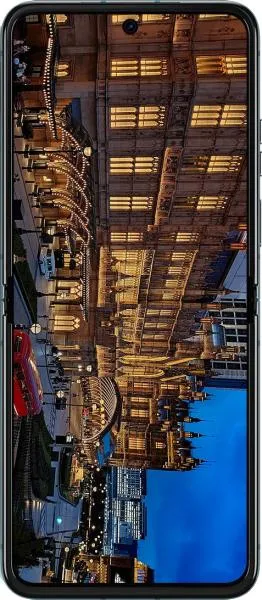

1. Specifications Comparison
| Feature | Motorola Razr 40 | ZTE nubia Z60 Ultra | Practical Impact |
|---|---|---|---|
| Design | |||
| Dimensions (mm) | 170.8 x 74 x 7.4 (folded) | 164 x 76.4 x 8.8 | Razr 40 significantly more compact when folded, easier to pocket; Z60 Ultra thinner when unfolded. |
| Weight (g) | 188.6 | 246 | Razr 40 noticeably lighter, more comfortable for extended use; Z60 Ultra feels more substantial. |
| Foldable | Yes | No | Razr 40 offers portability advantage; Z60 Ultra provides a traditional slab phone experience. |
| Display | |||
| Display Size (inches) | 6.9 | 6.8 | Negligible difference in screen real estate. |
| Resolution (pixels) | 1080 x 2640 | 1116 x 2480 | Similar pixel density; both offer sharp visuals. Razr 40 slightly taller aspect ratio. |
| Refresh Rate (Hz) | 144 | 120 | Razr 40 smoother animations and scrolling; difference may not be noticeable to all users. |
| Peak Brightness (nits) | 1400 | 1500 | Z60 Ultra slightly brighter outdoors; both offer excellent visibility. |
| Performance | |||
| Chipset | Snapdragon 7 Gen 1 | Snapdragon 8 Gen 3 | Z60 Ultra significantly more powerful, better for demanding tasks and gaming. |
| CPU | Octa-core (up to 2.4 GHz) | Octa-core (up to 3.3 GHz) | Z60 Ultra faster processing speeds, smoother multitasking and app loading. |
| GPU | Adreno 644 | Adreno 750 | Z60 Ultra superior graphics performance, crucial for high-end gaming. |
| RAM (GB) | 8 | 8/12/16/24 | Z60 Ultra offers configurations with more RAM, improving multitasking and demanding application performance. |
| Camera | |||
| Main Camera (MP) | 64 | 54 | Razr 40 higher resolution; Z60 Ultra uses a larger sensor (Sony IMX800) potentially offering better low-light performance. Image quality depends on processing and other factors not listed. |
| Ultrawide (MP) | 13 | 50 | Z60 Ultra significantly higher resolution ultrawide, capturing more detail. |
| Telephoto | No | 64 | Z60 Ultra offers optical zoom for better image quality at longer distances. |
| Video | Up to 4K@30fps | Up to 8K@30fps | Z60 Ultra capable of higher resolution video recording. |
| Battery | |||
| Capacity (mAh) | 4200 | 6000 | Z60 Ultra significantly larger battery, likely translating to much longer battery life. |
2. Key Differences Analysis
Motorola Razr 40 Advantages:
- Portability: The foldable design makes it significantly more compact.
- Lighter Weight: More comfortable for one-handed use and extended periods.
- Higher Refresh Rate Display: Smoother scrolling and animations. More responsive feel.
ZTE nubia Z60 Ultra Advantages:
- Significantly More Powerful: Superior performance for demanding tasks and gaming due to the Snapdragon 8 Gen 3.
- Larger Battery: Substantially longer battery life.
- More Versatile Camera System: Higher resolution ultrawide, telephoto lens for optical zoom, and 8K video recording.
- More RAM Options: Configurations available with up to 24GB, significantly improving multitasking and heavy application usage.
3. User Profiles & Recommendations
Motorola Razr 40: Users who prioritize portability and compactness above all else. Ideal for those who value a smaller phone that easily fits in pockets. Suitable for everyday tasks, social media, and casual gaming.
ZTE nubia Z60 Ultra: Power users, gamers, and photography enthusiasts. Best for those who demand top-tier performance, long battery life, and a versatile camera system.
4. Decision Framework
Key Questions for Buyers:
- How important is portability? If pocketability is paramount, the Razr 40 is the clear choice.
- What is your primary usage? For demanding tasks, gaming, and photography, the Z60 Ultra's superior performance and camera are essential.
- What is your budget? While both are mid-range, specific pricing should be compared.
My Choice: ZTE nubia Z60 Ultra
While I appreciate the innovative design and portability of the Motorola Razr 40, the ZTE nubia Z60 Ultra is the better overall phone for my needs. The significantly more powerful Snapdragon 8 Gen 3, larger battery, and vastly superior camera system are decisive factors. I prioritize performance, battery life, and camera quality over ultimate portability. The inclusion of a telephoto lens and higher resolution ultrawide significantly enhances photographic capabilities, while the 8 Gen 3 ensures a smooth and future-proof experience. Though heavier, the Z60 Ultra's thin profile and larger display are appealing. The availability of higher RAM configurations further solidifies its position as a performance powerhouse.
