1. Specifications Comparison
| Feature | Motorola Razr 40 | ZTE nubia Red Magic 9S Pro | Practical Impact |
|---|---|---|---|
| Design | |||
| Dimensions (mm) | 170.8 x 74 x 7.4 (folded) | 164 x 76.4 x 8.9 | Razr 40 significantly more compact when folded, easier pocketability. Red Magic 9S Pro is larger and thicker. |
| Weight (g) | 188.6 | 229 | Razr 40 noticeably lighter, more comfortable for extended use and one-handed operation. |
| Foldable | Yes | No | Razr 40 offers a compact folded form factor. Red Magic 9S Pro offers a traditional slab design. |
| Display | |||
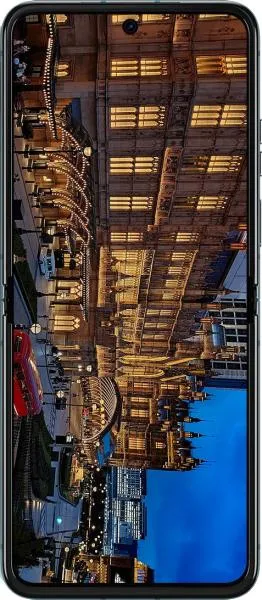
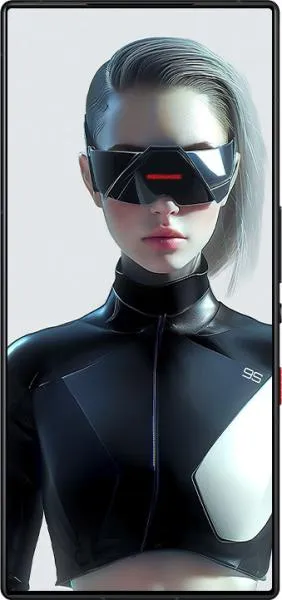
| Display Type | Foldable LTPO AMOLED | AMOLED | Razr 40 has a flexible display that folds in half. Red Magic 9S Pro has a standard rigid display. |
| Size (inches) | 6.9 | 6.8 | Negligible size difference in unfolded state. |
| Resolution | 1080 x 2640 | 1116 x 2480 | Similar sharpness; Razr 40 slightly taller aspect ratio. |
| Refresh Rate (Hz) | 144 | 120 | Razr 40 offers smoother scrolling and animations, but the difference might not be noticeable to all users. |
| Performance | |||
| Chipset | Snapdragon 7 Gen 1 | Snapdragon 8 Gen 3 | Red Magic 9S Pro boasts significantly faster CPU and GPU performance for demanding tasks and gaming. |
| CPU | Octa-core (up to 2.4 GHz) | Octa-core (up to 3.4 GHz) | Red Magic 9S Pro will handle multitasking and demanding apps much faster. |
| RAM (GB) | 8 | 12/16 | Red Magic 9S Pro offers more RAM, enabling better multitasking and smoother performance with memory-intensive applications. |
| Camera | |||
| Main Camera (MP) | 64 | 50 | While megapixels aren't everything, the Red Magic 9S Pro uses a larger sensor (Samsung GN5) which generally indicates better low-light performance and dynamic range. More information is needed to thoroughly compare camera quality. |
| Other Cameras | 13MP Wide + Macro, 32MP Selfie | 50MP Wide, 2MP Macro, 16MP Selfie | Red Magic 9S Pro offers a triple rear camera system, adding versatility with its dedicated macro lens. |
| Battery | |||
| Capacity (mAh) | 4200 | 6500 | Red Magic 9S Pro offers significantly longer battery life. |
2. Key Differences Analysis
Motorola Razr 40 Advantages:
- Portability: The foldable design makes it significantly more compact when folded.
- Lighter Weight: Noticeably lighter than the Red Magic 9S Pro, making it more comfortable for extended use.
- Higher Refresh Rate Display: Smoother scrolling and animations.
ZTE nubia Red Magic 9S Pro Advantages:
- Superior Performance: Significantly faster processor and more RAM for demanding tasks and gaming.
- Longer Battery Life: Much larger battery capacity.
- More Versatile Camera System: Triple rear cameras with a dedicated macro lens.
- More up-to-date software: Ships with Android 14 vs Android 13 on the Razr.
- Faster Charging & Data Transfer: USB 3.2 Gen 2 offers significantly faster charging and data speeds compared to USB 2.0 on the Razr 40
3. User Profiles & Recommendations
Motorola Razr 40: Users who prioritize portability and compactness above all else. Ideal for those who want a pocketable phone without sacrificing a large screen.
ZTE nubia Red Magic 9S Pro: Users who prioritize performance, battery life, and camera versatility. Ideal for mobile gamers, power users, and those who consume a lot of media.
4. Decision Framework
Key Questions for Buyers:
- How important is portability? If ultimate pocketability is paramount, the Razr 40 is the clear winner.
- What is your primary use case? For gaming, heavy multitasking, or media consumption, the Red Magic 9S Pro's performance and battery life are crucial.
- What is your budget? Consider the price difference between the two phones and whether the premium for the Red Magic 9S Pro's features is justified for your needs.
My Choice: ZTE nubia Red Magic 9S Pro
While the Razr 40's foldable design is appealing, the Red Magic 9S Pro offers a more well-rounded package for my needs. The significantly faster performance, substantially longer battery life, more versatile camera system, and more modern USB standard are compelling advantages. I prioritize performance and battery life over ultimate portability, and the Red Magic 9S Pro delivers in those areas. The newer Android version also ensures longer software support. While the Razr 40's form factor is unique, the performance gap and battery life difference would be significant factors in daily use.
