1. Specifications Comparison
| Feature | Motorola Razr 40 | ZTE Blade V60 Design | Practical Impact |
|---|---|---|---|
| Design | |||
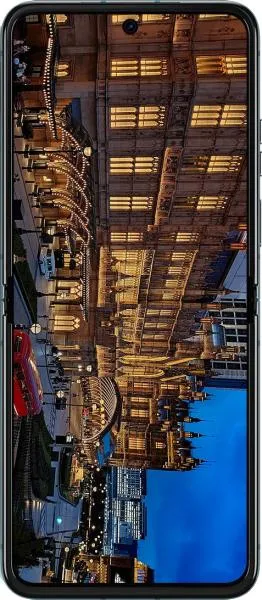
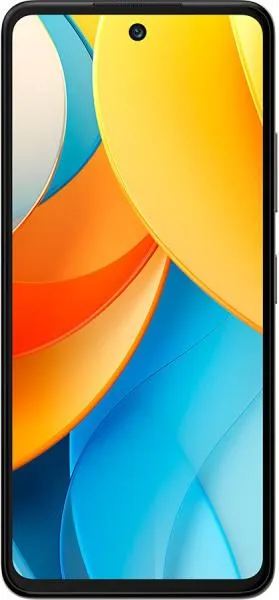
| Dimensions (mm) | 170.8 x 74 x 7.4 (folded) | 164.2 x 75.3 x 8.6 | Razr 40 significantly more compact when folded, easier pocketability. V60 Design is a traditional slab phone. |
| Weight (g) | 188.6 | 198 | Razr 40 slightly lighter despite foldable design. |
| Foldable | Yes | No | Razr 40 offers a smaller footprint when closed, potentially more durable screen due to being protected when not in use. |
| Display | |||
| Display Type | Foldable LTPO AMOLED | IPS LCD | Razr 40: superior contrast, deeper blacks, brighter colors, and more power efficient. V60 Design: more affordable, potentially better visibility in direct sunlight. |
| Size (inches) | 6.9 | 6.6 | Razr 40 offers larger screen real estate for media consumption and multitasking. |
| Resolution | 1080 x 2640 | 720 x 1612 | Razr 40: sharper, more detailed visuals due to much higher resolution. |
| Refresh Rate (Hz) | 144 | 90 | Razr 40: smoother animations and scrolling, enhanced gaming experience. |
| PPI | 413 | 267 | Razr 40: noticeably sharper and more detailed images and text. |
| Performance | |||
| Chipset | Snapdragon 7 Gen 1 (4nm) | Unisoc T606 (12nm) | Razr 40: significantly faster CPU and GPU performance, better power efficiency, smoother multitasking, and improved gaming. |
| CPU | Octa-core (1x2.4 GHz Cortex-A710 & 3x2.36 GHz Cortex-A710 & 4x1.8 GHz Cortex-A510) | Octa-core (2x1.6 GHz Cortex-A75 & 6x1.6 GHz Cortex-A55) | Razr 40: much faster and more efficient CPU, better for demanding tasks. |
| RAM (GB) | 8 | 4/6 | Razr 40: more RAM allows for smoother multitasking and less frequent app reloading. |
| Camera | |||
| Main Camera (MP) | 64 | 50 | Resolution difference is minimal in real-world usage. Image quality will depend more on sensor quality, processing, and other factors not listed. |
| Video Recording | 4K@30fps with EIS | 1080p@30fps | Razr 40: significantly higher resolution video recording. EIS on both should improve video stability. |
| Battery | |||
| Capacity (mAh) | 4200 | 5000 | V60 Design has a larger battery capacity, potentially longer battery life. However, Razr 40's more efficient processor might offset this difference. |
2. Key Differences Analysis
Motorola Razr 40 Advantages:
- Significantly more powerful: Superior processor and more RAM for smoother performance in demanding tasks and gaming.
- Higher quality display: Foldable AMOLED with higher resolution, refresh rate, and better color accuracy.
- More compact when folded: Easier portability and unique form factor.
ZTE Blade V60 Design Advantages:
- Larger battery: Potentially longer battery life.
- Lower price: More budget-friendly option.
3. User Profiles & Recommendations
Motorola Razr 40: Users who value portability, cutting-edge technology, a premium display, and strong performance, even at a higher price point. Ideal for those who want a compact phone without sacrificing screen size or performance.
ZTE Blade V60 Design: Budget-conscious users prioritizing affordability and potentially longer battery life over high-end specs and features. Suitable for basic tasks like calling, texting, web browsing, and social media.
4. Decision Framework
Key Questions for Buyers:
- What is your budget? The Razr 40 is significantly more expensive.
- Is portability a top priority? The foldable Razr 40 offers a unique advantage in pocketability.
- Do you require high performance for gaming or demanding tasks? The Razr 40 is the clear winner in performance.
My Choice: Motorola Razr 40
While the ZTE Blade V60 Design offers a lower price and larger battery, the Motorola Razr 40 is the superior device overall. Its foldable design, vastly superior performance (thanks to the Snapdragon 7 Gen 1 and 8GB of RAM), and the stunning high refresh rate AMOLED display make it a more compelling choice. The compact form factor without sacrificing screen size is a huge advantage for me. While battery life is a concern, the more efficient processor might compensate for the smaller battery capacity. The higher price is justified by the significant jump in quality and features. I value the innovative design, premium feel, and performance boost the Razr 40 offers.
