1. Specifications Comparison
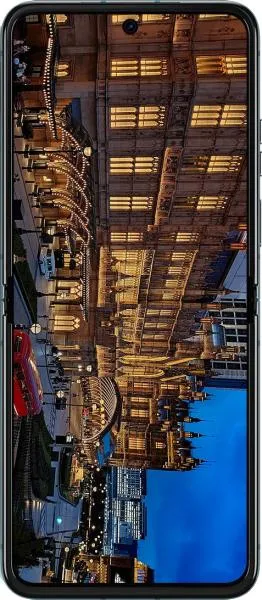
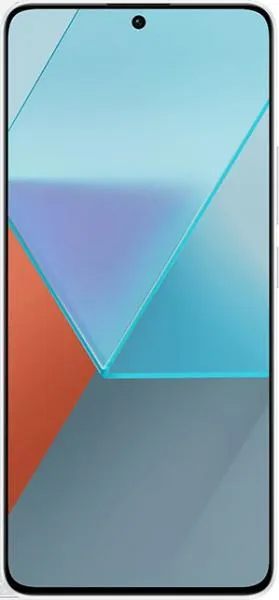
| Feature | Motorola Razr 40 | Xiaomi Redmi Note 13 Pro | Practical Impact |
|---|---|---|---|
| Design | |||
| Form Factor | Foldable | Standard | Razr 40 offers portability and a unique form factor, Redmi Note 13 Pro is a traditional slab phone. |
| Dimensions (mm) | 170.8 x 74 x 7.4 (folded) | 161.2 x 74.2 x 8 | Razr 40 is significantly more compact when folded but thicker when unfolded. Redmi Note 13 Pro is thinner overall when unfolded. |
| Weight (g) | 188.6 | 187 | Negligible weight difference. |
| Display | |||
| Display Type | Foldable LTPO AMOLED | AMOLED | Razr 40's foldable display allows for a larger screen in a smaller device. Redmi Note 13 Pro offers a larger, uninterrupted display. |
| Size (inches) | 6.9 | 6.67 | Razr 40 has a slightly larger main display. |
| Resolution | 1080 x 2640 | 1220 x 2712 | Redmi Note 13 Pro has a sharper display with higher pixel density (446 ppi vs 413 ppi). |
| Refresh Rate (Hz) | 144 | 120 | Razr 40 offers smoother scrolling and animations. |
| Peak Brightness (nits) | 1400 | 1800 | Redmi Note 13 Pro's display is significantly brighter in direct sunlight. |
| Performance | |||
| Chipset | Snapdragon 7 Gen 1 | Snapdragon 7s Gen 2 | Both offer mid-range performance, but benchmarks would be needed to determine real-world differences. |
| CPU | Octa-core (1x2.4 GHz Cortex-A710 & 3x2.36 GHz Cortex-A710 & 4x1.8 GHz Cortex-A510) | Octa-core (4x2.40 GHz Cortex-A78 & 4x1.95 GHz Cortex-A55) | Architecture differences exist; benchmarks are needed for accurate performance comparison. |
| RAM (GB) | 8 | 8/12/16 | Redmi Note 13 Pro offers configurations with more RAM, potentially improving multitasking. |
| Camera | |||
| Main Camera (MP) | 64 | 200 | Redmi Note 13 Pro boasts a much higher resolution main sensor, potentially capturing more detail. |
| Ultrawide (MP) | 13 | 8 | Razr 40 has a higher resolution ultrawide. |
| Selfie Camera (MP) | 32 | 16 | Razr 40 has a higher resolution selfie camera. |
| Battery | |||
| Capacity (mAh) | 4200 | 5100 | Redmi Note 13 Pro has significantly larger battery capacity, likely translating to longer battery life. |
2. Key Differences Analysis
Motorola Razr 40 Advantages:
- Portability: The foldable design makes it incredibly compact when folded.
- High Refresh Rate Display: Smoother animations and scrolling.
- Unique Form Factor: Offers a distinctive and stylish alternative to traditional smartphones.
Xiaomi Redmi Note 13 Pro Advantages:
- Larger Battery: Significantly longer battery life.
- Sharper, Brighter Display: More detailed and easier to view outdoors.
- Higher Resolution Main Camera: Potential for more detailed photos and better low-light performance.
- More RAM Options: Configurations with higher RAM improve multitasking and future-proof the device.
3. User Profiles & Recommendations
Motorola Razr 40: Ideal for users who prioritize portability and style above all else. Best for those who value having a large screen that can easily fit in a pocket or small bag.
Xiaomi Redmi Note 13 Pro: Suitable for users who prioritize battery life, camera quality, and a large, bright display. Excellent for multimedia consumption, gaming, and photography enthusiasts.
4. Decision Framework
Key Questions for Buyers:
- Form Factor Priority: Is portability and a unique design paramount, or is a traditional slab phone preferred?
- Battery Life Importance: How crucial is all-day battery life without needing to recharge?
- Budget: Considering the price difference, which phone offers the best value for your specific needs?
Scenario-Based Recommendations:
- Frequent Traveler: Razr 40 for its compact size.
- Heavy Media Consumer: Redmi Note 13 Pro for its larger battery and display.
- Budget-Conscious Buyer: Requires a thorough price comparison considering storage and RAM options.
My Choice: Xiaomi Redmi Note 13 Pro
While the Razr 40's foldable design is appealing, the Redmi Note 13 Pro offers a more well-rounded package for my needs. The significantly larger battery, sharper and brighter display, higher resolution main camera, and potential for more RAM make it a more practical choice for everyday use. I prioritize battery life and a great media consumption experience, and the Redmi Note 13 Pro delivers in those areas. The price-to-performance ratio also seems to favor the Redmi Note 13 Pro, given its superior specifications in key areas. While I appreciate the Razr's innovative design, the practical benefits of the Redmi Note 13 Pro outweigh the novelty factor for me.
