1. Specifications Comparison
| Feature | Motorola Razr 40 | Xiaomi Redmi Note 13 4G | Practical Impact |
|---|---|---|---|
| Design | |||
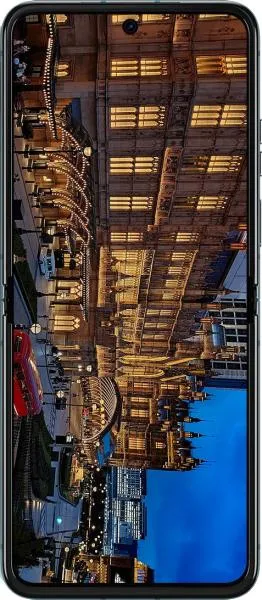
| Form Factor | Foldable | Standard Slab | Razr 40 offers portability and a unique form factor, potentially sacrificing durability. Redmi Note 13 4G provides a familiar, potentially more robust design. |
| Dimensions (mm) | 170.8 x 74 x 7.4 (unfolded) | 162.3 x 75.6 x 8 | Razr 40 is significantly more compact when folded but larger unfolded. Redmi Note 13 4G has a larger footprint overall. |
| Weight (g) | 188.6 | 188.5 | Negligible weight difference. |
| Display | |||
| Display Type | Foldable LTPO AMOLED | AMOLED | Razr 40's foldable display allows for a larger screen in a smaller device. Both offer vibrant colors and deep blacks typical of AMOLED technology. |
| Size (inches) | 6.9 | 6.67 | Razr 40 provides a slightly larger main display. |
| Resolution | 1080 x 2640 | 1080 x 2400 | Similar pixel density, resulting in sharp visuals on both. Razr 40's taller aspect ratio is better suited for scrolling web pages, while Redmi Note 13's is closer to a traditional widescreen. |
| Refresh Rate (Hz) | 144 | 120 | Razr 40 offers smoother animations and scrolling. |
| Peak Brightness (nits) | 1400 | 1800 | Redmi Note 13 4G offers better outdoor visibility. |
| Performance | |||
| Chipset | Snapdragon 7 Gen 1 (4 nm) | Snapdragon 685 (6 nm) | Razr 40 offers significantly better performance in demanding tasks and gaming due to a more powerful CPU and GPU. |
| CPU | Octa-core (1x2.4 GHz + 3x2.36 GHz + 4x1.8 GHz) | Octa-core (4x2.8 GHz + 4x1.9 GHz) | Razr 40's CPU architecture provides a better balance of performance and efficiency. |
| RAM (GB) | 8 | 8 | Same RAM capacity, enabling smooth multitasking on both devices. |
| Camera | |||
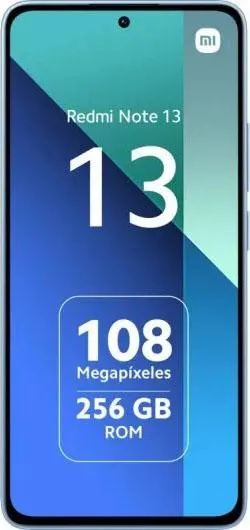
| Main Camera | 64MP | 108MP | Redmi Note 13 4G boasts higher resolution, potentially capturing more detail. Image quality is influenced by factors beyond resolution, such as sensor size and processing algorithms. We lack details to fully compare image quality. |
| Video | 4K@30fps with EIS | 1080p@30fps | Razr 40 offers higher resolution video recording and Electronic Image Stabilization (EIS). |
| Battery | |||
| Capacity (mAh) | 4200 | 5000 | Redmi Note 13 4G offers significantly longer battery life. |
2. Key Differences Analysis
Motorola Razr 40 Advantages:
- Portability and Unique Design: The foldable design offers unmatched portability.
- Superior Performance: Snapdragon 7 Gen 1 provides a noticeable performance advantage for demanding tasks and gaming.
- Higher Refresh Rate Display: Smoother scrolling and animations with the 144Hz display.
- Higher Resolution Video Recording: 4K video recording capability.
Xiaomi Redmi Note 13 4G Advantages:
- Longer Battery Life: Larger battery capacity translates to significantly longer usage time.
- Higher Resolution Main Camera: Potential for more detailed images (dependent on other factors not specified).
- Brighter Display: Better visibility in direct sunlight.
- Lower Price: Typically more affordable than the Razr 40.
Trade-offs:
- Razr 40: Sacrifices battery life and durability for portability and unique design. Higher price.
- Redmi Note 13 4G: Less powerful, lower resolution video recording, less portable.
3. User Profiles & Recommendations
Motorola Razr 40: Ideal for users who prioritize portability and style, value a compact device, and are willing to compromise on battery life and potentially durability for the foldable form factor. Suitable for users who consume media, play games moderately, and need a powerful device in a compact package.
Xiaomi Redmi Note 13 4G: Ideal for budget-conscious users who prioritize battery life and a large screen. Suitable for everyday tasks, media consumption, and casual gaming. Good for users who don't need the absolute latest processing power.
4. Decision Framework
Key Questions for Buyers:
- How important is portability? A foldable phone offers significant advantages in portability.
- What is your budget? The Razr 40 is positioned in a higher price bracket.
- What are your primary use cases? Demanding tasks and gaming benefit from the Razr 40's superior performance, while basic tasks and long battery life favor the Redmi Note 13 4G.
Scenario-Based Recommendations:
- Frequent Traveler: Razr 40's portability is a significant advantage.
- Heavy Gamer: Razr 40's superior performance is crucial.
- Budget-Conscious User: Redmi Note 13 4G offers excellent value.
- Power User: Razr 40 offers better performance for demanding tasks.
My Choice: Motorola Razr 40
While the Redmi Note 13 4G offers compelling value, I would choose the Motorola Razr 40. The foldable form factor is a significant advantage for me, as I prioritize portability and appreciate unique designs. The performance boost offered by the Snapdragon 7 Gen 1, coupled with the smoother 144Hz display, greatly enhances the user experience for my typical usage, which includes web browsing, media consumption, and moderate gaming. I'm willing to compromise on battery life for the significant gains in portability and performance. The higher price is justifiable for the innovative technology and premium experience offered by the Razr 40. I also value having 4K video recording for capturing higher-quality memories.
