1. Specifications Comparison
| Feature | Motorola Razr 40 | Xiaomi Redmi A3x | Practical Impact |
|---|---|---|---|
| Design | |||
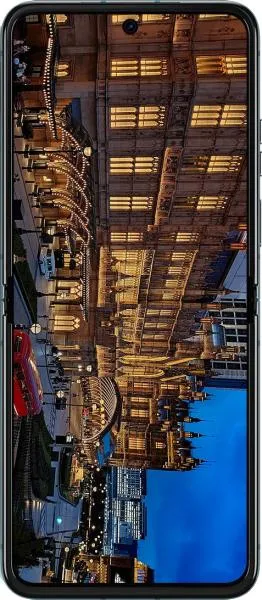
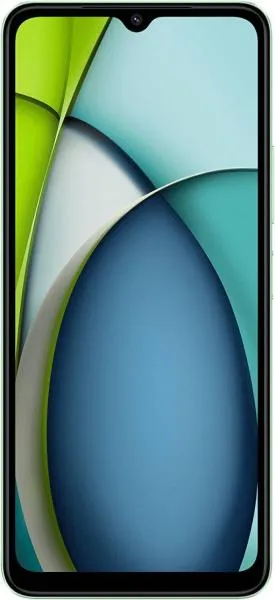
| Dimensions (mm) | 170.8 x 74 x 7.4 | 168.4 x 76.3 x 8.3 | Razr 40 is significantly thinner when folded, making it more pocketable; Redmi A3x is slightly shorter and wider overall. |
| Weight (g) | 188.6 | 193 | Negligible weight difference in practical use. |
| Foldable | Yes | No | Razr 40 offers a compact folded size and a larger screen when unfolded. |
| Display | |||
| Display Type | Foldable LTPO AMOLED | IPS LCD | Razr 40's AMOLED offers deeper blacks, more vibrant colors, and potentially better power efficiency due to LTPO; Redmi A3x's LCD might be brighter in direct sunlight. The Razr's foldable screen offers a unique form factor. |
| Size (inches) | 6.9 | 6.71 | Similar screen sizes overall, but Razr 40 provides a larger usable area when unfolded. |
| Resolution | 1080 x 2640 | 720 x 1650 | Razr 40 has a much sharper display with higher pixel density (413 ppi vs 268 ppi), resulting in clearer text and images. |
| Refresh Rate (Hz) | 144 | 90 | Razr 40 provides smoother animations and scrolling. |
| Performance | |||
| Chipset | Snapdragon 7 Gen 1 (4 nm) | Unisoc T603 (22 nm) | Razr 40 offers significantly better performance in demanding tasks and gaming due to a more powerful chipset. |
| CPU | Octa-core (1x2.4 GHz Cortex-A710 & 3x2.36 GHz Cortex-A710 & 4x1.8 GHz Cortex-A510) | Octa-core 1.8 GHz | Razr 40's CPU architecture is superior, resulting in faster processing speeds and better multitasking. More detailed core configuration on the Razr allows for efficient task distribution. |
| GPU | Adreno 644 | Mali-G57 MP1 | Razr 40 will provide a considerably better gaming experience with higher frame rates and smoother visuals. |
| RAM (GB) | 8 | 4 | Razr 40 offers better multitasking capabilities and smoother performance with more RAM. |
| Camera | |||
| Main Camera (MP) | 64 | 8 | Razr 40's main camera will capture significantly more detailed photos and videos. |
| Secondary Camera (MP) | 13 (Wide + Macro) | 0.1 (Unspecified) | Razr 40 offers a usable ultrawide/macro lens; the functionality of Redmi A3x's secondary camera is unclear. |
| Video Recording | 4K@30fps | 1080p@30fps | Razr 40 can record higher resolution videos. |
| Battery | |||
| Capacity (mAh) | 4200 | 5000 | Redmi A3x has a larger battery capacity, potentially offering longer battery life, but real-world usage will depend on software optimization and usage patterns. Foldable phones generally have shorter battery life. |
2. Key Differences Analysis
Motorola Razr 40 Advantages:
- Significantly more powerful: Superior chipset, CPU, GPU, and more RAM translate to a smoother user experience, better gaming performance, and faster app loading.
- Higher quality display: Foldable AMOLED with a higher resolution, refresh rate, and richer colors offers a more immersive visual experience.
- More versatile camera system: Higher resolution main sensor and a usable secondary wide/macro lens enable better photography.
- Premium Design: Foldable design provides portability and a large screen when needed.
Xiaomi Redmi A3x Advantages:
- Potentially longer battery life: Larger battery capacity may result in extended usage time between charges.
- Lower price: Significantly more affordable, making it accessible to budget-conscious consumers.
Trade-offs:
- Razr 40 sacrifices battery capacity for its slim, foldable design.
- Redmi A3x sacrifices performance, display quality, and camera capabilities for affordability.
3. User Profiles & Recommendations
Motorola Razr 40: Users who prioritize performance, a premium design, a high-quality display, and portability, and are willing to pay a premium. Ideal for:
- Professionals: Multitasking, content creation, media consumption on the go.
- Enthusiasts: Demanding mobile gamers, photography enthusiasts.
Xiaomi Redmi A3x: Users on a tight budget who prioritize basic functionality and long battery life. Ideal for:
- Casual users: Primarily using their phone for calling, texting, social media browsing, and light web browsing.
- Students: Budget-friendly option for communication and essential tasks.
4. Decision Framework
Key Questions for Buyers:
- What is your budget? The Redmi A3x is significantly cheaper.
- What are your primary use cases? Demanding tasks and media consumption favor the Razr 40, while basic communication favors the Redmi A3x.
- How important is portability and design? The foldable Razr 40 offers unique portability.
My Choice: Motorola Razr 40
While the Xiaomi Redmi A3x offers great value for its price, the Motorola Razr 40 is the superior device overall. Its significantly better performance, stunning display, more versatile camera, and unique foldable design make it a more compelling option for my needs. I prioritize a smooth user experience, a high-quality display for media consumption, and the ability to perform demanding tasks on my phone. The premium design and portability of the Razr 40 are also highly appealing. While the battery capacity is smaller, I'm willing to compromise on battery life for the significant advantages the Razr 40 offers in other areas. The price difference is substantial, but the Razr 40 offers a significant upgrade in user experience that justifies the cost for me.
