1. Specifications Comparison
| Feature | Motorola Razr 40 | Xiaomi Redmi A3 | Practical Impact |
|---|---|---|---|
| Design | |||
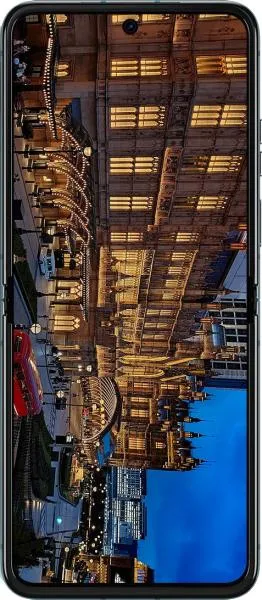
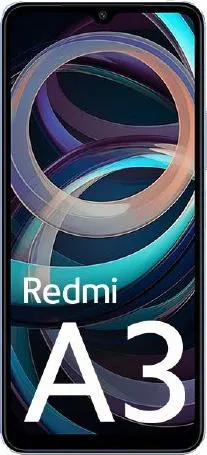
| Dimensions (mm) | 170.8 x 74 x 7.4 | 168.3 x 76.3 x 8.3 | Razr 40 is significantly thinner, especially when folded, making it more pocketable. Redmi A3 is larger overall. |
| Weight (g) | 188.6 | 193 | Razr 40 is slightly lighter despite the folding mechanism. |
| Foldable | Yes | No | Razr 40 offers a compact folded size for portability. |
| Display | |||
| Display Type | Foldable LTPO AMOLED | IPS LCD | Razr 40's AMOLED offers superior contrast, deeper blacks, and potentially better power efficiency due to LTPO (although spec sheet incorrectly lists is_ltpo as false). Redmi A3's IPS LCD is a more basic technology. |
| Size (inches) | 6.9 | 6.71 | Similar screen sizes overall, but Razr 40's folding design changes usability. |
| Resolution | 1080 x 2640 | 720 x 1650 | Razr 40 has a much sharper display (413 ppi vs 268 ppi), resulting in crisper text and images. |
| Refresh Rate (Hz) | 144 | 90 | Razr 40 offers smoother animations and scrolling. |
| Performance | |||
| Chipset | Snapdragon 7 Gen 1 (4 nm) | Helio G36 (12 nm) | Razr 40 boasts a significantly more powerful and efficient processor, enabling smoother multitasking and better gaming performance. |
| CPU | Octa-core (1x2.4 GHz A710 & 3x2.36 GHz A710 & 4x1.8 GHz A510) | Octa-core (4x2.2 GHz A53 & 4x1.6 GHz A53) | Razr 40's CPU architecture is more modern and powerful, leading to a noticeably faster and more responsive experience. |
| GPU | Adreno 644 | PowerVR GE8320 | Razr 40's GPU is considerably more capable for gaming and graphically demanding tasks. |
| RAM (GB) | 8 | 3/4/6 | Razr 40's 8GB RAM ensures smoother multitasking and better performance with demanding apps. Redmi A3 offers different RAM options, impacting performance. |
| Camera | |||
| Main Camera (MP) | 64 | 8 | Razr 40's main camera offers much higher resolution, potentially capturing more detail. |
| Video Recording | 4K@30fps | 1080p@30fps | Razr 40 can record higher resolution video. |
| Battery | |||
| Capacity (mAh) | 4200 | 5000 | Redmi A3 has a larger battery capacity, likely providing longer battery life. However, Razr 40's more efficient processor and AMOLED display could offset this difference. |
2. Key Differences Analysis
Motorola Razr 40 Advantages:
- Significantly more powerful: Superior processor, GPU, and RAM for a smoother and faster user experience.
- Higher quality display: Sharper, smoother, and with better contrast.
- More compact when folded: Increased portability.
- Better camera: Higher resolution main camera and 4K video recording.
Xiaomi Redmi A3 Advantages:
- Lower price: Significantly more affordable.
- Larger battery capacity: Potential for longer battery life.
Trade-offs:
- Razr 40: Higher price for premium features and foldable design. Smaller battery capacity than Redmi A3.
- Redmi A3: Lower performance and display quality for a more affordable price.
3. User Profiles & Recommendations
Motorola Razr 40: Users who value portability, performance, and a high-quality display and are willing to pay a premium. Ideal for professionals, content creators, or anyone who wants a compact yet powerful device.
Xiaomi Redmi A3: Budget-conscious users who prioritize basic functionality and long battery life over high performance. Suitable for casual users primarily focused on communication, web browsing, and light media consumption.
4. Decision Framework
Key Questions for Buyers:
- What is your budget? The Razr 40 is significantly more expensive.
- What level of performance do you need? The Razr 40 offers a vastly superior performance experience.
- How important is portability? The Razr 40's foldable design offers a unique advantage in portability.
My Choice: Motorola Razr 40
While the Redmi A3 provides excellent value for its price, the Motorola Razr 40 is the clear winner for me. The significantly improved performance, higher quality display, and unique foldable design outweigh the price difference and smaller battery. I value a smooth and responsive user experience, a sharp display for media consumption, and the convenience of a pocketable device. The Snapdragon 7 Gen 1, coupled with 8GB of RAM, ensures that the phone can handle demanding tasks and multitasking with ease. The foldable form factor is a compelling feature that adds to its portability without sacrificing screen real estate. While the battery is smaller, the more efficient processor and AMOLED display mitigate this to an acceptable degree for my usage patterns. The Redmi A3 is a great budget option, but the Razr 40's premium features align better with my priorities.
