1. Specifications Comparison
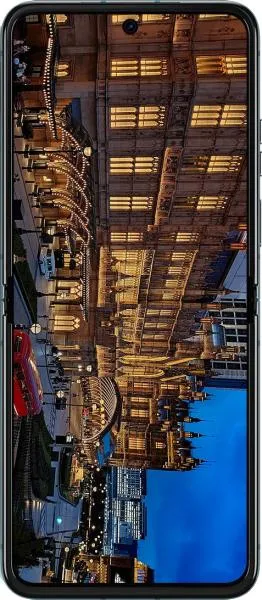
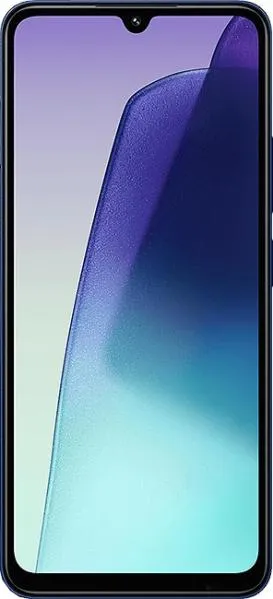
| Feature | Motorola Razr 40 | Xiaomi Redmi 14C | Practical Impact |
|---|---|---|---|
| Design | |||
| Dimensions (mm) | 170.8 x 74 x 7.4 (folded) | 171.9 x 77.8 x 8.2 | Razr 40 significantly more compact when folded, pocketable; Redmi 14C larger, traditional slab design. |
| Weight (g) | 188.6 | 211 | Razr 40 lighter, more comfortable for extended use and one-handed operation. |
| Foldable | Yes | No | Razr 40 offers a larger screen in a smaller footprint; Redmi 14C offers a simpler, more durable design. |
| Display | |||
| Display Type | Foldable LTPO AMOLED | IPS LCD | Razr 40: superior contrast, deeper blacks, brighter colors, power efficient; Redmi 14C: wider viewing angles, potentially better in direct sunlight. |
| Size (inches) | 6.9 | 6.88 | Negligible difference in screen real estate. |
| Resolution | 1080 x 2640 | 720 x 1640 | Razr 40: sharper, more detailed content; Redmi 14C: noticeable pixelation, less clarity. |
| Refresh Rate (Hz) | 144 | 120 | Razr 40: smoother animations, more responsive gaming experience; Redmi 14C: still smooth, but less so than the Razr 40. |
| Performance | |||
| Chipset | Snapdragon 7 Gen 1 | MediaTek Helio G81 Ultra | Razr 40: significantly faster CPU and GPU, better for demanding tasks and gaming. |
| CPU | Octa-core (1x2.4 GHz Cortex-A710 & 3x2.36 GHz Cortex-A710 & 4x1.8 GHz Cortex-A510) | Octa-core (2x2.0 GHz Cortex-A75 & 6x1.8 GHz Cortex-A55) | Razr 40: more powerful and efficient CPU architecture. |
| RAM (GB) | 8 | 4/6/8 (Variant dependent) | Razr 40: better multitasking, smoother performance; impact on Redmi 14C depends on the specific variant. |
| Camera | |||
| Main Camera (MP) | 64 | 50 | Razr 40: potentially better detail and low-light performance; real-world image quality depends on sensor and processing. |
| Secondary Camera (MP) | 13 (Wide + Macro) | 0.8 (Depth Sensor - practically useless) | Razr 40: more versatile secondary camera; Redmi 14C's depth sensor offers limited practical benefit. |
| Video Recording | 4K@30fps | 1080p@30fps | Razr 40: higher resolution video recording. |
| Battery | |||
| Capacity (mAh) | 4200 | 5160 | Redmi 14C: significantly larger battery capacity, likely longer battery life; Razr 40: foldable design constraints limit battery size. |
2. Key Differences Analysis
Motorola Razr 40 Advantages:
- Form Factor: Significantly more compact and pocketable due to the foldable design.
- Performance: Superior processing power for demanding tasks and gaming.
- Display: Higher resolution, refresh rate, and AMOLED technology for a premium visual experience.
- More Versatile Camera System: Offers a usable ultra-wide and macro lens.
Xiaomi Redmi 14C Advantages:
- Battery Life: Larger battery capacity, potentially lasting much longer on a single charge.
- Price: Likely to be significantly cheaper than the Razr 40.
- Durability: Traditional slab design might be more durable than a foldable phone.
Trade-offs:
- Razr 40 sacrifices battery life and durability for portability and premium features.
- Redmi 14C compromises performance and display quality for affordability and potentially longer battery life.
3. User Profiles & Recommendations
Motorola Razr 40: Ideal for users who prioritize portability, style, and performance, and are willing to pay a premium for a foldable design. Suitable for users who value a compact device for on-the-go use, social media, media consumption, and even light gaming.
Xiaomi Redmi 14C: Best suited for budget-conscious users who prioritize battery life and basic functionality. Ideal for users who primarily use their phone for calling, texting, browsing, and light media consumption.
4. Decision Framework
Key Questions for Buyers:
- Budget: How much are you willing to spend?
- Priority Features: Which features are most important to you (portability, performance, battery life, camera)?
- Usage Pattern: How do you typically use your phone (heavy gaming, lots of media consumption, basic communication)?
Scenario-Based Recommendations:
- Heavy User, Values Portability: Motorola Razr 40
- Budget-Conscious, Light User: Xiaomi Redmi 14C
- Gamer, High Media Consumption: Motorola Razr 40
- Longest Possible Battery Life: Xiaomi Redmi 14C
My Choice: Motorola Razr 40
While the Xiaomi Redmi 14C offers excellent battery life at a lower price, the Motorola Razr 40's superior performance, stunning display, and innovative foldable design are more compelling to me. I value portability and a premium user experience, and I am willing to compromise on battery life to achieve that. The significantly faster processor, higher resolution display, and smoother refresh rate would make everyday tasks and media consumption more enjoyable. The foldable form factor aligns with my preference for a pocketable device. The price difference is significant, but the Razr 40 offers a substantial upgrade in overall quality and user experience. The Redmi 14C feels like a device focused purely on budget, sacrificing too much in terms of performance and display quality.
