1. Specifications Comparison
| Feature | Motorola Razr 40 | Xiaomi Redmi 13C 5G | Practical Impact |
|---|---|---|---|
| Design | |||
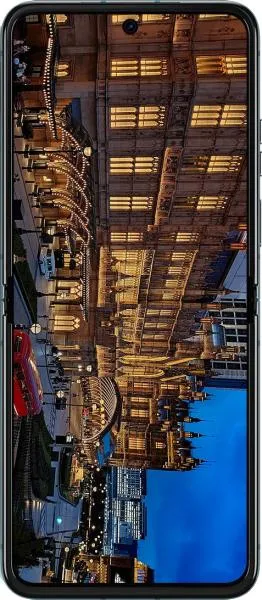
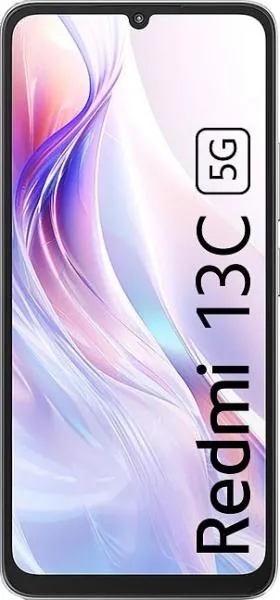
| Dimensions (mm) | 170.8 x 74 x 7.4 | 168 x 78 x 8.1 | Razr 40 significantly thinner when folded, more pocketable; Redmi 13C larger footprint overall. |
| Weight (g) | 188.6 | 192 | Razr 40 slightly lighter despite foldable design. |
| Foldable | Yes | No | Razr 40 offers compact portability when folded, larger screen when unfolded. Redmi 13C is a traditional slab phone. |
| Display | |||
| Display Type | Foldable LTPO AMOLED | IPS LCD | Razr 40: superior blacks, vibrant colors, power efficiency; Redmi 13C: less vibrant, wider viewing angles potentially. Data contradicts LTPO claim in display name. |
| Size (inches) | 6.9 | 6.74 | Comparable screen real estate when unfolded, but Razr 40 offers a secondary external display for quick interactions. |
| Resolution | 1080 x 2640 | 720 x 1600 | Razr 40: significantly sharper, more detailed visuals; Redmi 13C: noticeable pixelation, especially with text and images. |
| Refresh Rate (Hz) | 144 | 90 | Razr 40: smoother animations, scrolling, and gaming experience; Redmi 13C: smoother than traditional 60Hz, but not as fluid as the Razr 40. |
| Performance | |||
| Chipset | Snapdragon 7 Gen 1 | Dimensity 6100+ | Razr 40: Generally better performance in demanding tasks and gaming. |
| CPU | Octa-core (1x2.4 GHz A710 & 3x2.36 GHz A710 & 4x1.8 GHz A510) | Octa-core (2x2.2 GHz A76 & 6x2.0 GHz A55) | Razr 40: More powerful CPU architecture, leading to faster app loading, multitasking, and overall responsiveness. |
| GPU | Adreno 644 | Mali-G57 MC2 | Razr 40: Superior graphics performance, beneficial for gaming and visually intensive applications. |
| RAM (GB) | 8 | 4/6/8 (Variant Dependent) | Razr 40: Better multitasking capabilities with the listed 8GB RAM, though Redmi offers varying RAM options. |
| Camera | |||
| Main Camera (MP) | 64 | 50 | Razr 40: Potentially better low-light performance and detail due to larger sensor size (not specified but likely), though megapixels alone aren't conclusive. |
| Ultrawide (MP) | 13 | N/A | Razr 40 offers ultrawide photography for capturing broader scenes, Redmi 13C lacks this feature. Secondary 0.8MP camera on Redmi 13C is likely a depth sensor with limited practical use. |
| Selfie Camera (MP) | 32 | 5 | Razr 40: Significantly higher resolution selfie camera, resulting in more detailed self-portraits. |
| Battery | |||
| Capacity (mAh) | 4200 | 5000 | Redmi 13C has larger battery capacity, potentially longer battery life, though actual usage varies greatly. Foldable displays often consume more power. |
2. Key Differences Analysis
Motorola Razr 40 Advantages:
- Form Factor: Foldable design provides unique portability and a larger screen when needed.
- Superior Display: AMOLED technology, higher resolution, and faster refresh rate offer a significantly better visual experience.
- Performance: More powerful chipset and GPU for smoother operation and demanding tasks.
Xiaomi Redmi 13C 5G Advantages:
- Battery Life: Larger battery capacity suggests longer usage time between charges.
- Price: Likely more affordable than the Razr 40, considering its specifications and market positioning.
3. User Profiles & Recommendations
Motorola Razr 40: Users who value portability, a premium design, a great display, and strong performance, and are willing to pay a premium for the foldable form factor. Ideal for those who prioritize pocketability without sacrificing screen size.
Xiaomi Redmi 13C 5G: Budget-conscious users prioritizing long battery life and basic functionality. Suitable for casual users focused on communication, social media, and light content consumption.
4. Decision Framework
Key Questions for Buyers:
- Budget: How much are you willing to spend?
- Form Factor: Do you prioritize portability and a compact design or a larger, traditional smartphone?
- Performance Needs: Do you require high performance for gaming, multitasking, or demanding applications?
Scenario-Based Recommendations:
- Limited Budget, Basic Usage: Redmi 13C 5G
- Prioritize Portability and Premium Experience: Razr 40
- Balanced Needs and Moderate Budget: Consider other options, as neither phone perfectly fits this scenario.
My Choice: Motorola Razr 40
While the Redmi 13C 5G offers excellent value for its price, the Motorola Razr 40 better suits my needs. I highly value the compactness and portability of the foldable design, coupled with the superior display and performance. The trade-off in battery capacity is acceptable for the significant gains in user experience. The AMOLED screen, higher resolution, and 144Hz refresh rate are significant factors in my decision. While more expensive, the Razr 40 offers a more compelling overall package for my usage patterns, which prioritize portability, a great multimedia experience, and smooth performance. The novelty and functionality of the foldable design are compelling.
