1. Specifications Comparison
| Feature | Motorola Razr 40 | Xiaomi Redmi 13 | Practical Impact |
|---|---|---|---|
| Design | |||
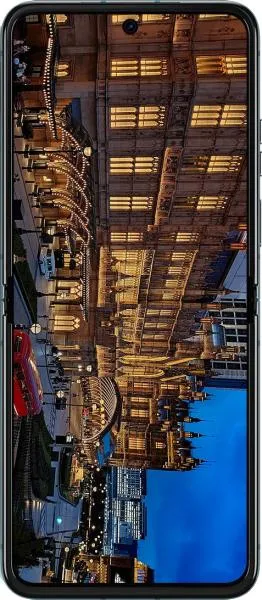
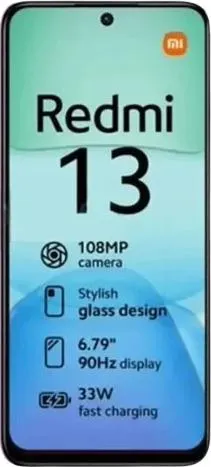
| Dimensions (mm) | 170.8 x 74 x 7.4 (folded) | 168.6 x 76.3 x 8.3 | Razr 40 significantly more compact when folded, easier pocketability. Redmi 13 is a traditional slab design. |
| Weight (g) | 188.6 | 205 | Razr 40 lighter, more comfortable for extended use. |
| Foldable | Yes | No | Razr 40 offers a larger screen in a smaller form factor, but with potential durability concerns. |
| Display | |||
| Display Type | Foldable LTPO AMOLED | IPS LCD | Razr 40: Superior contrast, deeper blacks, and potentially better power efficiency. Redmi 13: Wider viewing angles, potentially better visibility in direct sunlight. |
| Size (inches) | 6.9 | 6.79 | Negligible difference in screen real estate. |
| Resolution (px) | 1080 x 2640 | 1080 x 2460 | Similar pixel density, sharpness comparable. |
| Refresh Rate (Hz) | 144 | 90 | Razr 40: Smoother animations and scrolling. Redmi 13: Still smooth, but less so than the Razr 40. Potentially better battery life. |
| Performance | |||
| Chipset | Snapdragon 7 Gen 1 (4nm) | Helio G91 Ultra (12nm) | Razr 40: More powerful and power-efficient processor, leading to better performance and battery life. |
| CPU | Octa-core (1x2.4 GHz A710 & 3x2.36 GHz A710 & 4x1.8 GHz A510) | Octa-core (2x2.0 GHz A75 & 6x1.8 GHz A55) | Razr 40: Newer CPU architecture, significantly better performance in demanding tasks and multitasking. |
| GPU | Adreno 644 | Mali-G52 MC2 | Razr 40: Superior graphics performance for gaming and media consumption. |
| RAM (GB) | 8 | 6/8 | 8GB variant of both provides ample memory for multitasking. 6GB on Redmi 13 could lead to occasional slowdowns. |
| Camera | |||
| Main Camera (MP) | 64 | 108 | Redmi 13 boasts higher resolution, potentially capturing more detail. Image quality depends on sensor and processing, not just megapixels. |
| Video Recording | 4K@30fps with EIS | 1080p@30fps | Razr 40: Higher resolution video recording. Both have EIS for stable footage. |
| Battery | |||
| Capacity (mAh) | 4200 | 5030 | Redmi 13 has a larger battery, likely resulting in longer battery life. Razr 40's foldable design and more efficient processor may offset this somewhat. |
2. Key Differences Analysis
Motorola Razr 40 Advantages:
- Form Factor: Foldable design offers portability and a larger screen in a compact package.
- Performance: Significantly more powerful processor and GPU for smoother overall experience and better gaming.
- Display Quality: AMOLED display offers superior contrast and vibrant colors.
- Higher Refresh Rate: 144Hz provides smoother scrolling and animations.
Xiaomi Redmi 13 Advantages:
- Battery Life: Larger battery capacity suggests longer usage time.
- Price: Positioned in the low price range, offering great value for money.
- Main Camera Resolution: Higher megapixel count on the main camera.
Trade-offs:
- Razr 40: Higher price for foldable technology, potential durability concerns with the folding screen. Smaller battery capacity compared to Redmi 13.
- Redmi 13: Less powerful processor, lower refresh rate display, lower video recording resolution.
3. User Profiles & Recommendations
Motorola Razr 40: Ideal for users who prioritize portability and a unique form factor, value a high-quality display and strong performance, and are willing to pay a premium. Use cases: Frequent travelers, content creators who value portability, users who prioritize a compact phone.
Xiaomi Redmi 13: Best suited for budget-conscious users who prioritize battery life and a large screen. Use cases: Casual users, students, users primarily focused on communication and basic tasks.
4. Decision Framework
Key Questions:
- Budget: How much are you willing to spend?
- Form Factor: Do you prioritize portability and a unique foldable design or a traditional slab phone?
- Performance Needs: Do you require high performance for demanding tasks and gaming or primarily use your phone for basic tasks?
Scenario-Based Recommendations:
- Limited Budget, Basic Usage: Redmi 13.
- Prioritize Portability and Style, Budget Not a Major Constraint: Razr 40.
- Heavy Multitasker, Gamer: Razr 40.
- Longest Possible Battery Life: Redmi 13.
My Choice: Motorola Razr 40
While the Redmi 13 offers excellent value, I would choose the Motorola Razr 40. The superior performance, stunning AMOLED display with a high refresh rate, and the innovative foldable design are compelling. The compact size when folded is a major advantage for me. I am willing to pay the premium for the improved user experience and portability. While the battery capacity is smaller, the more efficient processor and LTPO display technology might mitigate this difference in real-world usage. The potential durability concerns of a foldable are a consideration, but the overall package offered by the Razr 40 outweighs this risk for me personally. The Redmi 13 is a great budget option, but the Razr 40 better suits my needs for a powerful and portable device.
