1. Specifications Comparison
| Feature | Motorola Razr 40 | Xiaomi Redmi 12 5G | Practical Impact |
|---|---|---|---|
| Design | |||
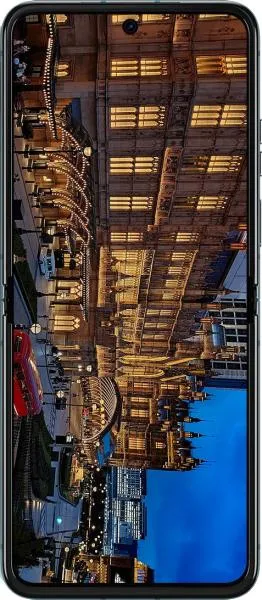
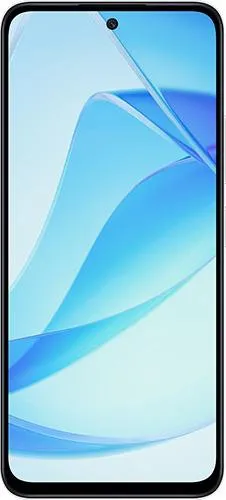
| Form Factor | Foldable | Standard | Razr 40 offers portability and a unique form factor, Redmi 12 5G is a traditional slab phone. |
| Dimensions (mm) | 170.8 x 74 x 7.4 | 168.6 x 76.3 x 8.2 | Razr 40 is significantly thinner when folded but taller when unfolded. Redmi 12 5G is thicker overall. |
| Weight (g) | 188.6 | 199 | Razr 40 is lighter despite the folding mechanism. |
| Display | |||
| Display Type | Foldable LTPO AMOLED | IPS LCD | Razr 40 boasts superior contrast, deeper blacks, and potential for power saving due to LTPO. Redmi 12 5G's LCD is less vibrant and consumes more power. |
| Display Size (inches) | 6.9 | 6.79 | Negligible difference in screen real estate when unfolded. |
| Resolution | 1080 x 2640 | 1080 x 2460 | Comparable sharpness. Razr 40 is slightly taller due to aspect ratio. |
| Refresh Rate (Hz) | 144 | 90 | Razr 40 provides a noticeably smoother scrolling and gaming experience. |
| Peak Brightness (nits) | 1400 | Not specified | Razr 40's significantly higher peak brightness ensures better outdoor visibility. Missing Redmi 12 5G data limits comparison. |
| Performance | |||
| Chipset | Snapdragon 7 Gen 1 (4nm) | Snapdragon 4 Gen 2 (4nm) | Razr 40 offers significantly better performance in demanding tasks and gaming due to a more powerful chipset. |
| CPU | Octa-core (1x2.4 GHz Cortex-A710 & 3x2.36 GHz Cortex-A710 & 4x1.8 GHz Cortex-A510) | Octa-core (2x2.2 GHz Cortex-A78 & 6x1.95 GHz Cortex-A55) | Razr 40 has a more powerful and efficient CPU architecture. |
| GPU | Adreno 644 | Adreno 613 | Razr 40's GPU provides a significant advantage in graphics performance. |
| RAM (GB) | 8 | 4/6/8 (Variant dependent) | We are comparing the 8GB variant; both phones offer equal RAM in this configuration, ensuring smooth multitasking. |
| Camera | |||
| Main Camera (MP) | 64 | 50 | Razr 40's higher resolution main camera potentially offers more detail. However, image quality depends on factors beyond resolution. |
| Secondary Camera | 13MP Wide Angle + Macro | 2MP Depth Sensor | Razr 40 provides a more versatile secondary camera with wide-angle and macro capabilities. Redmi 12 5G's depth sensor is primarily for portrait mode. |
| Video Recording | 4K@30fps | 1080p@30fps | Razr 40 supports higher resolution video recording. |
| Battery | |||
| Capacity (mAh) | 4200 | 5000 | Redmi 12 5G has a larger battery capacity, potentially offering longer battery life. |
2. Key Differences Analysis
Motorola Razr 40 Advantages:
- Premium Foldable Design: Offers portability and a unique user experience.
- Superior Display: LTPO AMOLED with higher refresh rate and peak brightness provides a smoother and more vibrant visual experience.
- Significantly Better Performance: Snapdragon 7 Gen 1 and Adreno 644 ensure smooth multitasking and gaming.
- More Versatile Camera System: Offers wide-angle and macro capabilities.
Xiaomi Redmi 12 5G Advantages:
- Larger Battery Capacity: Potentially longer battery life.
- Lower Price: Offers a more budget-friendly option.
3. User Profiles & Recommendations
Motorola Razr 40: Ideal for users who value portability, a unique design, and a premium multimedia experience. Suitable for those who prioritize performance and are willing to pay a premium for a foldable device.
Xiaomi Redmi 12 5G: Best suited for budget-conscious users who prioritize battery life and basic functionality. Suitable for users who primarily use their phones for calling, texting, browsing, and light media consumption.
4. Decision Framework
Key Questions for Buyers:
- Budget: How much are you willing to spend?
- Form Factor: Do you prioritize portability and a unique design, or a traditional smartphone experience?
- Performance Needs: Do you require high performance for demanding tasks and gaming?
Scenario-Based Recommendations:
- Limited Budget, Basic Needs: Redmi 12 5G
- Prioritize Performance and Premium Experience: Razr 40
- Value Portability and Unique Design: Razr 40
My Choice: Motorola Razr 40
While the Redmi 12 5G offers excellent value for its price, I would choose the Motorola Razr 40. The foldable design, superior display, significantly better performance, and more versatile camera system outweigh the Redmi's larger battery and lower price for my personal needs. I value the portability and unique form factor of the Razr 40 and am willing to pay the premium for the enhanced user experience provided by the better display, chipset, and camera system. The smoother 144Hz refresh rate and vibrant AMOLED panel are crucial for me. While the battery is smaller, I'm willing to compromise slightly on battery life for the significant gains in other areas.
