
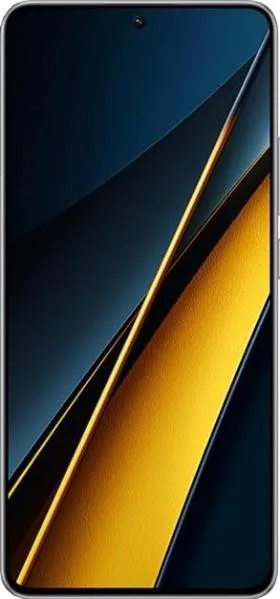
1. Specifications Comparison
| Feature | Motorola Razr 40 | Xiaomi Poco X6 Pro | Practical Impact |
|---|---|---|---|
| Design | |||
| Form Factor | Foldable | Standard | Razr 40 offers portability and a unique form factor, potentially sacrificing durability. Poco X6 Pro is a traditional slab phone, likely more robust. |
| Dimensions (mm) | 170.8 x 74 x 7.4 (folded) | 160.5 x 74.3 x 8.3 | Razr 40 is significantly more compact when folded, ideal for pockets. Poco X6 Pro is larger, offering a bigger screen. |
| Weight (g) | 188.6 | 186 | Negligible weight difference. |
| Display | |||
| Display Type | Foldable LTPO AMOLED | AMOLED | Razr 40's folding display allows for a large screen in a compact device, but introduces a crease. Poco X6 Pro offers a standard, potentially more durable screen. |
| Size (inches) | 6.9 | 6.67 | Razr 40 has a slightly larger main display. |
| Resolution | 1080 x 2640 | 1220 x 2712 | Poco X6 Pro has a sharper display with higher pixel density (446 ppi vs 413 ppi). |
| Refresh Rate (Hz) | 144 | 120 | Razr 40 offers smoother scrolling and animations, but may consume more battery. |
| Peak Brightness (nits) | 1400 | 1800 | Poco X6 Pro can get significantly brighter, improving outdoor visibility. |
| Performance | |||
| Chipset | Snapdragon 7 Gen 1 | Dimensity 8300 Ultra | Both are mid-range chipsets, but benchmarks would be needed to definitively compare performance. Dimensity 8300 Ultra is newer. |
| CPU | Octa-core (1x2.4 GHz A710 & 3x2.36 GHz A710 & 4x1.8 GHz A510) | Octa-core (1x3.35 GHz A715 & 3x3.20 GHz A715 & 4x2.20 GHz A510) | Poco X6 Pro likely has better CPU performance due to higher clock speeds and newer architecture (Cortex-A715 vs A710). |
| GPU | Adreno 644 | Mali G615-MC6 | Performance comparison requires further benchmarks. |
| RAM (GB) | 8 | 8/12 | Poco X6 Pro offers a 12GB RAM option, beneficial for multitasking and demanding applications. |
| Camera | |||
| Main Camera (MP) | 64 | 64 | Megapixel count is similar, but sensor quality and software processing will determine actual image quality. |
| Other Cameras | 13MP Wide + Macro, 32MP Selfie | 8MP Wide, 2MP Macro, 16MP Selfie | Razr has a higher resolution ultrawide and selfie camera. Poco X6 Pro offers a dedicated macro lens, although its low resolution limits usefulness. |
| Battery | |||
| Capacity (mAh) | 4200 | 5000 | Poco X6 Pro has significantly larger battery capacity, likely resulting in longer battery life. |
2. Key Differences Analysis
Motorola Razr 40 Advantages:
- Portability: The foldable design provides a large screen in a compact, pocketable device.
- Unique Form Factor: The flip phone nostalgia and modern technology combination is appealing.
- High Refresh Rate Display: Smoother scrolling and animations compared to Poco X6 Pro.
Xiaomi Poco X6 Pro Advantages:
- Larger Battery: Significantly longer battery life.
- Brighter Display: Better outdoor visibility.
- Potentially Better Performance: Newer chipset and CPU architecture suggest superior processing power.
- Lower Price: Based on provided data, the Poco X6 Pro offers more competitive pricing, especially considering the higher RAM and storage options.
3. User Profiles & Recommendations
Motorola Razr 40: Users who prioritize portability and a unique, stylish device, and are willing to compromise on battery life and potentially durability for the foldable form factor. Suitable for those who value compactness and are willing to pay a premium.
Xiaomi Poco X6 Pro: Users who prioritize performance, battery life, and a larger screen. Best for those seeking a well-rounded phone with a strong price-to-performance ratio. Ideal for multimedia consumption, gaming, and heavy multitasking.
4. Decision Framework
Key Questions for Buyers:
- Form Factor Priority: Is a compact, foldable design essential, or is a traditional slab phone preferred?
- Performance vs. Portability: Is raw performance and battery life more important than ultimate portability?
- Budget: Which phone offers the best value for its price given your needs?
Scenario-Based Recommendations:
- Frequent Traveler: Razr 40 for its pocketability.
- Heavy User: Poco X6 Pro for its larger battery and potentially superior performance.
- Budget-Conscious Buyer: Poco X6 Pro offers better value for its price.
My Choice: Xiaomi Poco X6 Pro
While the Razr 40's foldable design is intriguing, the Poco X6 Pro offers a more compelling package for my needs. The significantly larger battery, brighter display, potentially superior performance due to the newer chipset and CPU architecture, and lower price make it a more practical choice. I prioritize battery life and performance over the novelty of a foldable phone, and the Poco X6 Pro delivers in these areas without a significant price premium. The higher RAM option in the Poco X6 Pro also future-proofs the device for longer-term use. While I acknowledge the appeal of the Razr's compact form factor, the trade-offs in battery life and potential durability are not worthwhile for me personally.
