
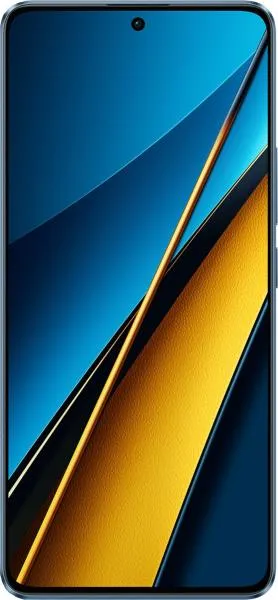
1. Specifications Comparison
| Feature | Motorola Razr 40 | Xiaomi Poco X6 | Practical Impact | |
|---|---|---|---|---|
| Design | ||||
| Form Factor | Foldable | Candybar | Razr 40 offers portability and a smaller footprint when closed, but may be less durable. Poco X6 is traditional, potentially more robust. | |
| Dimensions (mm) | 170.8 x 74 x 7.4 | 161.2 x 74.3 x 8 | Razr 40 is significantly shorter and thinner when folded but thicker when open. Poco X6 is larger overall. | |
| Weight (g) | 188.6 | 181 | Negligible weight difference in practical use. | |
| Display | ||||
| Display Type | Foldable AMOLED | AMOLED | Razr 40's folding screen allows for a large display in a compact device; potential crease visibility. Poco X6 offers a standard experience. | |
| Size (inches) | 6.9 | 6.67 | Razr 40 offers a slightly larger screen. | |
| Resolution | 1080 x 2640 | 1220 x 2712 | Poco X6 has a slightly sharper display due to higher resolution. | |
| Refresh Rate (Hz) | 144 | 120 | Razr 40 offers smoother scrolling and animations but may consume more battery. | |
| Peak Brightness (nits) | 1400 | 1800 | Poco X6 is significantly brighter outdoors. | |
| Performance | ||||
| Chipset | Snapdragon 7 Gen 1 | Snapdragon 7s Gen 2 | Poco X6's slightly newer chip may offer marginal performance improvements; both are mid-range processors. | |
| CPU | Octa-core | Octa-core | Both offer comparable multi-core performance, although architectural differences exist. Practical differences may be minimal. | |
| RAM (GB) | 8 | 12 | Poco X6's larger RAM allows for better multitasking and app switching. | |
| Camera | ||||
| Main Camera (MP) | 64 | 64 | Comparable main camera resolution. Sensor specifics missing; image quality comparison not possible. | |
| Ultrawide (MP) | 13 | 8 | Razr 40 offers a higher resolution ultrawide camera. | |
| Macro (MP) | N/A | 2 | Poco X6 offers a dedicated Macro lens. | |
| Battery | ||||
| Capacity (mAh) | 4200 | 5100 | Poco X6 has significantly longer battery life. |
2. Key Differences Analysis
Motorola Razr 40 Advantages:
- Portability: Foldable design offers unmatched portability.
- High Refresh Rate Display: Smoother animations and scrolling.
Xiaomi Poco X6 Advantages:
- Larger Battery: Significantly longer battery life.
- Brighter Display: Better outdoor visibility.
- Larger RAM: Superior multitasking capabilities.
- More Affordable: Generally lower price point for similar storage configurations.
3. User Profiles & Recommendations
Motorola Razr 40: Ideal for users who prioritize portability and cutting-edge design over battery life and raw performance. Best for those who value a compact phone for easy pocket carry.
Xiaomi Poco X6: Suitable for users who prioritize performance, battery life, and a larger display. Best for media consumption, gaming, and multitasking.
4. Decision Framework
Key Questions:
- Is portability your top priority? If yes, the Razr 40 is the clear winner.
- How important is battery life? If battery life is crucial, the Poco X6 is the better choice.
- What is your budget? The Poco X6 generally offers better value for money.
My Choice: Xiaomi Poco X6
While the Razr 40's foldable design is intriguing, the Poco X6 better suits my needs. I prioritize battery life, a bright display for outdoor use, and smooth performance enabled by ample RAM. The Poco X6 delivers these features at a more affordable price. While I acknowledge the portability advantage of the Razr 40, the trade-offs in battery life and overall value are too significant for me personally. The slightly newer chipset in the Poco X6 also suggests better long-term performance. Ultimately, the Poco X6 represents a more well-rounded package for my usage pattern.
