1. Specifications Comparison
| Feature | Motorola Razr 40 | Xiaomi Poco M6 Pro | Practical Impact |
|---|---|---|---|
| Design | |||
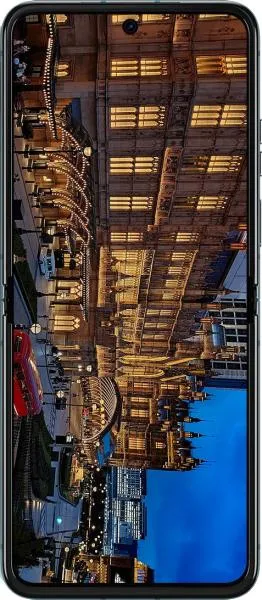
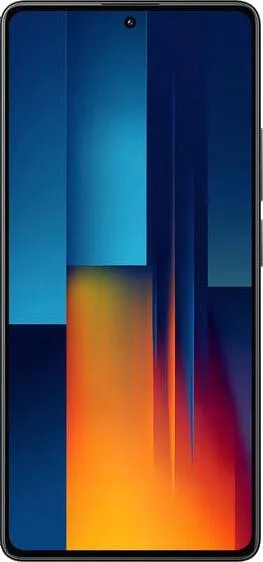
| Dimensions (mm) | 170.8 x 74 x 7.4 (folded) | 161.1 x 75 x 8 | Razr 40 significantly more compact when folded, easier pocketability. Poco M6 Pro is a standard candybar design. |
| Weight (g) | 188.6 | 179 | Razr 40 slightly heavier despite smaller folded size, potentially due to hinge mechanism. |
| Foldable | Yes | No | Razr 40 offers a larger screen in a smaller form factor when folded. |
| Display | |||
| Display Type | Foldable LTPO AMOLED | AMOLED | Razr 40's folding display allows for a larger screen in a pocket-friendly device; potential crease visibility. Poco M6 Pro offers a standard, larger display. |
| Size (inches) | 6.9 | 6.67 | Razr 40 offers larger screen real estate. |
| Resolution (px) | 1080 x 2640 | 1080 x 2400 | Similar sharpness; Razr 40 slightly taller aspect ratio. |
| Refresh Rate (Hz) | 144 | 120 | Razr 40 provides smoother animations and scrolling. |
| Peak Brightness (nits) | 1400 | 1800 | Poco M6 Pro offers better visibility in direct sunlight. |
| Performance | |||
| Chipset | Snapdragon 7 Gen 1 | Helio G99 Ultra | Snapdragon 7 Gen 1 generally offers better performance and efficiency than Helio G99, resulting in smoother multitasking and gaming on the Razr 40. |
| CPU | Octa-core (1x2.4 GHz A710 & 3x2.36 GHz A710 & 4x1.8 GHz A510) | Octa-core (2x2.2 GHz A76 & 6x2.0 GHz A55) | While both are octa-core, architectural differences exist. Snapdragon 7 Gen 1 likely performs better in demanding tasks. |
| GPU | Adreno 644 | Mali-G57 MC2 | Adreno 644 generally offers superior graphics performance compared to Mali-G57 MC2, translating to better gaming and media consumption on the Razr 40. |
| RAM (GB) | 8 | 8 (up to 12 available) | Both offer sufficient RAM for multitasking, but Poco M6 Pro offers a higher RAM configuration option for even smoother performance. |
| Camera | |||
| Main Camera (MP) | 64 | 64 | Similar resolution; image quality will depend on sensor and processing. |
| Other Cameras | 13MP Ultrawide | 8MP Ultrawide, 2MP Depth | Poco M6 Pro adds a dedicated depth sensor for portrait mode. |
| Video Recording | 4K@30fps | 1080p@60fps | Razr 40 capable of higher resolution video recording, but Poco M6 Pro can record at a higher frame rate at 1080p. |
| Battery | |||
| Capacity (mAh) | 4200 | 5000 | Poco M6 Pro offers significantly longer battery life. |
2. Key Differences Analysis
Motorola Razr 40 Advantages:
- Form Factor: The foldable design is the key differentiator, offering a large screen in a compact, pocketable device.
- Performance: The Snapdragon 7 Gen 1 offers better overall performance for demanding tasks and gaming.
- Higher Resolution Video: Capable of 4K video recording.
- Smoother Display: 144Hz refresh rate provides a more fluid user experience.
Xiaomi Poco M6 Pro Advantages:
- Battery Life: Significantly larger battery capacity for extended usage.
- Brighter Display: Better outdoor visibility.
- Higher RAM Option: Availability of a 12GB RAM variant for enhanced multitasking.
- Lower Price: Generally more affordable.
3. User Profiles & Recommendations
Motorola Razr 40: Ideal for users who prioritize portability and a large screen, accepting the trade-offs of a foldable device (potential crease, higher price, smaller battery). Suitable for users who value style and innovation.
Xiaomi Poco M6 Pro: Suitable for users who prioritize battery life, affordability, and a large, bright display. Best for users with standard smartphone needs like browsing, social media, and casual gaming.
4. Decision Framework
Key Questions for Buyers:
- Importance of Portability: How important is a compact, pocketable phone?
- Budget: What is your spending limit?
- Usage Patterns: What are your primary smartphone activities (gaming, media consumption, productivity)?
My Choice: Xiaomi Poco M6 Pro
While the Razr 40's foldable design is intriguing, the Poco M6 Pro better suits my needs. As someone who prioritizes battery life and value, the Poco M6 Pro's significantly larger battery and lower price are compelling. The performance difference between the Snapdragon 7 Gen 1 and Helio G99 is noticeable, but not a deal-breaker for my usage, which focuses on productivity, communication, and web browsing. The brighter display of the Poco M6 Pro is also a plus for outdoor use. While I appreciate the innovation of foldable phones, the added cost, potential durability concerns, and smaller battery of the Razr 40 outweigh the benefits for me personally. The Poco M6 Pro provides a well-rounded package that meets my needs at a more affordable price.
