1. Specifications Comparison
| Feature | Motorola Razr 40 | Xiaomi Poco M6 4G | Practical Impact |
|---|---|---|---|
| Design | |||
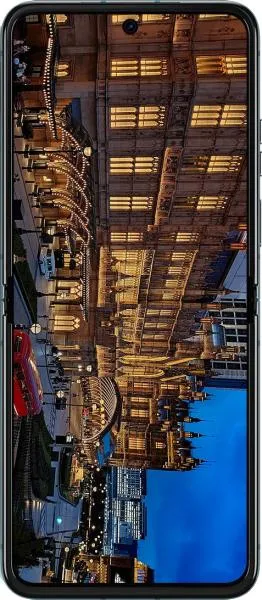
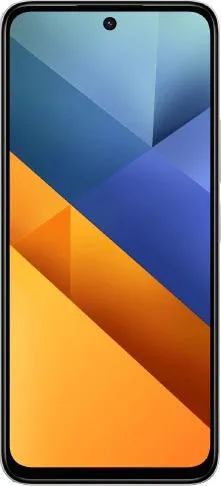
| Dimensions (mm) | 170.8 x 74 x 7.4 (folded) | 168.6 x 76.3 x 8.3 | Razr 40 significantly more compact when folded, easier for pocket carry; Poco M6 4G is a traditional slab design. |
| Weight (g) | 188.6 | 205 | Razr 40 noticeably lighter despite foldable design. |
| Foldable | Yes | No | Razr 40 offers a compact folded mode and larger screen unfolded; Poco M6 4G offers a single, large screen. |
| Display | |||
| Display Type | Foldable LTPO AMOLED | IPS LCD | Razr 40: Superior contrast, deeper blacks, power efficiency due to LTPO; Poco M6 4G: Less vibrant colors, wider viewing angles potentially. |
| Size (inches) | 6.9 | 6.79 | Negligible difference in screen real estate when unfolded. |
| Resolution (px) | 1080 x 2640 | 1080 x 2460 | Similar sharpness due to comparable pixel density; Razr 40 taller aspect ratio better for scrolling webpages. |
| Refresh Rate (Hz) | 144 | 90 | Razr 40 noticeably smoother animations and scrolling; Poco M6 4G still provides smooth experience but less so than Razr 40. |
| Performance | |||
| Chipset | Snapdragon 7 Gen 1 (4nm) | Helio G91 Ultra (12nm) | Snapdragon 7 Gen 1 generally offers better performance and efficiency due to advanced manufacturing process. |
| CPU | Octa-core (1x2.4 GHz A710 & 3x2.36 GHz A710 & 4x1.8 GHz A510) | Octa-core (2x2.0 GHz A75 & 6x1.8 GHz A55) | Snapdragon 7 Gen 1 expected to have better multi-core performance and power efficiency due to newer core architecture. |
| GPU | Adreno 644 | Mali-G52 MC2 | Adreno 644 offers significantly better gaming performance. |
| RAM (GB) | 8 | 6/8 (depending on the version) | More RAM on Razr 40 enables better multitasking and app switching. |
| Camera | |||
| Main Camera (MP) | 64 | 108 | Poco M6 4G boasts higher resolution, potentially capturing more detail; Image quality depends on sensor and processing, not just megapixels. |
| Video Recording | 4K@30fps with EIS | 1080p@30fps | Razr 40 offers higher resolution video recording. |
| Battery | |||
| Capacity (mAh) | 4200 | 5030 | Poco M6 4G has significantly larger battery, likely resulting in longer battery life. Foldable devices often have smaller batteries due to space constraints. |
2. Key Differences Analysis
Motorola Razr 40 Advantages:
- Portability: The foldable design offers unmatched portability.
- Superior Display: AMOLED with 144Hz refresh rate provides vibrant colors and smooth visuals.
- Better Performance: More powerful chipset and GPU.
Xiaomi Poco M6 4G Advantages:
- Longer Battery Life: Significantly larger battery capacity.
- Lower Price: Positioned in a lower price bracket.
- Larger Main Camera Sensor: 108MP sensor for potentially more detailed photos.
Trade-offs:
- Razr 40: Smaller battery capacity due to foldable design, higher price.
- Poco M6 4G: Less powerful chipset and GPU, lower quality display.
3. User Profiles & Recommendations
Motorola Razr 40: Ideal for users who prioritize portability and premium design, value a high-quality display and smooth performance, and are willing to pay a premium for it. Use cases: Frequent travelers, professionals who need a compact yet powerful device, content creators who appreciate a good display.
Xiaomi Poco M6 4G: Suitable for budget-conscious users who prioritize long battery life and a large screen. Use cases: Casual users, students, users primarily focused on communication and media consumption.
4. Decision Framework
Key Questions for Buyers:
- How important is portability? A foldable phone drastically reduces size when pocketed.
- What is your budget? The Razr 40 is significantly more expensive.
- What are your performance and display expectations? The Razr 40 offers a superior experience in these areas.
My Choice: Motorola Razr 40
While the Poco M6 4G offers great value for its price, I would choose the Motorola Razr 40. The foldable form factor significantly enhances portability without sacrificing screen size when needed. The superior display quality (AMOLED with 144Hz) and the more powerful Snapdragon chipset offer a noticeably better user experience in day-to-day tasks and gaming. Although the battery capacity is smaller, I'm willing to compromise on battery life for the significant gains in portability and performance. The higher price tag is justified for the premium design, innovative technology, and enhanced user experience. As a smartphone analyst focused on cutting-edge technology, the Razr 40's foldable design and performance advantages are compelling.
