1. Specifications Comparison
| Feature | Motorola Razr 40 | Xiaomi Poco F6 | Practical Impact |
|---|---|---|---|
| Design | |||
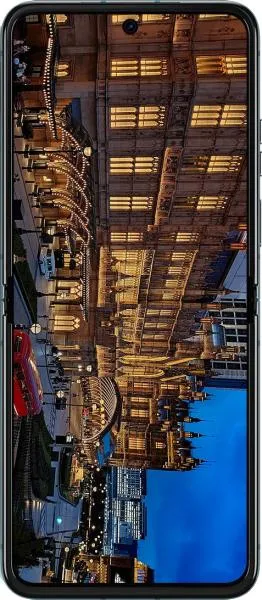
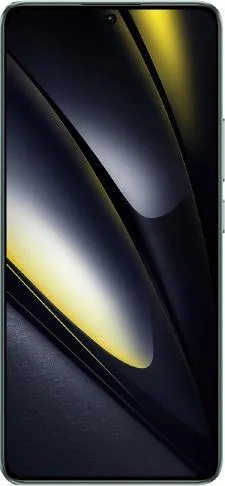
| Form Factor | Foldable | Standard | Razr 40 offers portability and a unique form factor, Poco F6 is a traditional slab phone. |
| Dimensions (mm) | 170.8 x 74 x 7.4 | 160.5 x 74.5 x 8 | Razr 40 is significantly more compact when folded but taller when unfolded. Poco F6 is thinner overall. |
| Weight (g) | 188.6 | 179 | Razr 40 is slightly heavier despite smaller folded size. |
| Display | |||
| Display Type | Foldable LTPO AMOLED | AMOLED | Razr 40 has a flexible display that folds in half. Poco F6 has a standard rigid display. |
| Size (inches) | 6.9 | 6.67 | Razr 40 offers a larger screen real estate when unfolded. |
| Resolution | 1080 x 2640 | 1220 x 2712 | Poco F6 has a sharper display with higher pixel density (446 ppi vs 413 ppi). |
| Refresh Rate (Hz) | 144 | 120 | Razr 40 provides smoother animations and scrolling. |
| Peak Brightness (nits) | 1400 | 2400 | Poco F6 offers significantly better visibility in direct sunlight. |
| Performance | |||
| Chipset | Snapdragon 7 Gen 1 | Snapdragon 8s Gen 3 | Poco F6 boasts a considerably more powerful processor, leading to significantly better performance in demanding tasks and gaming. |
| CPU | Octa-core (1x2.4 GHz A710 & 3x2.36 GHz A710 & 4x1.8 GHz A510) | Octa-core (1x3.0 GHz X4 & 4x2.8 GHz A720 & 3x2.0 GHz A520) | Poco F6's CPU architecture is more modern and powerful. |
| GPU | Adreno 644 | Adreno 735 | Poco F6 offers significantly better graphics performance. |
| RAM (GB) | 8 | 8/12 | Poco F6 offers a 12GB RAM option for enhanced multitasking. |
| Camera | |||
| Main Camera (MP) | 64 | 50 | While Razr 40 has a higher resolution, Poco F6 utilizes a larger sensor (Sony IMX882) potentially capturing more light and detail. |
| Ultrawide (MP) | 13 | 8 | Razr 40 has a higher resolution ultrawide. |
| Selfie (MP) | 32 | 20 | Razr 40 has a higher resolution selfie camera. |
| Battery | |||
| Capacity (mAh) | 4200 | 5000 | Poco F6 provides longer battery life. |
2. Key Differences Analysis
Motorola Razr 40 Advantages:
- Portability: The foldable design offers unmatched portability.
- Unique Form Factor: The clamshell design is stylish and nostalgic.
- High Refresh Rate Display: Smoother scrolling and animations.
Xiaomi Poco F6 Advantages:
- Superior Performance: Significantly faster processor and GPU for demanding tasks and gaming.
- Brighter Display: Excellent outdoor visibility.
- Larger Battery: Longer battery life.
- Better Main Camera Sensor: Potentially superior image quality in various conditions.
Trade-offs:
- Razr 40: Performance is sacrificed for portability. Lower battery life due to the smaller battery necessitated by the foldable design. Durability concerns associated with foldable displays.
- Poco F6: Lacks the unique portability and style of a foldable phone.
3. User Profiles & Recommendations
Motorola Razr 40: Ideal for users who prioritize portability and style above all else. Suitable for light to moderate usage, social media, and casual photography. Best for users who value compactness and are willing to compromise on performance and battery life for it.
Xiaomi Poco F6: Best for users who prioritize performance, battery life, and a bright display. Ideal for gamers, power users, and those who consume a lot of media. Excellent choice for users seeking the best value for their money in terms of raw performance.
4. Decision Framework
Key Questions for Buyers:
- How important is portability to you? If ultimate portability is paramount, the Razr 40 is the clear winner.
- What is your primary phone usage? For demanding tasks and gaming, the Poco F6 is significantly better. For casual use, the Razr 40 is sufficient.
- What is your budget? Both phones are in the medium price range, but specific pricing should be compared.
Scenario-Based Recommendations:
- Frequent Traveler: Razr 40 for its pocketability.
- Mobile Gamer: Poco F6 for its powerful processor and GPU.
- Social Media Enthusiast: Either phone is suitable, but the Razr 40's unique design might be appealing.
My Choice: Xiaomi Poco F6
While the Motorola Razr 40's foldable design is intriguing, the Xiaomi Poco F6 offers a more well-rounded package for my needs. I prioritize performance, battery life, and a bright, sharp display. The Poco F6 excels in all these areas, making it a more practical choice for my daily usage. The Snapdragon 8s Gen 3 chip ensures smooth multitasking and gaming, the 5000 mAh battery provides ample power, and the bright AMOLED display is excellent for outdoor use. While I appreciate the Razr 40's innovative design, the trade-offs in performance and battery life are too significant for me. The Poco F6 provides a better balance of features and performance at a competitive price point.
