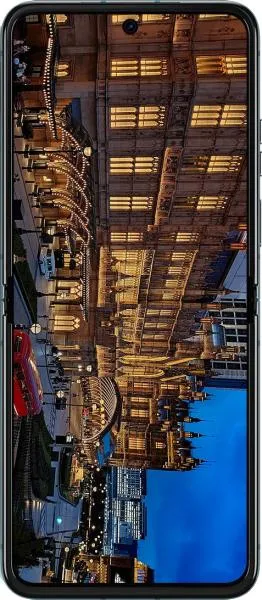
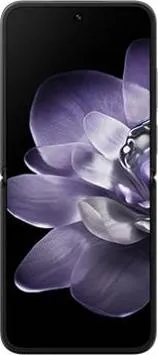
1. Specifications Comparison
| Feature | Motorola Razr 40 | Xiaomi Mix Flip | Practical Impact |
|---|---|---|---|
| Design | |||
| Dimensions (mm) | 170.8 x 74 x 7.4 | 167.5 x 74 x 7.6 | Razr 40 is slightly taller but thinner when folded. Negligible difference in daily use. |
| Weight (g) | 188.6 | 190 | Virtually identical weight; insignificant difference in hand. |
| Foldable | Yes | Yes | Both offer the flexibility and portability of a foldable design. |
| Display | |||
| Size (inches) | 6.9 | 6.86 | Negligible size difference. |
| Resolution (pixels) | 1080 x 2640 | 1224 x 2912 | Mix Flip has a noticeably sharper display due to higher resolution, resulting in crisper text and images. |
| Refresh Rate (Hz) | 144 | 120 | Razr 40 offers smoother animations and scrolling, especially noticeable in games and fast-paced content. |
| Peak Brightness (nits) | 1400 | 3000 | Mix Flip offers significantly better outdoor visibility in bright sunlight. |
| Performance | |||
| Chipset | Snapdragon 7 Gen 1 | Snapdragon 8 Gen 3 | Mix Flip boasts significantly faster processing speeds and graphics performance thanks to the flagship 8 Gen 3 chip. This translates to smoother multitasking, quicker app loading, and better gaming capabilities. |
| RAM (GB) | 8 | 12 | Mix Flip offers more headroom for multitasking and demanding applications, making it less prone to slowdowns. |
| Camera | |||
| Main Camera (MP) | 64 | 50 | While Razr 40 has higher megapixel count, Mix Flip uses a larger sensor (1/1.55") and wider aperture (f/1.7) potentially capturing more light and detail, especially in low light. Real-world image quality depends on image processing. |
| Telephoto | No | Yes (60MP) | Mix Flip offers optical zoom capabilities for capturing distant subjects, a clear advantage. |
| Video | 4K@30fps | 8K@24fps | Mix Flip can record higher resolution video. Practical benefit depends on user's need for 8K recording and display capabilities. |
| Battery | |||
| Capacity (mAh) | 4200 | 4780 | Mix Flip has a larger battery, likely resulting in longer battery life. Actual usage time depends on various factors. |
2. Key Differences Analysis
Motorola Razr 40 Advantages:
- Higher Refresh Rate Display: Smoother scrolling and animations.
- Lower Price: Offers a more affordable foldable phone option.
Xiaomi Mix Flip Advantages:
- Significantly More Powerful: Snapdragon 8 Gen 3 offers vastly superior performance.
- Sharper Display: Higher resolution for crisper visuals.
- Brighter Display: Excellent outdoor visibility.
- Larger Battery: Potentially longer battery life.
- Telephoto Lens: Optical zoom capability for versatile photography.
- Higher Resolution Video Recording: Up to 8K video.
Trade-offs:
- Razr 40: Compromises on performance and camera features for a lower price.
- Mix Flip: Significantly more expensive.
3. User Profiles & Recommendations
Motorola Razr 40:
- Ideal User: Budget-conscious users who prioritize portability and a smooth display experience for everyday tasks like social media and web browsing.
- Use Cases: Casual photography, social media, web browsing, light gaming.
Xiaomi Mix Flip:
- Ideal User: Users who demand top-tier performance, excellent camera capabilities, and a vibrant display for demanding tasks and multimedia consumption. Price is less of a concern.
- Use Cases: Demanding gaming, professional photography/videography, content creation, multitasking.
4. Decision Framework
Key Questions for Buyers:
- What is your budget? The Razr 40 offers a significant price advantage.
- What level of performance do you need? For demanding tasks, the Mix Flip is a clear winner.
- How important are camera features? The Mix Flip offers a more versatile camera system with a telephoto lens.
Scenario-Based Recommendations:
- Limited Budget: Motorola Razr 40
- Prioritize Performance and Camera: Xiaomi Mix Flip
My Choice: Xiaomi Mix Flip
While significantly more expensive, the Xiaomi Mix Flip offers a compelling package that justifies the premium. The Snapdragon 8 Gen 3 delivers a substantial performance leap crucial for a smooth and future-proof experience. The brighter, sharper display enhances multimedia consumption, and the inclusion of a telephoto lens significantly elevates the camera system's versatility. The larger battery also addresses a common concern with foldable phones. While the Razr 40 offers a good entry point into the foldable market, the Mix Flip's superior performance, display, and camera make it the better overall device for my needs. I prioritize long-term performance and a premium user experience over a lower initial price.
