1. Specifications Comparison
| Feature | Motorola Razr 40 | Xiaomi 14 Ultra | Practical Impact |
|---|---|---|---|
| Design | |||
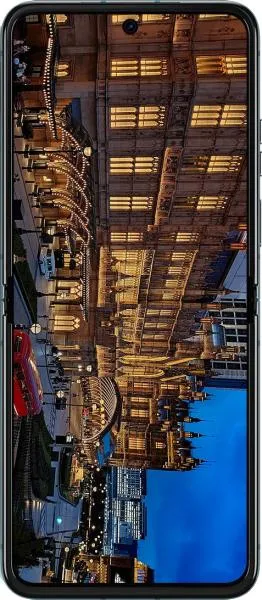
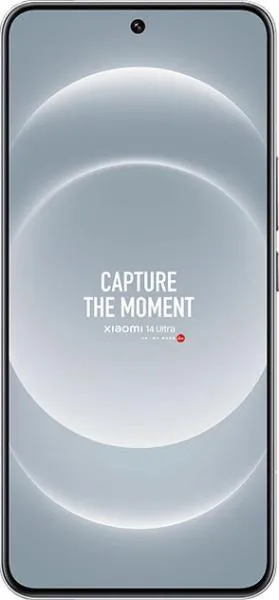
| Form Factor | Foldable | Standard | Razr 40 offers portability and a unique form factor; Xiaomi 14 Ultra provides a traditional smartphone experience. |
| Dimensions (mm) | 170.8 x 74 x 7.4 | 161.4 x 75.3 x 9.2 | Razr 40 is significantly more compact when folded but thicker when unfolded. Xiaomi 14 Ultra is larger overall. |
| Weight (g) | 188.6 | 229.5 | Razr 40 is noticeably lighter, improving one-handed use and portability, especially when folded. |
| Display | |||
| Display Type | Foldable LTPO AMOLED | LTPO AMOLED | Both offer excellent color accuracy and contrast, but Razr 40's folding capability introduces a crease and potential durability concerns. |
| Size (inches) | 6.9 | 6.73 | Negligible difference in screen real estate. |
| Resolution | 1080 x 2640 | 1440 x 3200 | Xiaomi 14 Ultra boasts a sharper display with higher pixel density, resulting in crisper text and images. |
| Refresh Rate (Hz) | 144 | 120 | Razr 40 offers smoother animations and scrolling; however, the difference might not be perceptible to all users. |
| Peak Brightness (nits) | 1400 | 3000 | Xiaomi 14 Ultra's significantly higher peak brightness ensures exceptional outdoor visibility. |
| Performance | |||
| Chipset | Snapdragon 7 Gen 1 | Snapdragon 8 Gen 3 | Xiaomi 14 Ultra's 8 Gen 3 provides significantly faster processing speeds, benefiting demanding tasks and gaming. |
| CPU | Octa-core (up to 2.4 GHz) | Octa-core (up to 3.3 GHz) | Xiaomi 14 Ultra offers superior multi-core performance, leading to faster app loading and smoother multitasking. |
| RAM (GB) | 8 | 16 | Double the RAM on the Xiaomi 14 Ultra allows for more apps to run in the background without performance degradation. |
| Camera | |||
| Main Camera (MP) | 64 | 50 (1-inch sensor) | Xiaomi 14 Ultra's larger sensor captures more light, resulting in better low-light performance and potentially improved dynamic range. |
| Camera Features | OIS, EIS | Leica Optics, variable aperture, OIS, EIS, 8K video | Xiaomi 14 Ultra provides more advanced camera features, including higher resolution video recording and Leica-tuned optics for potentially superior image quality. |
| Battery | |||
| Capacity (mAh) | 4200 | 5000 | Xiaomi 14 Ultra's larger battery capacity likely translates to longer battery life. |
2. Key Differences Analysis
Motorola Razr 40 Advantages:
- Portability: The foldable design offers unmatched portability.
- Lighter Weight: Noticeably lighter than the Xiaomi 14 Ultra.
- Higher Refresh Rate: Smoother scrolling and animations.
Xiaomi 14 Ultra Advantages:
- Superior Performance: Significantly faster processor and more RAM.
- Sharper Display: Higher resolution and significantly brighter screen.
- Advanced Camera System: Larger sensor, Leica optics, and 8K video recording.
- Longer Battery Life: Larger battery capacity.
Trade-offs:
- Razr 40: Foldable design compromises durability and screen real estate when unfolded. Lower performance compared to Xiaomi 14 Ultra.
- Xiaomi 14 Ultra: Larger and heavier than the Razr 40. Less portable.
3. User Profiles & Recommendations
Motorola Razr 40: Ideal for users who prioritize portability and a unique form factor over raw performance. Suitable for social media, light productivity, and casual content consumption.
Xiaomi 14 Ultra: Ideal for power users, photographers, and videographers who demand top-tier performance, a stunning display, and an advanced camera system. Suitable for demanding gaming, professional content creation, and heavy multitasking.
4. Decision Framework
Key Questions for Buyers:
- Portability vs. Performance: Which is more important: a compact, pocketable phone or a powerful device with a larger screen?
- Camera Needs: Do you require professional-grade camera features and image quality, or is a standard camera setup sufficient?
- Budget: The Xiaomi 14 Ultra is expected to be more expensive. Does the price difference justify the added features?
Scenario-Based Recommendations:
- Frequent Traveler: Razr 40 for its compact size and portability.
- Mobile Gamer/Power User: Xiaomi 14 Ultra for its superior performance and display.
- Photography Enthusiast: Xiaomi 14 Ultra for its advanced camera system.
My Choice: Xiaomi 14 Ultra
While I appreciate the innovative design and portability of the Razr 40, the Xiaomi 14 Ultra is the better overall phone for my needs. The significantly improved performance, superior camera system, brighter and sharper display, and longer battery life are compelling advantages. The trade-off in size and weight is acceptable given the substantial gains in functionality. I prioritize a smooth and powerful user experience, along with high-quality photography capabilities, making the Xiaomi 14 Ultra the clear winner for me. While the Razr 40's form factor is unique, the performance limitations of the Snapdragon 7 Gen 1 would be a significant drawback for my usage.
