1. Specifications Comparison
| Feature | Motorola Razr 40 | Xiaomi 13T Pro | Practical Impact |
|---|---|---|---|
| Design | |||
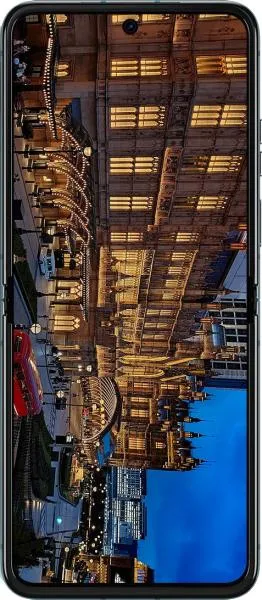
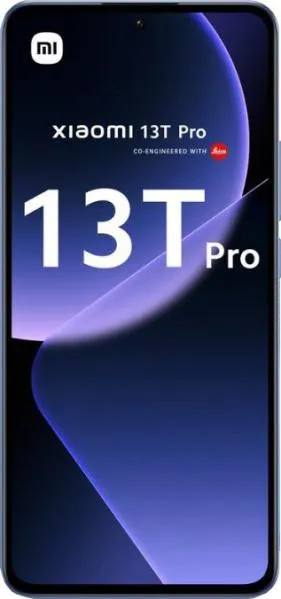
| Dimensions (mm) | 170.8 x 74 x 7.4 (folded) | 162.2 x 75.7 x 8.5 | Razr 40 significantly more compact when folded, easier pocketability. 13T Pro is a standard candybar form factor. |
| Weight (g) | 188.6 | 200 | Razr 40 lighter, reducing hand fatigue. |
| Foldable | Yes | No | Razr 40 offers a larger screen in a smaller form factor when folded. 13T Pro offers a more traditional smartphone experience. |
| Display | |||
| Size (inches) | 6.9 | 6.67 | Negligible difference in screen real estate. |
| Resolution (pixels) | 1080 x 2640 | 1220 x 2712 | 13T Pro slightly sharper due to higher pixel density, though both are crisp. |
| Refresh Rate (Hz) | 144 | 144 | Both offer smooth scrolling and animations. |
| Peak Brightness (nits) | 1400 | 2600 | 13T Pro significantly brighter, improving outdoor visibility. |
| Panel Type | Foldable LTPO AMOLED | AMOLED | Razr 40's foldable screen introduces a crease, potential durability concerns. 13T Pro uses a standard durable AMOLED. |
| Color Depth | 1B | 68B | 13T Pro capable of displaying a wider range of colors, resulting in more vibrant and accurate visuals. |
| Performance | |||
| Chipset | Snapdragon 7 Gen 1 | Dimensity 9200+ | 13T Pro boasts significantly more powerful CPU and GPU, leading to faster app loading, smoother multitasking, and better gaming performance. |
| CPU | Octa-core (1x2.4 GHz Cortex-A710 & 3x2.36 GHz Cortex-A710 & 4x1.8 GHz Cortex-A510) | Octa-core (1x3.35 GHz Cortex-X3 & 3x3.0 GHz Cortex-A715 & 4x2.0 GHz Cortex-A510) | 13T Pro's CPU architecture and clock speeds provide a substantial performance advantage. |
| RAM (GB) | 8 | 12/16 | 13T Pro offers more RAM, enhancing multitasking capabilities and preventing app closures in the background. |
| Camera | |||
| Main Camera (MP) | 64 | 50 | Megapixel count doesn't tell the whole story; image quality depends on sensor size, aperture, and processing. 13T Pro utilizes a larger sensor (Sony IMX707) known for good low-light performance. |
| Video Recording | 4K@30fps | 8K@24fps | 13T Pro capable of higher resolution video recording. |
| Camera Features | OIS, EIS | OIS, EIS, dedicated telephoto lens | 13T Pro offers more versatile camera setup with a dedicated telephoto lens for optical zoom. |
| Battery | |||
| Capacity (mAh) | 4200 | 5000 | 13T Pro offers significantly longer battery life. |
2. Key Differences Analysis
Motorola Razr 40 Advantages:
- Portability: The foldable design makes it significantly more pocketable.
- Unique Form Factor: Offers a distinctive and nostalgic design.
- Lighter Weight: Easier to hold and use for extended periods.
Xiaomi 13T Pro Advantages:
- Superior Performance: Significantly faster processor and more RAM for demanding tasks and gaming.
- Brighter Display: Excellent outdoor visibility.
- Larger Battery: Provides longer usage time between charges.
- More Versatile Camera System: Dedicated telephoto lens and higher resolution video recording capabilities.
- Wider Color Gamut: More vibrant and accurate color representation on the display.
Trade-offs:
- Razr 40: Sacrifices performance and battery life for portability and unique design. Durability of the folding screen is a concern.
- 13T Pro: Larger and heavier than the Razr 40; lacks the novelty of a foldable design.
3. User Profiles & Recommendations
Motorola Razr 40: Ideal for users who prioritize portability and style over raw performance. Suitable for casual use, social media, and light productivity tasks.
Xiaomi 13T Pro: Best suited for power users, gamers, and photography enthusiasts who demand top-tier performance, a long-lasting battery, and a versatile camera.
4. Decision Framework
Key Questions for Buyers:
- Is portability your top priority? If yes, the Razr 40's foldable design is a compelling option.
- Do you require high performance for demanding tasks or gaming? If yes, the 13T Pro is the clear winner.
- What is your budget? While both are in the medium price range, specific configurations and regional pricing may vary. Consider the price-to-value ratio based on your individual needs.
Scenario-Based Recommendations:
- Frequent Traveler: Razr 40 for its compact size.
- Mobile Gamer: 13T Pro for its powerful hardware.
- Photography Enthusiast: 13T Pro for its versatile camera system.
- Casual User: Either phone could be suitable depending on individual priorities for portability vs. performance/battery life.
My Choice: Xiaomi 13T Pro
While the Razr 40's foldable design is intriguing, the Xiaomi 13T Pro offers a more well-rounded package for my needs. I prioritize performance, battery life, and a versatile camera system. The 13T Pro's significantly faster processor, larger battery, and superior camera capabilities outweigh the Razr 40's portability advantage for me. The brighter display and wider color gamut of the 13T Pro further enhance the overall user experience. The potential durability concerns and crease inherent in foldable displays also contribute to my preference for the 13T Pro's traditional form factor. Ultimately, the 13T Pro provides a more future-proof and powerful device for a comparable price.
