1. Specifications Comparison
| Feature | Motorola Razr 40 | Xiaomi 13T | Practical Impact |
|---|---|---|---|
| Design | |||
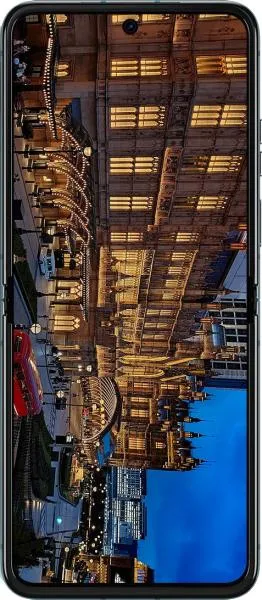
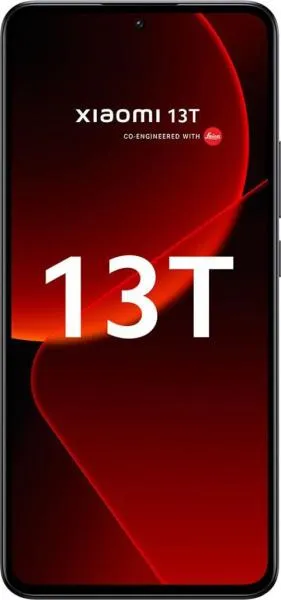
| Form Factor | Foldable | Slab | Razr 40 offers portability and a unique form factor; Xiaomi 13T is a traditional smartphone design. |
| Dimensions (mm) | 170.8 x 74 x 7.4 | 162.2 x 75.7 x 8.5 | Razr 40 is significantly more compact when folded, but thicker when unfolded. Xiaomi 13T is thinner overall but larger in hand. |
| Weight (g) | 188.6 | 210 | Razr 40 is noticeably lighter, reducing strain during extended use and pocket carry, especially when folded. |
| Display | |||
| Display Size (inches) | 6.9 | 6.67 | Similar screen real estate for media consumption. |
| Resolution | 1080 x 2640 | 1220 x 2712 | Xiaomi 13T has a slightly sharper display due to higher resolution. |
| Refresh Rate (Hz) | 144 | 144 | Both offer smooth scrolling and gaming experiences. |
| Display Type | Foldable LTPO AMOLED | AMOLED | Razr 40's foldable display allows for unique interactions and a smaller footprint when closed. Xiaomi 13T offers potentially better color accuracy with 68B colors vs 1B on the Razr. |
| Peak Brightness (nits) | 1400 | 2600 | Xiaomi 13T offers significantly better outdoor visibility in bright sunlight. |
| Performance | |||
| Chipset | Snapdragon 7 Gen 1 | Dimensity 8200 Ultra | Dimensity 8200 Ultra generally benchmarks higher, suggesting better performance in demanding tasks and gaming on the Xiaomi 13T. |
| CPU | Octa-core (1x2.4 GHz A710 & 3x2.36 GHz A710 & 4x1.8 GHz A510) | Octa-core (1x3.1 GHz A78 & 3x3.0 GHz A78 & 4x2.0 GHz A55) | Xiaomi 13T's CPU configuration suggests a performance advantage, especially in single-core tasks. |
| GPU | Adreno 644 | Mali-G610 MC6 | While both are capable GPUs, Mali-G610 MC6 in the Xiaomi 13T is expected to deliver a smoother gaming experience. |
| RAM (GB) | 8 | 12 (in reviewed variant) | More RAM in the Xiaomi 13T enables better multitasking and smoother performance with multiple apps open. |
| Camera | |||
| Main Camera (MP) | 64 | 50 | Xiaomi 13T uses a larger sensor (Sony IMX707), potentially offering better low-light performance and image quality despite lower resolution. |
| Other Cameras | 13MP ultrawide | 50MP Telephoto, 13MP ultrawide | Xiaomi 13T offers greater versatility with a dedicated telephoto lens for optical zoom. |
| Battery | |||
| Capacity (mAh) | 4200 | 5000 | Xiaomi 13T offers significantly longer battery life. |
2. Key Differences Analysis
Motorola Razr 40 Advantages:
- Portability: The foldable design offers unparalleled portability.
- Unique Form Factor: The flip phone nostalgia and compact size are appealing.
- Lighter Weight: Less hand fatigue during use.
Xiaomi 13T Advantages:
- Superior Performance: More powerful chipset and more RAM for demanding tasks and gaming.
- Brighter Display: Excellent outdoor visibility.
- Larger Battery: Significantly longer battery life.
- More Versatile Camera System: Telephoto lens for optical zoom.
3. User Profiles & Recommendations
Motorola Razr 40: Ideal for users who prioritize portability and style above all else. Best for light users who value a compact phone for social media, browsing, and calls.
Xiaomi 13T: Suitable for users who need a powerful, all-around performer. Excellent for gaming, media consumption, photography enthusiasts, and power users.
4. Decision Framework
Key Questions for Buyers:
- Is portability your top priority? If yes, the Razr 40 is a strong contender.
- Do you need a high-performance device for demanding tasks and gaming? If yes, the Xiaomi 13T is the better choice.
- How important is battery life? The Xiaomi 13T offers significantly longer battery life.
Scenario-Based Recommendations:
- Frequent Traveler: Razr 40 for its compact size.
- Mobile Gamer: Xiaomi 13T for its powerful performance.
- Photography Enthusiast: Xiaomi 13T for its versatile camera system.
My Choice: Xiaomi 13T
While I appreciate the innovative design and portability of the Razr 40, the Xiaomi 13T better suits my needs. As a power user, I prioritize performance, battery life, and a versatile camera system. The Xiaomi 13T's Dimensity 8200 Ultra chipset, larger battery, and the inclusion of a telephoto lens make it a more compelling overall package. The brighter display is also a significant advantage for outdoor use. While the Razr 40's foldable design is appealing, the trade-offs in performance and battery life are too significant for my usage patterns. The price difference is negligible considering the significant performance and feature advantages of the Xiaomi 13T.
