1. Specifications Comparison
| Feature | Motorola Razr 40 | vivo V29 | Practical Impact |
|---|---|---|---|
| Design | |||
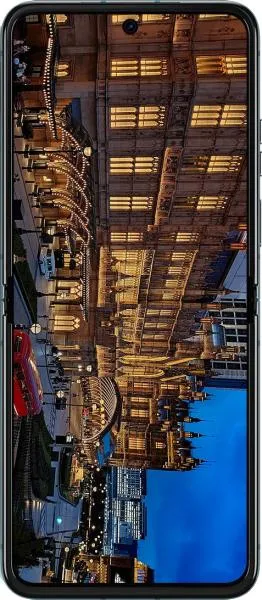
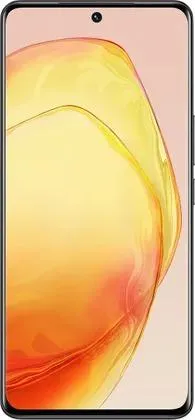
| Form Factor | Foldable | Standard | Razr 40 offers portability and a compact closed size; vivo V29 is a traditional slab phone. |
| Dimensions (mm) | 170.8 x 74 x 7.4 | 164.2 x 74.4 x 7.5 | Razr 40 is slightly taller and thinner when unfolded, significantly smaller when folded. Vivo V29 is thinner overall when unfolded. |
| Weight (g) | 188.6 | 186 | Negligible weight difference in practical usage. |
| Display | |||
| Size (inches) | 6.9 | 6.78 | Razr 40's larger display offers more immersive content consumption when unfolded. |
| Resolution (px) | 1080 x 2640 | 1260 x 2800 | Vivo V29 has a slightly sharper display (453 ppi vs 413 ppi). |
| Refresh Rate (Hz) | 144 | 120 | Razr 40's higher refresh rate provides smoother animations and scrolling. |
| Panel Type | Foldable LTPO AMOLED | AMOLED | Razr 40's folding screen technology allows for a compact form factor but introduces a potential crease and durability concerns. Vivo V29 offers a standard, potentially more durable display. |
| Peak Brightness (nits) | 1400 | 1300 | Razr 40 offers slightly better visibility in bright sunlight. |
| Performance | |||
| Chipset | Snapdragon 7 Gen 1 | Snapdragon 778G 5G | 778G 5G generally benchmarks slightly higher than the 7 Gen 1, potentially resulting in faster app loading and smoother multitasking in the Vivo V29. |
| CPU | Octa-core (1x2.4 GHz A710 & 3x2.36 GHz A710 & 4x1.8 GHz A510) | Octa-core (1x2.4 GHz A78 & 3x2.2 GHz A78 & 4x1.9 GHz A55) | Vivo V29 utilizes slightly older but more powerful Cortex-A78 cores, likely offering a performance advantage. |
| GPU | Adreno 644 | Adreno 642L | Adreno 644 should provide a slight edge in graphical performance for the Razr 40. |
| RAM (GB) | 8 | 8 | Both phones offer the same amount of RAM, sufficient for most users. |
| Camera | |||
| Main Camera (MP) | 64 | 50 | While Razr 40 has a higher megapixel count, image quality depends on various factors including sensor size and processing. |
| Front Camera (MP) | 32 | 50 | Vivo V29 boasts a higher resolution front camera, potentially capturing more detailed selfies. |
| Video Recording | 4K@30fps | 4K@30fps | Similar video recording capabilities on paper. Real-world performance needs further review. |
| Battery | |||
| Capacity (mAh) | 4200 | 4600 | Vivo V29 has a larger battery capacity, potentially leading to longer battery life. Foldable phones often have compromises in battery due to space constraints. |
2. Key Differences Analysis
Motorola Razr 40 Advantages:
- Portability: The foldable design provides significant portability advantages.
- Higher Refresh Rate Display: Smoother scrolling and animations.
vivo V29 Advantages:
- Performance: Slightly more powerful processor.
- Larger Battery: Potentially longer battery life.
- Higher Resolution Front Camera: Better selfies.
- Larger Main Display: More immersive experience when consuming content.
Trade-offs:
- Razr 40: Foldable design might compromise durability and battery life compared to a traditional slab phone.
- vivo V29: Lacks the unique portability of a foldable phone.
3. User Profiles & Recommendations
Motorola Razr 40: Ideal for users who prioritize portability and compactness above all else. Suitable for those who value having a smaller phone that easily fits in pockets.
vivo V29: Suitable for users who prioritize performance, battery life, and a large, high-quality display. Good for media consumption, gaming, and multitasking.
4. Decision Framework
Key Questions:
- How important is portability? If ultimate pocketability is paramount, the Razr 40 is the clear choice.
- What is your budget and how much do you value performance and battery life? The Vivo V29 provides a more traditional smartphone experience with potentially better performance and battery for a similar price.
- Are you comfortable with the potential trade-offs of a foldable phone (crease, durability)?
My Choice: vivo V29
While the Razr 40's foldable design is intriguing, the vivo V29 provides a more well-rounded package for my needs. The slightly more powerful processor, larger battery, and larger, sharper display are significant advantages for everyday use. I prioritize performance and battery life over ultimate portability, and I'm not fully convinced about the long-term durability of foldable phones. The Vivo V29 seems like a more reliable and powerful device for a similar price.
