1. Specifications Comparison
| Feature | Motorola Razr 40 | vivo iQOO 12 | Practical Impact |
|---|---|---|---|
| Design | |||
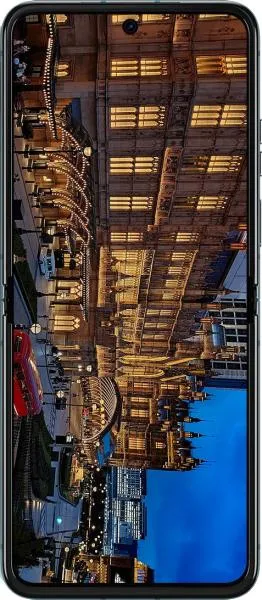
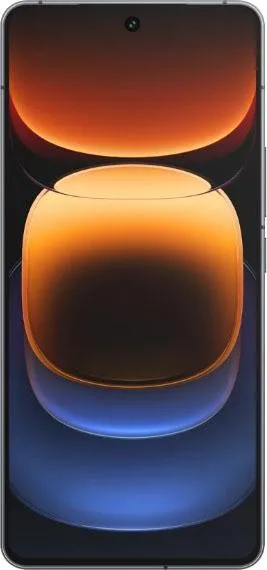
| Form Factor | Foldable | Standard | Razr 40 offers portability and a unique form factor; iQOO 12 is a traditional slab phone. |
| Dimensions (mm) | 170.8 x 74 x 7.4 (unfolded) | 163.2 x 75.9 x 8.1 | Razr 40 is significantly more compact when folded, but larger unfolded; iQOO 12 is thinner overall. |
| Weight (g) | 188.6 | 198.5 | Razr 40 is noticeably lighter. |
| Display | |||
| Size (inches) | 6.9 | 6.78 | Negligible difference in screen real estate when unfolded; Razr 40 has a cover screen for quick interactions. |
| Resolution | 1080 x 2640 | 1260 x 2800 | iQOO 12 has a slightly sharper display. |
| Refresh Rate (Hz) | 144 | 144 | Both offer smooth scrolling and gaming experiences. |
| Peak Brightness (nits) | 1400 | 3000 | iQOO 12's display will be significantly more visible in direct sunlight. |
| Panel Type | LTPO AMOLED | LTPO AMOLED | Both offer excellent color accuracy and power efficiency. iQOO 12 having LTPO confirmed offers better dynamic refresh rate adjustment for power saving. |
| Performance | |||
| Chipset | Snapdragon 7 Gen 1 | Snapdragon 8 Gen 3 | iQOO 12 boasts significantly more powerful CPU and GPU for demanding tasks and gaming. |
| CPU | Octa-core (1x2.4 GHz A710 & 3x2.36 GHz A710 & 4x1.8 GHz A510) | Octa-core (1x3.3 GHz X4 & 3x3.2 GHz A720 & 2x3.0 GHz A720 & 2x2.3 GHz A520) | iQOO 12's newer generation CPU architecture provides a substantial performance advantage. |
| RAM (GB) | 8 | 12/16 | iQOO 12 offers more RAM for smoother multitasking and demanding applications. |
| Camera | |||
| Main Camera (MP) | 64 | 50 | iQOO 12 utilizes a larger sensor size (1/1.3") and wider aperture (f/1.69) for potentially better low-light performance despite lower resolution. More data needed on Razr 40's sensor. |
| Ultrawide (MP) | 13 | 50 | iQOO 12 has a significantly higher resolution ultrawide camera. |
| Telephoto (MP) | N/A | 64 | iQOO 12 offers optical zoom capabilities missing on the Razr 40. |
| Video | 4K@30fps | 8K@30fps | iQOO 12 can record higher resolution video. |
| Battery | |||
| Capacity (mAh) | 4200 | 5000 | iQOO 12 has a larger battery capacity, likely resulting in longer battery life. |
2. Key Differences Analysis
Motorola Razr 40 Advantages:
- Portability: The foldable design offers unmatched portability.
- Unique Form Factor: The clamshell design evokes nostalgia and offers a unique user experience.
- Lighter Weight: Noticeably lighter than the iQOO 12.
vivo iQOO 12 Advantages:
- Flagship Performance: The Snapdragon 8 Gen 3 and higher RAM provide a significant performance advantage for demanding tasks and gaming.
- Superior Display: Brighter, sharper, and potentially more power-efficient due to confirmed LTPO.
- Versatile Camera System: Offers higher resolution sensors, optical zoom, and 8K video recording.
- Larger Battery: Provides longer battery life.
3. User Profiles & Recommendations
Motorola Razr 40: Ideal for users who prioritize portability and a unique design over raw performance. Best for users who value compactness and are willing to compromise on some features for the foldable form factor.
vivo iQOO 12: Ideal for users who prioritize performance, display quality, and camera versatility. Suitable for power users, gamers, and photography enthusiasts.
4. Decision Framework
Key Questions for Buyers:
- Form Factor Priority: Is a foldable phone's portability and uniqueness more important than a traditional slab phone's larger screen and potentially better battery life?
- Performance Needs: Do you require flagship-level performance for demanding tasks, gaming, or are moderate performance levels sufficient?
- Budget Constraints: How important is the price-to-performance ratio? The Razr 40 generally offers a lower price point for its unique features.
My Choice: vivo iQOO 12
While the Razr 40's foldable design is intriguing, the iQOO 12's superior performance, display, camera system, and battery life are more compelling for my needs. I prioritize a smooth and powerful user experience for productivity and multimedia consumption, making the iQOO 12 the better overall choice for me. The significant difference in processing power (Snapdragon 7 Gen 1 vs. 8 Gen 3) and the versatility of the iQOO 12's camera system, including the telephoto lens, outweigh the Razr 40's portability benefits in my personal use case. I also value having the brightest possible display for outdoor use. Finally, while not drastically heavier, the lighter weight of the Razr 40 is less important to me than the longer battery life offered by the iQOO 12's larger battery.
