1. Specifications Comparison
| Feature | Motorola Razr 40 | Tecno Pova 6 Pro | Practical Impact |
|---|---|---|---|
| Design | |||
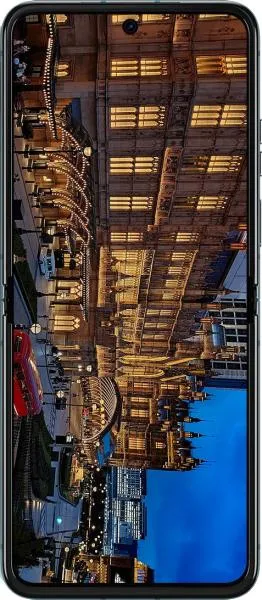
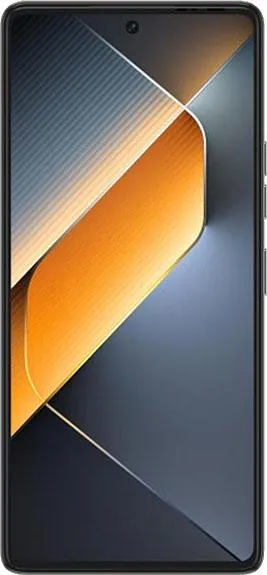
| Form Factor | Foldable | Standard | Razr 40 offers portability and a smaller footprint when closed, but potentially added fragility. Pova 6 Pro is a traditional slab design. |
| Dimensions (mm) | 170.8 x 74 x 7.4 | 165.5 x 76.1 x 7.9 | Razr 40 is significantly more compact when folded. Pova 6 Pro is thinner when unfolded. |
| Weight (g) | 188.6 | 198 | Razr 40 is slightly lighter despite the folding mechanism. |
| Display | |||
| Display Type | Foldable LTPO AMOLED | AMOLED | Razr 40's folding display allows for a large screen in a compact device, but may have a crease. Pova 6 Pro offers a standard, potentially more durable display. |
| Size (inches) | 6.9 | 6.78 | Negligible difference in screen real estate. |
| Resolution | 1080 x 2640 | 1080 x 2436 | Similar sharpness; Razr 40 slightly taller due to aspect ratio. |
| Refresh Rate (Hz) | 144 | 120 | Razr 40 offers smoother animations and scrolling, but at a potential cost to battery life. |
| Peak Brightness (nits) | 1400 | 1300 | Razr 40 should be slightly more visible in direct sunlight. |
| Performance | |||
| Chipset | Snapdragon 7 Gen 1 (4nm) | Dimensity 6080 (6nm) | Snapdragon 7 Gen 1 generally offers better performance and efficiency than the Dimensity 6080. |
| CPU | Octa-core (1x2.4 GHz A710 & 3x2.36 GHz A710 & 4x1.8 GHz A510) | Octa-core (2x2.4 GHz A76 & 6x2.0 GHz A55) | While both have similar peak clock speeds, the architecture differences favor the Snapdragon 7 Gen 1 for sustained performance. |
| GPU | Adreno 644 | Mali-G57 MC2 | Adreno 644 generally provides a superior gaming and graphics rendering experience compared to the Mali-G57 MC2. |
| RAM (GB) | 8 | 12 | Pova 6 Pro offers more RAM, potentially better for multitasking and keeping apps in memory. |
| Camera | |||
| Main Camera (MP) | 64 | 108 | Pova 6 Pro boasts higher resolution, potentially capturing more detail. Real-world image quality depends on sensor and processing. |
| Video Recording | 4K@30fps with EIS | 1440p@30fps | Razr 40 offers higher resolution video recording. Both have Electronic Image Stabilization (EIS). |
| Battery | |||
| Capacity (mAh) | 4200 | 6000 | Pova 6 Pro offers significantly longer battery life. |
2. Key Differences Analysis
Motorola Razr 40 Advantages:
- Portability: The foldable design provides unmatched portability.
- Higher-end Chipset: The Snapdragon 7 Gen 1 offers noticeably better performance in most tasks.
- Smoother Display: The 144Hz refresh rate provides a more fluid user experience.
- Higher Resolution Video Recording: Captures more detailed videos.
Tecno Pova 6 Pro Advantages:
- Longer Battery Life: The 6000mAh battery will last significantly longer on a single charge.
- Larger RAM: Better for multitasking and demanding applications.
- Higher Resolution Main Camera: Potentially captures more detailed photos.
- Lower Price: Generally more affordable. (Specific pricing needs confirmation based on retailer and region.)
3. User Profiles & Recommendations
Motorola Razr 40: Ideal for users who prioritize portability and style and are willing to compromise on battery life for a more compact device. Suitable for those who value a premium feel and smoother performance.
Tecno Pova 6 Pro: Best suited for users who prioritize battery life and value a large screen for media consumption. A good option for budget-conscious buyers who need a reliable device for everyday tasks.
4. Decision Framework
Key Questions for Buyers:
- Portability vs. Battery Life: Is a compact, foldable design more important than all-day battery life?
- Performance vs. Price: Is a more powerful processor and smoother display worth a higher price?
- Style vs. Practicality: Is the novelty of a foldable phone worth potential durability concerns?
Scenario-Based Recommendations:
- Frequent Traveler: Razr 40 for its pocketability.
- Heavy Media Consumer: Pova 6 Pro for its large screen and long battery life.
- Budget-Conscious Gamer: Pova 6 Pro offers decent performance at a lower price.
- Tech Enthusiast: Razr 40 for its innovative foldable design and superior chipset.
My Choice: Motorola Razr 40
While the Tecno Pova 6 Pro offers impressive battery life and a larger RAM, I would choose the Motorola Razr 40. The superior performance of the Snapdragon 7 Gen 1, the smoother 144Hz display, and the innovative foldable design are compelling factors for me. I prioritize portability and a premium user experience, and I'm willing to compromise on battery life to achieve that. The compact form factor of the Razr 40 fits my lifestyle better, and I find the potential of foldable technology exciting. The slightly higher price is justifiable for the significant advantages in performance and portability.
