1. Specifications Comparison
| Feature | Motorola Razr 40 | TCL 50 SE | Practical Impact |
|---|---|---|---|
| Design | |||
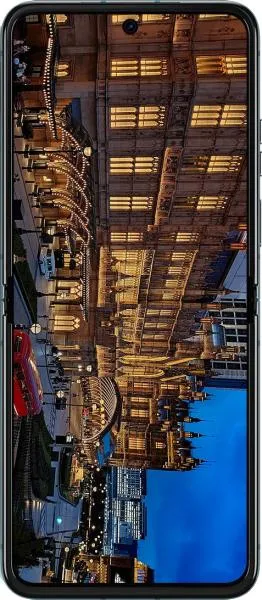
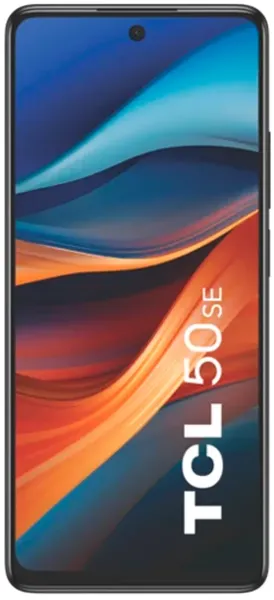
| Form Factor | Foldable | Standard | Razr 40 offers portability and a unique form factor, TCL 50 SE is a traditional slab phone. |
| Dimensions (mm) | 170.8 x 74 x 7.4 | 168.2 x 75.5 x 8.1 | Razr 40 is significantly thinner and more compact when folded, but slightly taller unfolded. TCL 50 SE is larger overall. |
| Weight (g) | 188.6 | 195 | Razr 40 is noticeably lighter. |
| Display | |||
| Display Type | Foldable LTPO AMOLED | IPS LCD | Razr 40 provides deeper blacks, more vibrant colors, and better power efficiency due to LTPO. TCL 50 SE's LCD is less impressive visually. |
| Size (inches) | 6.9 | 6.78 | Negligible size difference in practical use. |
| Resolution | 1080 x 2640 | 1080 x 2460 | Comparable sharpness, although Razr 40 has a slightly taller aspect ratio. |
| Refresh Rate (Hz) | 144 | 90 | Razr 40 offers smoother animations and scrolling. |
| Performance | |||
| Chipset | Snapdragon 7 Gen 1 (4 nm) | MediaTek Helio G88 (12 nm) | Snapdragon 7 Gen 1 offers significantly better performance and efficiency. |
| CPU | Octa-core (1x2.4 GHz Cortex-A710 & 3x2.36 GHz Cortex-A710 & 4x1.8 GHz Cortex-A510) | Octa-core (2x2.0 GHz Cortex-A75 & 6x1.8 GHz Cortex-A55) | Razr 40's CPU architecture is more modern and powerful, resulting in faster app loading, smoother multitasking, and better gaming performance. |
| GPU | Adreno 644 | Mali-G52 MC2 | Adreno 644 provides superior graphics performance for demanding games and applications. |
| RAM (GB) | 8 | 6 | More RAM on the Razr 40 allows for better multitasking and smoother performance. However, the TCL 50 SE configuration in this comparison has only 4GB, making the difference even greater. |
| Camera | |||
| Main Camera (MP) | 64 | 50 | Razr 40 likely offers better image quality due to a potentially larger sensor and more advanced processing (details limited for both). |
| Video Recording | 4K@30fps with EIS | 1080p@30fps | Razr 40 supports higher resolution video recording and Electronic Image Stabilization (EIS) for smoother footage. |
| Battery | |||
| Capacity (mAh) | 4200 | 5010 | TCL 50 SE has a significantly larger battery, potentially leading to longer battery life despite the less efficient display. |
2. Key Differences Analysis
Motorola Razr 40 Advantages:
- Foldable Design: Increased portability and a unique form factor.
- Superior Display: AMOLED with higher refresh rate and better color accuracy.
- Significantly Better Performance: Faster processor, GPU, and more RAM.
- Higher Resolution Video Recording: 4K@30fps with EIS.
TCL 50 SE Advantages:
- Larger Battery: Potentially longer battery life.
- Lower Price: Offers a more budget-friendly option (based on provided prices).
Trade-offs:
- Razr 40: Smaller battery capacity for its performance level, potentially shorter battery life. Higher price.
- TCL 50 SE: Less powerful performance, lower quality display, lower resolution video recording.
3. User Profiles & Recommendations
Motorola Razr 40: Ideal for users who value portability, a stylish design, a high-quality display, and smooth performance. Suitable for demanding tasks, multitasking, and mobile gaming. Good for those who want the latest technology and are willing to pay a premium.
TCL 50 SE: Ideal for budget-conscious users who prioritize battery life and basic functionality. Suitable for everyday tasks like browsing, social media, and communication. A good option for those seeking a large screen without high performance needs.
4. Decision Framework
Key Questions for Buyers:
- Is portability and a unique design a high priority? If yes, the Razr 40's foldable design is a compelling feature.
- What is your budget? The TCL 50 SE offers a more affordable option.
- What level of performance do you need? For demanding tasks and gaming, the Razr 40 is significantly better. If your needs are basic, the TCL 50 SE may suffice.
My Choice: Motorola Razr 40
While the TCL 50 SE offers a compelling price and larger battery, the Motorola Razr 40 is the superior device overall. The significantly improved performance, stunning display, and unique foldable design are worth the price premium for me. I prioritize a smooth and enjoyable user experience, and the Razr 40 delivers that with its powerful hardware and high refresh rate display. The portability offered by the foldable design is also a major draw. While battery life might be a concern, I'm willing to compromise for the other advantages the Razr 40 offers. Furthermore, advancements in battery technology and power optimization often mean real-world battery life is better than the specifications suggest.
