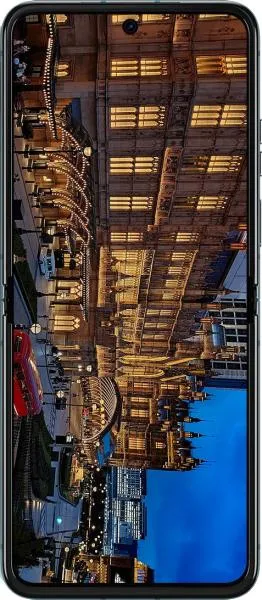
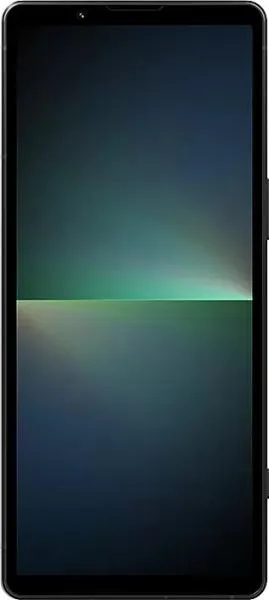
1. Specifications Comparison
| Feature | Motorola Razr 40 | Sony Xperia 5 V | Practical Impact |
|---|---|---|---|
| Design | |||
| Dimensions (mm) | 170.8 x 74 x 7.4 (folded) | 154 x 68 x 8.6 | Razr 40 significantly more compact when folded, pocketable; Xperia 5 V traditional candybar design. |
| Weight (g) | 188.6 | 182 | Negligible weight difference in practical use. |
| Foldable | Yes | No | Razr 40 offers a larger screen in a smaller form factor when folded; Xperia 5 V offers a more durable, traditional design. |
| Display | |||
| Size (inches) | 6.9 | 6.1 | Razr 40 offers a larger main display for media consumption; Xperia 5 V is more one-hand friendly. |
| Resolution (pixels) | 1080 x 2640 | 1080 x 2520 | Similar pixel density, sharpness comparable; Razr 40's taller aspect ratio better for scrolling. |
| Refresh Rate (Hz) | 144 | 120 | Razr 40 may offer slightly smoother animations and scrolling, but the difference is minimal in real-world use. |
| Display Type | Foldable LTPO AMOLED | OLED | Razr 40's foldable display allows for unique use cases like Flex View; Xperia 5 V's traditional OLED offers potentially better durability. |
| Performance | |||
| Chipset | Snapdragon 7 Gen 1 | Snapdragon 8 Gen 2 | Xperia 5 V has a significantly more powerful chipset, resulting in noticeably better performance for demanding tasks and gaming. |
| CPU | Octa-core (1x2.4 GHz Cortex-A710 & 3x2.36 GHz Cortex-A710 & 4x1.8 GHz Cortex-A510) | Octa-core (1x3.2 GHz Cortex-X3 & 2x2.8 GHz Cortex-A715 & 2x2.8 GHz Cortex-A710 & 3x2.0 GHz Cortex-A510) | Xperia 5 V's CPU offers superior processing power across the board. |
| GPU | Adreno 644 | Adreno 740 | Xperia 5 V's GPU provides a substantial advantage in graphics performance for gaming and visually intensive applications. |
| RAM (GB) | 8 | 8 | Equal RAM; multitasking performance will likely be bottlenecked by the Razr 40's weaker processor. |
| Camera | |||
| Main Camera (MP) | 64 | 48 | While Razr 40 has a higher megapixel count, Xperia 5 V uses a larger sensor (1/1.4") and advanced features for potentially superior image quality. |
| DXOMARK Score | Not Available | 118 | Xperia 5 V's camera system is objectively rated as excellent. Razr 40's camera performance is unknown. |
| Battery | |||
| Capacity (mAh) | 4200 | 5000 | Xperia 5 V offers significantly longer battery life. |
2. Key Differences Analysis
Motorola Razr 40 Advantages:
- Portability: Significantly more compact when folded.
- Unique Form Factor: Foldable design with Flex View for unique use cases.
- More Affordable: Generally priced lower than the Xperia 5 V.
Sony Xperia 5 V Advantages:
- Superior Performance: Significantly more powerful processor and GPU for demanding tasks and gaming.
- Longer Battery Life: Larger battery capacity for extended use.
- Excellent Camera: Proven high-quality camera system with advanced features.
- More Durable Design: Traditional candybar design likely more resistant to wear and tear.
3. User Profiles & Recommendations
Motorola Razr 40: Ideal for users who prioritize portability and a unique form factor above all else. Suitable for light to moderate usage, social media, and casual photography. Excellent for those seeking a compact phone for easy pocket carry.
Sony Xperia 5 V: Ideal for users who prioritize performance, battery life, and camera quality. Suitable for demanding tasks, mobile gaming, photography enthusiasts, and power users.
4. Decision Framework
Key Questions for Buyers:
- How important is portability and a foldable design?
- What is your typical smartphone usage (light, moderate, heavy)?
- What is your budget?
Scenario-Based Recommendations:
- Prioritize Portability and Style: Choose the Razr 40.
- Prioritize Performance, Battery, and Camera: Choose the Xperia 5 V.
- On a Tight Budget and Need a Compact Phone: Choose the Razr 40.
My Choice: Sony Xperia 5 V
While the Razr 40's foldable design is intriguing, the Xperia 5 V's superior performance, battery life, and camera system are more important to me. I value a smooth user experience for demanding tasks and gaming, and the Xperia 5 V delivers in those areas. The significantly longer battery life and excellent camera are also major factors in my decision. While the Razr 40's portability is attractive, I am willing to sacrifice some compactness for a more well-rounded and powerful device. The confirmed excellent camera quality of the Xperia 5 V further solidifies my choice.
