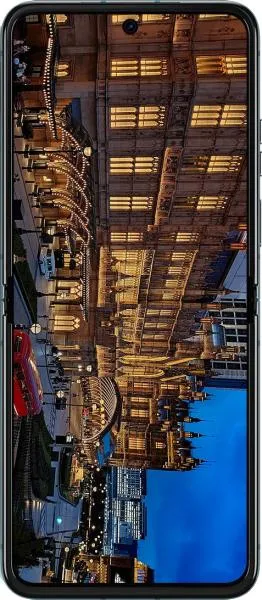

1. Specifications Comparison
| Feature | Motorola Razr 40 | Sony Xperia 10 V | Practical Impact |
|---|---|---|---|
| Design | |||
| Form Factor | Foldable | Standard | Razr 40 offers greater portability when folded, Xperia 10 V is a traditional candybar design. |
| Dimensions (mm) | 170.8 x 74 x 7.4 | 155 x 68 x 8.3 | Razr 40 is taller and wider unfolded, significantly smaller folded; Xperia 10 V is thinner overall. |
| Weight (g) | 188.6 | 159 | Razr 40 is noticeably heavier. |
| Display | |||
| Display Type | Foldable LTPO AMOLED | OLED | Razr 40's folding display allows for a larger screen in a smaller device; both offer vibrant colors and deep blacks. |
| Size (inches) | 6.9 | 6.1 | Razr 40 provides significantly more screen real estate for multitasking and media consumption. |
| Resolution | 1080 x 2640 | 1080 x 2520 | Similar sharpness, but Razr 40's larger display might show individual pixels more readily. |
| Refresh Rate | 144Hz | Unspecified | Razr 40 will offer smoother scrolling and animations, impacting gaming and general UI responsiveness. |
| Performance | |||
| Chipset | Snapdragon 7 Gen 1 | Snapdragon 695 5G | Razr 40's 7 Gen 1 offers better performance in demanding tasks and gaming. |
| CPU | Octa-core (1x2.4 GHz Cortex-A710 & 3x2.36 GHz Cortex-A710 & 4x1.8 GHz Cortex-A510) | Octa-core (2x2.2 GHz Kryo 660 Gold & 6x1.7 GHz Kryo 660 Silver) | Razr 40's CPU architecture and higher clock speeds provide a performance advantage. |
| GPU | Adreno 644 | Adreno 619 | Razr 40 provides a significantly better graphical experience for gaming and visually intensive applications. |
| RAM | 8GB | 6GB/8GB | More RAM in the Razr 40 aids in multitasking and app switching. |
| Camera | |||
| Main Camera | 64MP | 48MP | Razr 40 boasts a higher resolution main sensor. Image quality depends on factors beyond resolution. |
| Ultrawide | 13MP | 8MP | Razr 40's ultrawide offers higher resolution. |
| Telephoto | N/A | 8MP | Xperia 10 V offers optical zoom capability, missing on the Razr 40. |
| Video | 4K@30fps | 1080p@30fps | Razr 40 capable of recording higher resolution video. |
| Battery | |||
| Capacity | 4200 mAh | 5000 mAh | Xperia 10 V offers a significantly larger battery, likely resulting in longer battery life. |
2. Key Differences Analysis
Motorola Razr 40 Advantages:
- Foldable Design: Increased portability.
- Superior Performance: Noticeably faster CPU and GPU for smoother operation and better gaming.
- Higher Refresh Rate Display: Smoother visuals and improved responsiveness.
- Higher Resolution Main Camera: Potentially better detail in photos.
Sony Xperia 10 V Advantages:
- Larger Battery: Potentially much longer battery life.
- Lighter and Thinner (unfolded): More comfortable for one-handed use.
- Optical Zoom: Versatility in photography for capturing distant subjects.
- Lower Price: Potentially more budget-friendly depending on configuration.
3. User Profiles & Recommendations
Motorola Razr 40: Users who prioritize portability and cutting-edge technology, value a large screen for media consumption and multitasking, and are willing to compromise on battery life for a foldable design. Use Cases: Frequent travelers, content creators, mobile gamers.
Sony Xperia 10 V: Users who prioritize battery life, seek a reliable and lightweight device for everyday use, and appreciate an optical zoom camera. Use Cases: Casual users, students, budget-conscious buyers.
4. Decision Framework
Key Questions:
- How important is portability versus battery life?
- Is a foldable design a must-have?
- What is your budget and performance requirement?
Scenario-Based Recommendations:
- Frequent Traveler: Razr 40 for its compact folded size.
- Heavy Media Consumer: Razr 40 for its larger, high refresh rate display.
- Budget-Conscious User: Xperia 10 V for its lower price and long battery life.
- Photography Enthusiast: Xperia 10 V for its optical zoom capability (though image quality comparisons are needed due to sensor differences).
My Choice: Sony Xperia 10 V
While the Razr 40 offers enticing features like a foldable design and powerful performance, the Sony Xperia 10 V better suits my personal needs. I prioritize battery life and a lightweight, comfortable phone for everyday use. The inclusion of an optical zoom lens adds valuable versatility to the camera, making it a more well-rounded device for my typical usage. While the Razr 40's folding capability is intriguing, the trade-offs in battery life and weight are not appealing to me. The Xperia 10 V offers excellent value for its price, providing a reliable and practical smartphone experience.
