1. Specifications Comparison
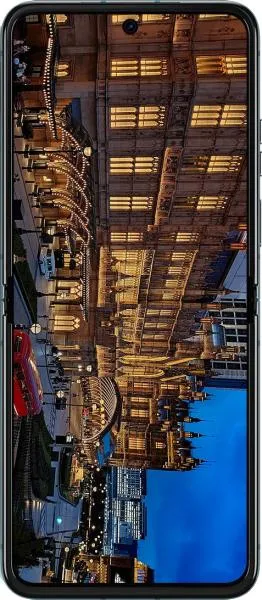
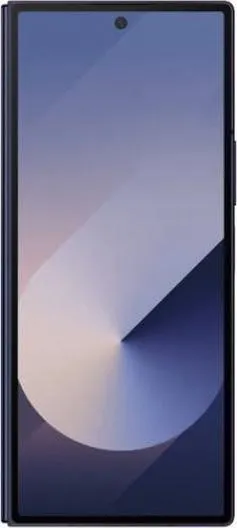
| Feature | Motorola Razr 40 | Samsung Galaxy Z Fold6 | Practical Impact |
|---|---|---|---|
| Design | |||
| Dimensions (mm) | 170.8 x 74 x 7.4 | 153.5 x 132.6 x 5.6 | Razr 40 is taller and narrower when folded, Z Fold6 is wider but significantly thinner. Z Fold6 might feel more pocketable when folded due to its reduced thickness. |
| Weight (g) | 188.6 | 239 | Razr 40 is noticeably lighter, reducing hand fatigue during extended use. |
| Foldable | Yes | Yes | Both offer foldable screen technology, enabling compact portability and larger screen real estate when unfolded. |
| Display | |||
| Main Display Size (inches) | 6.9 | 7.6 | Z Fold6 offers a larger main display, providing a more immersive experience for media consumption and multitasking. |
| Main Display Resolution | 1080 x 2640 | 1856 x 2160 | While Razr 40 has a higher vertical resolution, Z Fold6 boasts a larger overall pixel count, resulting in sharper visuals due to higher pixel density on the larger screen. |
| Refresh Rate (Hz) | 144 | 120 | Razr 40's higher refresh rate results in smoother animations and scrolling, especially noticeable in gaming and fast-paced content. |
| Peak Brightness (nits) | 1400 | 2600 | Z Fold6's significantly higher peak brightness ensures better visibility in direct sunlight. |
| Performance | |||
| Chipset | Snapdragon 7 Gen 1 | Snapdragon 8 Gen 3 | Z Fold6's 8 Gen 3 offers a substantial performance advantage over the Razr 40's 7 Gen 1, resulting in faster app loading, smoother multitasking, and better gaming performance. |
| RAM (GB) | 8 | 12 | Z Fold6's larger RAM capacity allows for more apps to run in the background without performance degradation, enhancing multitasking capabilities. |
| Camera | |||
| Main Camera (MP) | 64 | 50 | While megapixel count isn't everything, the Z Fold6 likely utilizes a larger sensor and advanced image processing due to its higher-end chipset, potentially leading to better image quality. |
| Video Recording | 4K@30fps | 8K@30fps | Z Fold6 offers higher resolution video recording capabilities. |
| Battery | |||
| Capacity (mAh) | 4200 | 4400 | Z Fold6 has a slightly larger battery, but its larger display and more powerful processor may offset this advantage in real-world usage. Actual battery life will depend on usage patterns. |
2. Key Differences Analysis
Motorola Razr 40 Advantages:
- Lighter and More Compact: More pocketable and comfortable for extended use.
- Higher Refresh Rate: Smoother scrolling and animations.
- Lower Price: Offers a more affordable entry point into the foldable smartphone market.
Samsung Galaxy Z Fold6 Advantages:
- Larger and Sharper Main Display: More immersive experience for multimedia and productivity.
- Significantly More Powerful: Handles demanding tasks and gaming with ease.
- Brighter Display: Excellent outdoor visibility.
- Higher Resolution Video Recording: Captures more detail in videos.
- Larger Battery: Potentially longer battery life, although real-world usage will vary.
3. User Profiles & Recommendations
Motorola Razr 40:
- Ideal User: Style-conscious users prioritizing portability and affordability, primarily using their phone for everyday tasks like communication, social media, and light content consumption.
- Use Cases: Casual photography, web browsing, social media, on-the-go communication.
Samsung Galaxy Z Fold6:
- Ideal User: Power users and multitaskers who demand top-tier performance, a large screen for productivity and entertainment, and are willing to pay a premium.
- Use Cases: Demanding mobile gaming, professional photography/videography, multitasking with multiple apps, content creation, replacing a tablet or small laptop.
4. Decision Framework
Key Questions for Buyers:
- What is your budget? The Razr 40 offers a significant cost saving.
- What is your primary use case? Everyday tasks vs. demanding applications and multitasking.
- How important is portability and one-handed usability? The Razr 40 is significantly lighter and smaller when folded.
Scenario-Based Recommendations:
- Limited Budget, Prioritize Portability: Razr 40
- Demand Performance and Large Screen: Z Fold6
- Balance of Portability, Performance, and Price: Consider other options or wait for updated Razr models with more powerful chipsets.
My Choice: Samsung Galaxy Z Fold6
While the Motorola Razr 40 is a compelling option for its portability and price, I would choose the Samsung Galaxy Z Fold6. The significant performance difference, larger and brighter display, and superior camera capabilities are crucial for my usage. I prioritize a smooth and powerful user experience for demanding tasks, multitasking, and media consumption. The higher price is justified by the substantial upgrade in overall capabilities, making the Z Fold6 a more future-proof investment. The added benefit of a slightly larger battery, although potentially offset by the more powerful components, also contributes to my decision. While I acknowledge the Razr 40's advantage in portability, the Z Fold6's thinner profile addresses some of the bulkiness concerns typically associated with foldable phones, making it an acceptable trade-off for me.
