1. Specifications Comparison
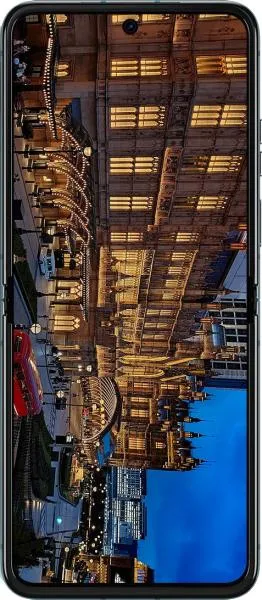
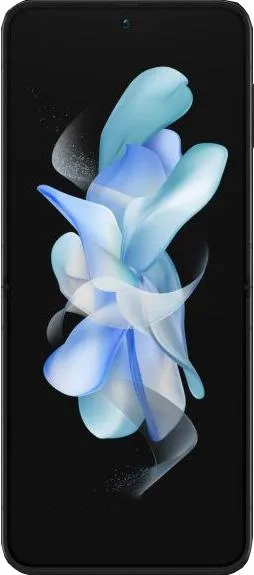
| Feature | Motorola Razr 40 | Samsung Galaxy Z Flip5 | Practical Impact |
|---|---|---|---|
| Design | |||
| Dimensions (mm) | 170.8 x 74 x 7.4 | 165.1 x 71.9 x 6.9 | Razr 40 is slightly taller and wider when unfolded. Z Flip5 is marginally thinner. |
| Weight (g) | 188.6 | 187 | Negligible weight difference in real-world usage. |
| Foldable | Yes | Yes | Both offer the portability of a clamshell design. |
| Display | |||
| Size (inches) | 6.9 | 6.7 | Razr 40 offers a slightly larger screen for media consumption. |
| Resolution (pixels) | 1080 x 2640 | 1080 x 2640 | Identical resolution, resulting in similar sharpness. |
| Refresh Rate (Hz) | 144 | 120 | Razr 40's higher refresh rate provides smoother animations and scrolling. |
| Peak Brightness (nits) | 1400 | 1750 | Z Flip5's significantly higher peak brightness ensures better outdoor visibility. |
| Performance | |||
| Chipset | Snapdragon 7 Gen 1 | Snapdragon 8 Gen 2 | Z Flip5's 8 Gen 2 offers significantly faster processing and graphics performance for demanding tasks and gaming. |
| CPU | Octa-core (1x2.4 GHz A710 & 3x2.36 GHz A710 & 4x1.8 GHz A510) | Octa-core (1x3.36 GHz X3 & 2x2.8 GHz A715 & 2x2.8 GHz A710 & 3x2.0 GHz A510) | Z Flip5's superior CPU architecture delivers a noticeable performance advantage in everyday use and multitasking. |
| GPU | Adreno 644 | Adreno 740 | Z Flip5's more powerful GPU provides a significant boost in gaming and graphics-intensive applications. |
| RAM (GB) | 8 | 8 | Equal RAM capacity should provide similar multitasking capabilities. |
| Camera | |||
| Main Camera (MP) | 64 | 12 | Razr 40 boasts higher megapixel count; however, image quality depends on sensor size and processing, which are not fully specified. |
| Selfie Camera (MP) | 32 | 10 | Razr 40 has a much higher resolution selfie camera. |
| Video Recording | 4K@30fps | 4K@60fps with HDR | Z Flip5 can record higher resolution and frame rate video with HDR, resulting in better quality footage. |
| Battery | |||
| Capacity (mAh) | 4200 | 3700 | Razr 40 has a larger battery capacity, potentially offering longer battery life. However, real-world usage varies depending on factors like display refresh rate and chipset efficiency. |
2. Key Differences Analysis
Motorola Razr 40 Advantages:
- Larger Battery: Potentially longer battery life.
- Higher Resolution Selfie Camera: Better quality self-portraits.
- Higher Refresh Rate Display: Smoother scrolling and animations.
- Lower Price: Generally more affordable.
Samsung Galaxy Z Flip5 Advantages:
- Significantly Faster Performance: Noticeably smoother and faster in everyday tasks, multitasking, and gaming.
- Brighter Display: Enhanced outdoor visibility.
- Higher Quality Video Recording: Better resolution, frame rate, and HDR support.
- More Mature Software and Ecosystem: Samsung's One UI offers a refined user experience and better long-term software support.
3. User Profiles & Recommendations
Motorola Razr 40: Ideal for budget-conscious users who prioritize battery life and a smooth display experience for everyday tasks like web browsing and social media.
Samsung Galaxy Z Flip5: Best suited for users who demand top-tier performance for gaming, multitasking, and media consumption, and value a brighter display for outdoor use. The more mature software ecosystem and longer software updates are a bonus.
4. Decision Framework
Key Questions for Buyers:
- What is your budget? The Razr 40 is generally more affordable.
- What are your performance requirements? The Z Flip5 offers a significant performance advantage.
- How important is battery life? The Razr 40 likely provides longer battery life, but real-world testing is needed to confirm.
My Choice: Samsung Galaxy Z Flip5
While the Razr 40 offers a compelling price and some advantages like a larger battery and higher refresh rate display, the Z Flip5's superior performance, brighter display, and higher quality video recording capabilities make it the better overall device for my needs. I prioritize a smooth and responsive user experience, especially for demanding tasks and gaming. The slightly higher price is justified by the significant performance gains and more refined software experience. The larger, more usable cover screen of the Z Flip 5 is also a compelling factor for quick interactions without opening the phone. While battery life is a concern, I am willing to compromise slightly in that area for the overall better performance and user experience.
