1. Specifications Comparison
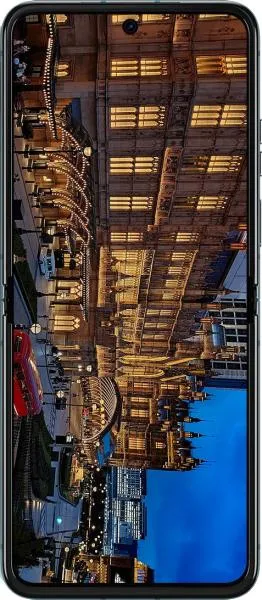
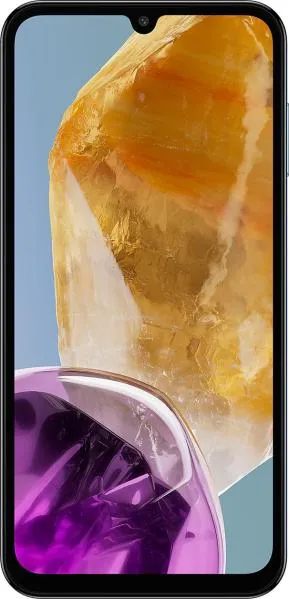
| Feature | Motorola Razr 40 | Samsung Galaxy M15 | Practical Impact |
|---|---|---|---|
| Design | |||
| Dimensions (mm) | 170.8 x 74 x 7.4 (folded) | 160.1 x 76.8 x 9.3 | Razr 40 significantly more compact when folded, easier pocketability; M15 larger, potentially better grip. |
| Weight (g) | 188.6 | 217 | Razr 40 noticeably lighter, more comfortable for extended use. |
| Foldable | Yes | No | Razr 40 offers a compact folded state and larger screen when unfolded; M15 is a traditional slab phone. |
| Display | |||
| Size (inches) | 6.9 | 6.5 | Razr 40 larger display area for media consumption and multitasking. |
| Resolution (px) | 1080 x 2640 | 1080 x 2340 | Similar sharpness due to Razr 40's larger size; both offer good pixel density for everyday use. |
| Refresh Rate (Hz) | 144 | 90 | Razr 40 smoother animations and scrolling; noticeable difference in responsiveness. |
| Display Type | Foldable LTPO AMOLED | Super AMOLED | Razr's foldable AMOLED allows for flexibility, potential crease visibility; M15's traditional AMOLED provides a consistent, flat surface. |
| Peak Brightness (nits) | 1400 | 800 | Razr 40 significantly brighter, better outdoor visibility. |
| Performance | |||
| Chipset | Snapdragon 7 Gen 1 (4nm) | Dimensity 6100+ (6nm) | Snapdragon 7 Gen 1 generally offers better performance in demanding tasks and gaming. |
| CPU | Octa-core (1x2.4 GHz A710 & 3x2.36 GHz A710 & 4x1.8 GHz A510) | Octa-core (2x2.2 GHz A76 & 6x2.0 GHz A55) | Both offer good performance for daily tasks, but Snapdragon's architecture likely provides a performance edge. |
| GPU | Adreno 644 | Mali-G57 MC2 | Adreno 644 generally considered more powerful, better gaming performance. |
| RAM (GB) | 8 | 4/6 (variant dependent) | More RAM in Razr 40 allows for better multitasking and app switching. Less RAM in M15 may lead to slower performance with multiple apps. |
| Camera | |||
| Main Camera (MP) | 64 | 50 | Both offer ample resolution for everyday photography; practical differences would depend on sensor quality and image processing, which are not fully detailed here. |
| Ultrawide/Macro | 13MP Ultrawide + Macro | 5MP Ultrawide, 2MP Macro | Razr 40 likely offers better ultrawide and macro capabilities due to higher resolution. |
| Selfie Camera (MP) | 32 | 13 | Razr 40 significantly higher resolution selfie camera, potentially better detail and quality. |
| Video Recording | 4K@30fps with EIS | 1080p@30fps with EIS | Razr 40 capable of higher resolution video recording. |
| Battery | |||
| Capacity (mAh) | 4200 | 6000 | M15 significantly larger battery capacity, potentially much longer battery life. |
2. Key Differences Analysis
Motorola Razr 40 Advantages:
- Portability: Foldable design offers unmatched portability.
- Performance: More powerful processor and GPU for demanding tasks and gaming.
- Display: Smoother refresh rate, brighter display, larger screen size.
- Camera: Higher resolution cameras across the board.
Samsung Galaxy M15 Advantages:
- Battery Life: Significantly larger battery for extended usage.
- Price: Likely more affordable based on general market trends for Samsung's M series.
- Durability: Traditional slab design potentially more durable than a foldable phone.
3. User Profiles & Recommendations
Motorola Razr 40: Users who prioritize portability, style, and a premium experience with a large screen when needed. Ideal for those who value compact size without sacrificing performance or display quality. Suitable for content consumption, gaming, and social media.
Samsung Galaxy M15: Budget-conscious users prioritizing long battery life and reliability. Suitable for basic tasks like calling, texting, browsing, and light media consumption. Best for users who don't demand high performance or cutting-edge features.
4. Decision Framework
Key Questions for Buyers:
- How important is portability? If pocketability is paramount, the Razr 40 is the clear winner.
- What's your budget? The M15 is likely more affordable.
- What are your primary use cases? Demanding tasks and media consumption favor the Razr 40; basic communication and long battery life favor the M15.
My Choice: Motorola Razr 40
While the Samsung Galaxy M15 offers a compelling advantage with its significantly longer battery life, the Motorola Razr 40 aligns better with my personal preferences and perceived needs. The foldable form factor offers a unique blend of portability and large-screen usability, which I find highly appealing. The superior performance, smoother display, and better camera system further solidify my choice. I am willing to compromise on battery life for the significant gains in portability and overall user experience offered by the Razr 40. The higher refresh rate and brighter screen are also major factors for me, as I value a fluid and responsive user interface. While the price difference might be substantial, the Razr 40's combination of innovative design and premium features justifies the investment for my needs.
