1. Specifications Comparison
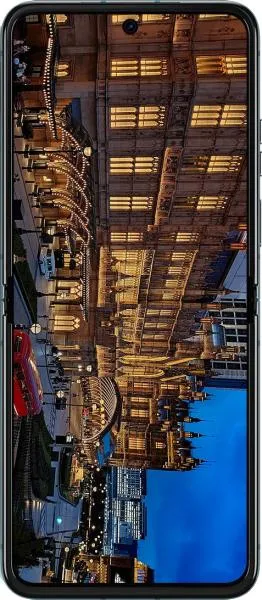
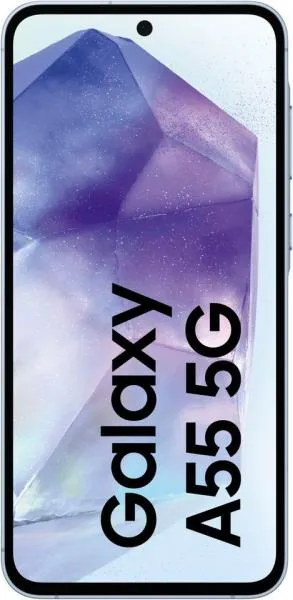
| Feature | Motorola Razr 40 | Samsung Galaxy A55 | Practical Impact |
|---|---|---|---|
| Design | |||
| Form Factor | Foldable | Standard | Razr 40 offers portability and a unique form factor, A55 is a traditional slab design. Foldable phones can be more compact for pockets but may feel bulky when open. |
| Dimensions (mm) | 170.8 x 74 x 7.4 (folded) | 161.1 x 77.4 x 8.2 | Razr 40 is significantly more compact when folded, making it pocketable. A55 is thinner overall when unfolded. |
| Weight (g) | 188.6 | 213 | Razr 40 is noticeably lighter, important for daily carry. |
| Display | |||
| Display Type | Foldable LTPO AMOLED | Super AMOLED | Both offer vibrant colors and deep blacks. LTPO on the Razr 40 should theoretically allow for more dynamic refresh rate adjustments saving battery, however, the specs indicate is_ltpo: false. This conflicting information needs clarification. |
| Size (inches) | 6.9 | 6.6 | Razr 40 provides a larger screen real estate when unfolded. |
| Resolution | 1080 x 2640 | 1080 x 2340 | Similar pixel density, resulting in comparable sharpness. Razr 40's taller aspect ratio is better suited for scrolling web pages. |
| Refresh Rate (Hz) | 144 | 120 | Razr 40 offers smoother animations and scrolling. The difference might not be perceptible to all users. |
| Performance | |||
| Chipset | Snapdragon 7 Gen 1 | Exynos 1480 | Both are mid-range chipsets. Snapdragon 7 Gen 1 generally offers better performance based on benchmarks, though real-world experience can vary. |
| CPU | Octa-core (1x2.4 GHz A710 & 3x2.36 GHz A710 & 4x1.8 GHz A510) | Octa-core (4x2.75 GHz A78 & 4x2.0 GHz A55) | A55 has faster individual core speeds (Cortex-A78 vs A710) potentially leading to better single-threaded performance. Snapdragon's architecture might be more efficient overall. |
| GPU | Adreno 644 | Xclipse 530 | Adreno 644 generally provides better gaming performance. |
| RAM (GB) | 8 | 8/12 | Both offer sufficient RAM for most tasks. The 12GB option on the A55 provides more headroom for multitasking and demanding applications. |
| Camera | |||
| Main Camera (MP) | 64 | 50 | Razr 40 has a higher resolution main sensor. However, megapixels alone don't determine image quality. A55 utilizes a Sony IMX906 sensor known for good performance. |
| Ultrawide (MP) | 13 | 13 | Comparable ultrawide cameras. |
| Macro (MP) | N/A | 5 | A55 offers a dedicated macro camera for close-up shots. |
| Selfie (MP) | 32 | 32 | Comparable selfie cameras. |
| Battery | |||
| Capacity (mAh) | 4200 | 5000 | A55 has significantly larger battery capacity, likely translating to longer battery life. Folding displays often consume more power, potentially offsetting Razr 40's LTPO benefits. |
2. Key Differences Analysis
Motorola Razr 40 Advantages:
- Portability: Significantly more compact when folded.
- Larger Main Display: More screen real estate for multimedia consumption and multitasking.
- Smoother Display: Higher refresh rate for fluid animations.
- Generally Better Performing GPU: Advantageous for gaming.
Samsung Galaxy A55 Advantages:
- Longer Battery Life: Larger battery capacity for extended usage.
- Potentially Better Single-Threaded CPU Performance: Could lead to faster app loading times.
- Dedicated Macro Camera: Enables close-up photography.
- More RAM Options: 12GB variant available for enhanced multitasking.
- Newer OS with Longer Support: Ships with Android 14 and likely longer updates compared to Razr 40.
3. User Profiles & Recommendations
Motorola Razr 40: Ideal for users who prioritize portability and a unique form factor, accepting potential trade-offs in battery life. Suitable for those who value a large, smooth display for media consumption and casual gaming.
Samsung Galaxy A55: Suitable for users who prioritize battery life, camera versatility, and a more traditional smartphone experience. Good choice for those seeking a reliable device with long-term software support.
4. Decision Framework
Key Questions for Buyers:
- How important is portability? If pocketability is paramount, the Razr 40's foldable design is a significant advantage.
- What is your primary usage? Heavy multimedia users might prefer the Razr 40's larger display, while those focused on all-day battery life would lean towards the A55.
- What is your budget and desired software support lifecycle? The A55's longer software support and potential lower price for the 8GB version make it a value proposition.
My Choice: Samsung Galaxy A55
While the Razr 40's foldable design is intriguing, the A55's significantly larger battery, newer Android version with longer update support, and the versatile camera system with a dedicated macro lens make it a more practical choice for my needs. I prioritize battery life and long-term usability over a slightly larger screen or marginally smoother refresh rate. The potential for better single-threaded performance is also appealing. While I acknowledge the Razr's portability advantage, I believe the A55 offers a better overall package for my daily usage. The conflicting information regarding the Razr 40's LTPO display also raises concerns. Finally, the inclusion of a dedicated macro lens on the A55 adds versatility for my photography interests.
