1. Specifications Comparison
| Feature | Motorola Razr 40 | Samsung Galaxy A35 | Practical Impact |
|---|---|---|---|
| Design | |||
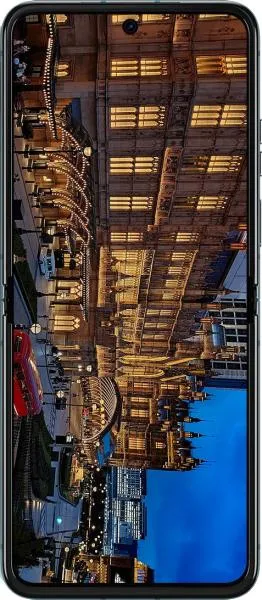
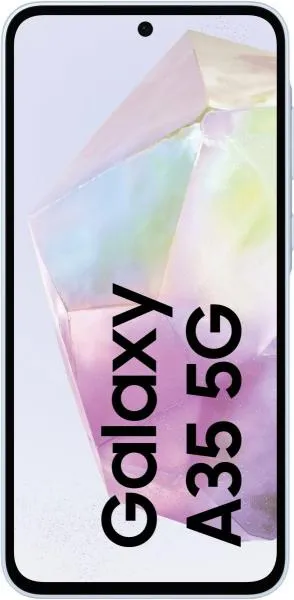
| Form Factor | Foldable | Standard | Razr 40 offers portability and a compact closed size, but introduces a potential point of failure with the hinge. A35 is a traditional slab design. |
| Dimensions (mm) | 170.8 x 74 x 7.4 (unfolded) | 161.7 x 78 x 8.2 | Razr 40 is significantly thinner and slightly narrower when unfolded but thicker when folded. A35 is larger overall. |
| Weight (g) | 188.6 | 209 | Razr 40 is noticeably lighter, improving one-handed usability, especially in the folded state. |
| Display | |||
| Display Type | Foldable LTPO AMOLED | Super AMOLED | Razr 40's foldable display allows for a larger screen in a smaller device but may have a crease. A35 offers a standard, uninterrupted display. |
| Size (inches) | 6.9 | 6.6 | Razr 40 provides more screen real estate for multitasking and media consumption when unfolded. |
| Resolution | 1080 x 2640 | 1080 x 2340 | Both offer similar sharpness, though Razr 40 is slightly denser due to the larger screen size. |
| Refresh Rate (Hz) | 144 | 120 | Razr 40 offers smoother animations and scrolling, though the difference might not be noticeable to all users. |
| Performance | |||
| Chipset | Snapdragon 7 Gen 1 | Exynos 1380 | Both chipsets target mid-range performance. Exynos 1380, being newer, likely offers better efficiency and potentially slightly improved performance. |
| CPU | Octa-core (1x2.4 GHz A710 & 3x2.36 GHz A710 & 4x1.8 GHz A510) | Octa-core (4x2.4 GHz A78 & 4x2.0 GHz A55) | While both are octa-core, architectural differences exist. Direct performance comparison requires benchmarks, which are not provided. |
| GPU | Adreno 644 | Mali-G68 MP5 | GPU performance differences require benchmarks. |
| RAM (GB) | 8 | 6/8 (Variant dependent) | More RAM on the Razr 40 can improve multitasking performance. |
| Camera | |||
| Main Camera (MP) | 64 | 50 | Megapixel count doesn't solely determine image quality. Samsung's 50MP sensor with a larger sensor size (1/1.96") and pixel binning could potentially offer better low-light performance. |
| Ultrawide (MP) | 13 | 8 | Razr has a higher resolution ultrawide. |
| Macro (MP) | N/A | 5 | A35 offers a dedicated macro lens for close-up shots. |
| Selfie (MP) | 32 | 13 | Razr 40 boasts a higher resolution selfie camera. |
| Battery | |||
| Capacity (mAh) | 4200 | 5000 | A35 offers significantly longer battery life due to larger capacity. Foldable phones often compromise on battery size. |
2. Key Differences Analysis
Motorola Razr 40 Advantages:
- Portability: The foldable design offers unmatched portability.
- Higher Refresh Rate Display: Smoother scrolling and animations.
- Higher Resolution Selfie Camera: Better quality self-portraits.
Samsung Galaxy A35 Advantages:
- Larger Battery: Significantly longer battery life.
- Potentially Better Main Camera Performance: Larger sensor size and pixel binning on the A35 suggest better low-light performance. This requires real world comparison to confirm.
- More Affordable: Pricing data suggests the A35 is generally cheaper. This can vary by region and retailer.
Trade-offs:
- Razr 40: Portability comes at the cost of battery life and potential durability concerns with the hinge.
- A35: Larger battery and potentially better camera come in a larger, less portable form factor.
3. User Profiles & Recommendations
Motorola Razr 40: Ideal for users who prioritize portability and style above all else and are willing to compromise on battery life. Suitable for those who value a compact phone for easy one-handed use and pocket storage.
Samsung Galaxy A35: Suited for users who prioritize battery life, camera quality, and affordability. A good choice for those who consume a lot of media, play games, or require a phone that can last all day on a single charge.
4. Decision Framework
Key Questions:
- How important is portability? If ultimate portability is paramount, the Razr 40 is the clear winner.
- What is your budget? The A35 generally offers better value for money due to its lower price and larger battery.
- How important is battery life? If all-day battery life is essential, the A35 is the better option.
My Choice: Samsung Galaxy A35
While the Razr 40's foldable design is intriguing, the significantly larger battery and potentially superior main camera of the A35, combined with its lower price, make it the more compelling choice for me. I prioritize battery life and overall value. The A35's more conventional design also means fewer potential points of failure and a likely longer lifespan. While I appreciate the innovation of foldable phones, the A35 better suits my practical needs.
