1. Specifications Comparison
| Feature | Motorola Razr 40 | Samsung Galaxy A15 5G | Practical Impact |
|---|---|---|---|
| Design | |||
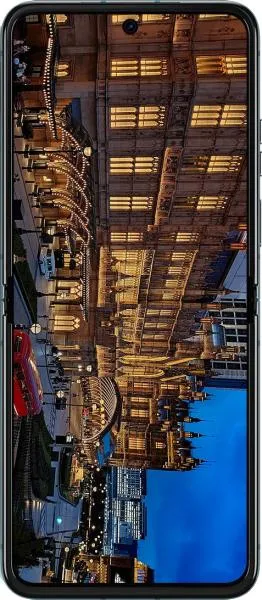
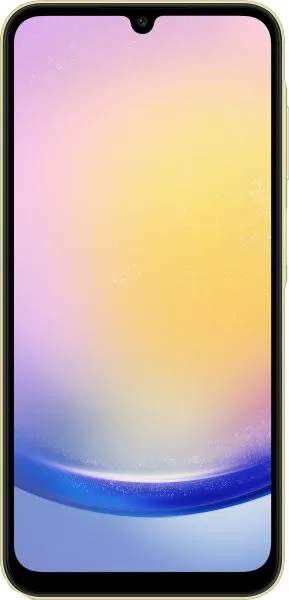
| Dimensions (mm) | 170.8 x 74 x 7.4 | 160.1 x 76.8 x 8.4 | Razr 40 is significantly more compact when folded, making it highly pocketable. A15 is a traditional candybar design. |
| Weight (g) | 188.6 | 200 | Razr 40 is slightly lighter. |
| Foldable | Yes | No | Razr 40 offers a larger screen in a smaller form factor due to its foldable design. |
| Display | |||
| Display Type | Foldable LTPO AMOLED | Super AMOLED | Both offer vibrant colors and deep blacks. LTPO on the Razr 40 should imply better power efficiency with variable refresh rate, but the specs indicate it's not LTPO. |
| Size (inches) | 6.9 | 6.5 | Razr 40 provides a larger main screen for immersive content consumption. |
| Resolution | 1080 x 2640 | 1080 x 2340 | Similar sharpness, but Razr 40 is slightly sharper due to the larger screen size with the same resolution. |
| Refresh Rate (Hz) | 144 | 90 | Razr 40 offers smoother scrolling and animations. |
| Peak Brightness (nits) | 1400 | 800 | Razr 40 will be significantly more visible in direct sunlight. |
| Performance | |||
| Chipset | Snapdragon 7 Gen 1 (4nm) | Dimensity 6100+ (6nm) | Snapdragon 7 Gen 1 generally offers better performance and efficiency. |
| CPU | Octa-core (1x2.4 GHz Cortex-A710 & 3x2.36 GHz Cortex-A710 & 4x1.8 GHz Cortex-A510) | Octa-core (2x2.2 GHz Cortex-A76 & 6x2.0 GHz Cortex-A55) | While both are Octa-core, the architecture differs. The 7 Gen 1 should offer better performance in demanding tasks. |
| GPU | Adreno 644 | Mali-G57 MC2 | Adreno 644 generally provides better gaming performance. |
| RAM (GB) | 8 | 4/6/8 (depending on the version) | More RAM in Razr 40 enables better multitasking and app switching. However, the A15 comes in multiple RAM options, allowing for some flexibility. |
| Camera | |||
| Main Camera (MP) | 64 | 50 | Razr 40 has a higher resolution main sensor, potentially capturing more detail. However, megapixels alone don't determine image quality. |
| Ultrawide (MP) | 13 | 5 | Razr's ultrawide offers higher resolution. |
| Macro (MP) | N/A | 2 | A15 has a dedicated macro lens, though its low resolution might limit its usefulness. |
| Selfie (MP) | 32 | 13 | Razr 40 boasts a significantly higher resolution front-facing camera. |
| Video Recording | 4K@30fps with EIS | 1080p@30fps with EIS | Razr 40 can record higher resolution videos. |
| Battery | |||
| Capacity (mAh) | 4200 | 5000 | A15 has a larger battery capacity, potentially offering longer battery life. However, the foldable screen and higher refresh rate of the Razr 40 could consume more power. |
2. Key Differences Analysis
Motorola Razr 40 Advantages:
- Form Factor: The foldable design is the key differentiator, offering a large screen in a compact body.
- Superior Display: Higher refresh rate, brighter display, and potentially better power efficiency (although not confirmed LTPO).
- Performance: More powerful chipset and GPU for smoother performance and better gaming.
- Higher Resolution Cameras: Potentially better image and video quality.
Samsung Galaxy A15 5G Advantages:
- Larger Battery: Potentially longer battery life, though real-world usage will depend on various factors.
- Lower Price: Generally more affordable than the Razr 40.
3. User Profiles & Recommendations
Motorola Razr 40: Ideal for users who prioritize portability and a large screen, value a premium design, and are willing to pay a premium for it. Suitable for those who consume a lot of media, play games, and appreciate smooth performance.
Samsung Galaxy A15 5G: Best suited for budget-conscious users who prioritize battery life and basic functionality. A good choice for those who primarily use their phone for calling, texting, social media, and light web browsing.
4. Decision Framework
Key Questions for Buyers:
- Form Factor Preference: Do you prioritize ultimate portability with a foldable design, or are you comfortable with a traditional candybar phone?
- Budget: How much are you willing to spend on a smartphone?
- Usage Pattern: What are your primary use cases for a smartphone (e.g., media consumption, gaming, productivity)?
My Choice: Motorola Razr 40
While the Samsung Galaxy A15 5G offers a compelling value proposition with its larger battery and lower price, the Motorola Razr 40 is the phone I would choose. The foldable design is a game-changer for portability, and the superior display, performance, and camera capabilities make it a more well-rounded device. The higher refresh rate and brighter screen significantly enhance the user experience. Although the battery capacity is smaller, I'm willing to make that trade-off for the significant advantages offered by the Razr 40. The price difference is justifiable considering the innovative design and premium features.
