1. Specifications Comparison
| Feature | Motorola Razr 40 | Samsung Galaxy A15 | Practical Impact |
|---|---|---|---|
| Design | |||
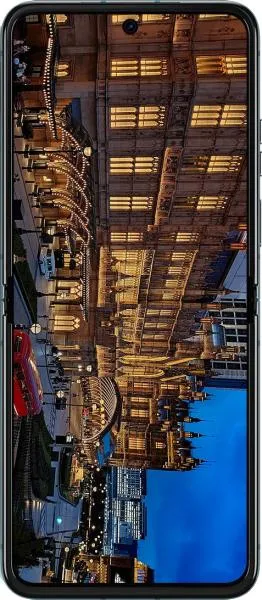
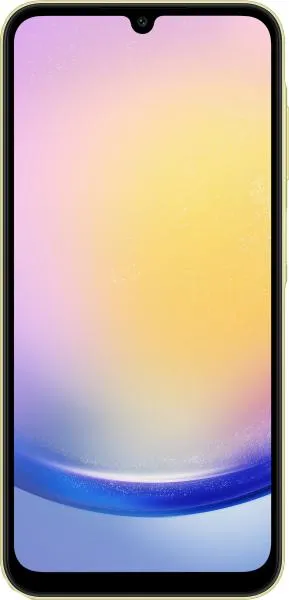
| Form Factor | Foldable | Standard | Razr 40 offers portability and a larger screen in a compact design when folded. A15 is a traditional slab phone. |
| Dimensions (mm) | 170.8 x 74 x 7.4 | 160.1 x 76.8 x 8.4 | Razr 40 is significantly thinner and slightly smaller when unfolded, but thicker when folded. A15 is larger overall. |
| Weight (g) | 188.6 | 200 | Razr 40 is lighter, despite its complex folding mechanism. |
| Display | |||
| Display Type | Foldable LTPO AMOLED | Super AMOLED | Razr 40's foldable display allows for a larger screen in a pocket-sized device. Both offer vibrant colors and deep blacks. |
| Size (inches) | 6.9 | 6.5 | Razr 40 provides a larger viewing area for media consumption and multitasking. |
| Resolution (px) | 1080 x 2640 | 1080 x 2340 | Both have similar sharpness, but Razr 40's taller aspect ratio is better for scrolling web pages. |
| Refresh Rate (Hz) | 144 | 90 | Razr 40 will feel significantly smoother for scrolling, gaming, and animations. |
| Peak Brightness (nits) | 1400 | 800 | Razr 40 will be much more visible in direct sunlight. |
| Performance | |||
| Chipset | Snapdragon 7 Gen 1 (4nm) | Mediatek Helio G99 (6nm) | Snapdragon 7 Gen 1 generally offers better performance and efficiency. |
| CPU | Octa-core (1x2.4 GHz Cortex-A710 & 3x2.36 GHz Cortex-A710 & 4x1.8 GHz Cortex-A510) | Octa-core (2x2.2 GHz Cortex-A76 & 6x2.0 GHz Cortex-A55) | Razr 40's CPU architecture is more modern and should provide superior performance, especially in demanding tasks. |
| GPU | Adreno 644 | Mali-G57 MC2 | Adreno 644 offers better gaming performance. |
| RAM (GB) | 8 | 4/6/8 (Variant Dependent) | 8GB RAM on Razr 40 ensures smooth multitasking. A15 RAM varies by model. |
| Camera | |||
| Main Camera (MP) | 64 | 50 | Razr 40 may offer slightly better detail in photos, but real-world performance depends on sensor and processing. |
| Ultrawide (MP) | 13 | 5 | Razr 40 has a significantly higher resolution ultrawide camera. |
| Selfie Camera (MP) | 32 | 13 | Razr 40 boasts a much higher resolution selfie camera. |
| Video Recording | 4K@30fps with EIS | 1080p@30fps | Razr 40 supports higher resolution video recording. |
| Battery | |||
| Capacity (mAh) | 4200 | 5000 | A15 has a larger battery capacity, potentially offering longer battery life, but the foldable screen and higher refresh rate of the Razr 40 might offset this advantage. |
2. Key Differences Analysis
Motorola Razr 40 Advantages:
- Foldable Design: Offers portability and a larger screen in a compact form factor.
- Superior Display: Higher refresh rate, peak brightness, and a larger screen size provide a more immersive viewing experience.
- Better Performance: More powerful chipset and GPU for smoother multitasking and gaming.
- Higher Resolution Cameras: Better overall camera specifications, especially for the ultrawide and selfie cameras.
Samsung Galaxy A15 Advantages:
- Larger Battery: Potentially longer battery life.
- Lower Price: Expected to be more affordable.
3. User Profiles & Recommendations
Motorola Razr 40: Ideal for users who prioritize portability, a large screen, and strong performance. Suitable for content consumption, multitasking, and light gaming.
Samsung Galaxy A15: Best suited for budget-conscious users who prioritize battery life and basic functionality. Good for casual use, calling, texting, and social media browsing.
4. Decision Framework
Key Questions:
- Is portability and a large screen a priority? If yes, the Razr 40's foldable design is a compelling feature.
- What is your budget? The A15 is likely to be significantly cheaper.
- What is your typical usage? For demanding tasks and media consumption, the Razr 40 is better equipped. For basic use, the A15 is sufficient.
My Choice: Motorola Razr 40
While the Samsung Galaxy A15 offers a larger battery and lower price, the Motorola Razr 40's foldable design, superior display, and significantly better performance make it the more compelling choice for me. The portability of a foldable phone combined with a large, high-refresh-rate screen is a significant advantage. The improved performance ensures a smoother and more enjoyable user experience for various tasks. Although battery life might be a concern, the trade-off for the added functionality and portability is worthwhile for my needs. The price difference is justifiable considering the premium features offered by the Razr 40.
