1. Specifications Comparison
| Feature | Motorola Razr 40 | Samsung Galaxy A05 | Practical Impact |
|---|---|---|---|
| Design | |||
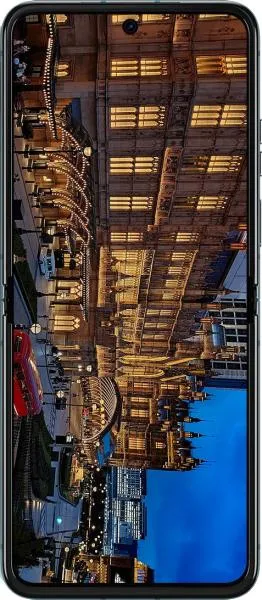
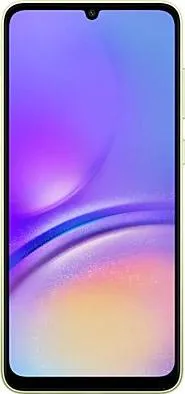
| Dimensions (mm) | 170.8 x 74 x 7.4 (Folded) | 168.8 x 78.2 x 8.8 | Razr 40 significantly more compact when folded, pocketable; A05 larger, traditional candybar design. |
| Weight (g) | 188.6 | 195 | Razr 40 slightly lighter despite foldable design. |
| Foldable | Yes | No | Razr 40 offers a larger screen in a smaller form factor when folded. |
| Build Material | Missing | Missing | Material differences can impact durability and premium feel; information lacking for both. |
| Display | |||
| Display Type | Foldable LTPO AMOLED | PLS LCD | Razr 40: superior contrast, deeper blacks, brighter colors, potential for power saving; A05: less vibrant, potentially washed out in sunlight. |
| Size (inches) | 6.9 | 6.7 | Razr 40 offers a larger main display. |
| Resolution | 1080 x 2640 | 720 x 1600 | Razr 40 significantly sharper, clearer image quality; A05 noticeable pixelation possible. |
| Refresh Rate | 144Hz | Missing | Razr 40: smoother animations, scrolling, and gaming experience; unknown for A05. |
| Performance | |||
| Chipset | Snapdragon 7 Gen 1 (4 nm) | MediaTek Helio G85 (12 nm) | Razr 40: noticeably faster performance, better power efficiency; A05: suitable for basic tasks, potential lag with demanding applications. |
| CPU | Octa-core (1x2.4 GHz Cortex-A710 & 3x2.36 GHz Cortex-A710 & 4x1.8 GHz Cortex-A510) | Octa-core (2x2.0 GHz Cortex-A75 & 6x1.8 GHz Cortex-A55) | Razr 40's more modern CPU architecture provides a performance advantage. |
| RAM | 8GB | 4GB/6GB | Razr 40 handles multitasking and demanding apps more efficiently; A05 might struggle with heavy usage. |
| Camera | |||
| Main Camera | 64MP (wide) + 13MP (ultrawide/macro) | 50MP (wide) + 2MP (depth) | Razr 40 likely offers better image quality and versatility due to higher resolution main sensor and ultrawide lens; A05 lacks ultrawide, depth sensor mainly for portrait mode. |
| Selfie Camera | 32MP | 8MP | Razr 40: higher resolution selfies; A05: basic selfie functionality. |
| Video Recording | 4K@30fps | 1080p@30/60fps | Razr 40 records higher resolution video. |
| Battery | |||
| Capacity | 4200 mAh | 5000 mAh | A05 has a larger battery capacity, potentially longer battery life; Razr 40's power efficiency might offset some of this difference. |
2. Key Differences Analysis
Motorola Razr 40 Advantages:
- Form Factor: Foldable design offers a large screen in a compact, pocketable device.
- Performance: Significantly faster processor, more RAM, smoother display.
- Display Quality: Superior AMOLED display with higher resolution and refresh rate.
- Camera Versatility: Ultrawide lens and higher resolution sensors.
Samsung Galaxy A05 Advantages:
- Battery Capacity: Larger battery, potentially longer battery life.
- Price: Significantly more affordable.
Trade-offs:
- Razr 40: Higher price for foldable technology and premium features.
- A05: Compromises on performance, display quality, and camera capabilities for affordability.
3. User Profiles & Recommendations
Motorola Razr 40: Users who value portability, a large screen, premium design, and strong performance. Ideal for content consumption, multitasking, and mobile photography.
Samsung Galaxy A05: Budget-conscious users prioritizing basic communication, social media, and light tasks. Suitable for users who prioritize battery life and affordability over performance and features.
4. Decision Framework
Key Questions:
- Budget: Is a premium price justifiable for the foldable form factor and advanced features?
- Priorities: Which features are most important: portability, performance, display quality, battery life, camera?
- Usage: Will the phone be used for demanding tasks or primarily for basic communication and web browsing?
Scenario-Based Recommendations:
- Heavy user, values portability: Razr 40
- Budget-conscious, light user: A05
- Prioritizes latest technology and premium experience: Razr 40
- Needs long battery life for basic tasks: A05
My Choice: Motorola Razr 40
While the Samsung Galaxy A05 offers excellent value for its price, I would choose the Motorola Razr 40. The foldable design is a game-changer for portability without sacrificing screen size. The superior performance, display quality, and camera versatility are crucial for my usage, which includes multitasking, content creation, and gaming. I am willing to pay the premium for the significantly improved user experience. The Snapdragon 7 Gen 1, coupled with 8GB of RAM and a 144Hz AMOLED display, guarantees a smooth and enjoyable experience that the A05 simply can't match. While the A05's larger battery is tempting, I believe the Razr 40's power efficiency would provide adequate battery life for my needs.
